Understanding Anticoagulant Reversal Agents: How Doctors Manage Excessive Bleeding
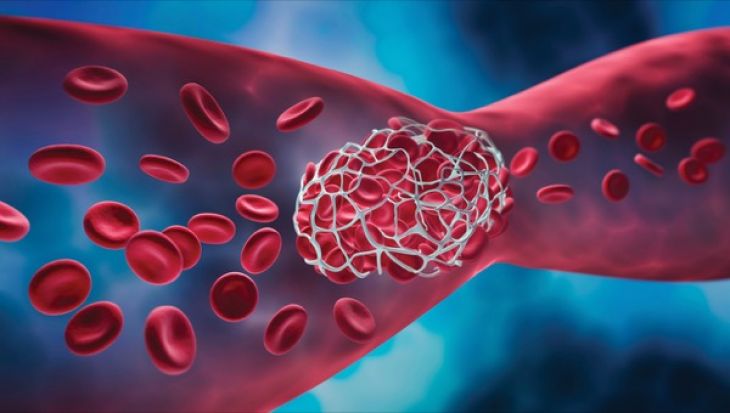
Anticoagulant pharmacotherapy plays a vital role in modern cardiovascular medicine, serving as the cornerstone for preventing and treating thromboembolic disorders such as deep vein thrombosis, pulmonary embolism, atrial fibrillation-related stroke, and mechanical heart valve thrombosis. By targeting specific enzymes within the coagulation cascade, these medications effectively dampen thrombin generation and fibrin clot formation. However, the therapeutic benefit of reducing thrombotic risk inherently carries the ongoing risk of major or life-threatening hemorrhage. In scenarios involving acute major bleeding—such as intracranial hemorrhage, severe gastrointestinal bleeding, or emergency surgical interventions—the anticoagulant effect must be rapidly and safely neutralized. Anticoagulant reversal agents represent specialized pharmacological tools designed to bind circulating anticoagulant molecules, restore physiological coagulation factor levels, or act as molecular decoys, thereby re-establishing effective hemostasis.
Mechanisms of Direct Thrombin and Factor Xa Inhibitor Reversal
The widespread adoption of Direct Oral Anticoagulants (DOACs), which selectively inhibit specific steps in the coagulation cascade, led to the development of targeted, highly specific antidote molecules. For dabigatran, a direct thrombin inhibitor, idarucizumab serves as a humanized monoclonal antibody fragment designed for rapid neutralization. Idarucizumab binds circulating free and thrombin-bound dabigatran with an affinity that is approximately 350 times higher than that of dabigatran for human thrombin. Upon intravenous administration, it immediately sequesters the anticoagulant, clearing it from the intravascular space and restoring normal thrombin activity within minutes. Conversely, direct Factor Xa inhibitors (such as apixaban and rivaroxaban) are reversed using andexanet alfa, a recombinant modified human Factor Xa decoy protein. Andexanet alfa lacks catalytic activity and membrane-binding capability, but retains a high affinity for Factor Xa inhibitors, acting as a molecular sponge that binds and sequesters the drug, allowing native Factor Xa to resume its role in the prothrombinase complex.
Reversal Mechanisms for Vitamin K Antagonists and Heparins
Traditional anticoagulant therapies, including vitamin K antagonists (such as warfarin) and heparin formulations, rely on different physiological reversal pathways. Vitamin K antagonists function by inhibiting the hepatic gamma-carboxylation of vitamin K-dependent clotting factors (Factors II, VII, IX, and X). Reversing warfarin-induced anticoagulation requires either supplying exogenous vitamin K1 (phytonadione) to stimulate endogenous factor synthesis or directly replacing depleted clotting factors using plasma products or Prothrombin Complex Concentrates (PCC). Four-factor Prothrombin Complex Concentrates contain concentrated levels of Factors II, VII, IX, and X, along with regulatory proteins C and S, providing rapid, low-volume restoration of normal factor activity. For unfractionated heparin and low-molecular-weight heparin, protamine sulfate acts as a specific neutralizing agent. Protamine, a strongly basic polycationic peptide, binds to the strongly acidic polyanionic heparin molecules to form a stable, inactive salt aggregate, completely neutralizing heparin's anti-thrombin and anti-Factor Xa activity.
Indications for Emergency Reversal and Clinical Evaluation Protocols
Determining when to administer a specific anticoagulant reversal agent requires a rapid, systematic clinical evaluation balancing the severity of hemorrhage against the patient's underlying thrombotic risk. Emergency reversal is strictly indicated in cases of life-threatening active bleeding (such as intracranial, intraspinal, or massive retroperitoneal hemorrhage), severe un-controlled gastrointestinal bleeding causing hemodynamic instability, or when an emergency surgical procedure cannot be delayed. Diagnostic evaluation includes obtaining a detailed medication history (identifying the specific agent, dose, and time of last ingestion), assessing baseline renal and hepatic function, and performing immediate laboratory coagulation panels. Standard tests like Prothrombin Time (PT) and International Normalized Ratio (INR) accurately reflect warfarin activity, while activated Partial Thromboplastin Time (aPTT) monitors unfractionated heparin. For DOACs, specific assays—such as dilute thrombin time for dabigatran or anti-Factor Xa activity assays calibrated for specific inhibitors—provide quantitative estimates of residual drug levels.
Complications, Rebound Anticoagulation, and Prothrombotic Risks
While anticoagulant reversal agents are essential life-saving therapies, their clinical use carries inherent risks that demand careful monitoring. A major concern is the risk of rebound anticoagulation. Because certain reversal agents, such as andexanet alfa, have a shorter elimination half-life than the anticoagulant drug they neutralize, free anticoagulant molecules can redistribute from tissue stores back into the vascular space as the antidote clears, leading to a recurrence of bleeding. Furthermore, rapidly neutralizing systemic anticoagulation leaves the patient vulnerable to their baseline thromboembolic risks, such as stroke, deep vein thrombosis, or systemic embolism. In addition, administering concentrated clotting factors like Prothrombin Complex Concentrates or decoy molecules can induce a transient hypercoagulable state, increasing the risk of venous thromboembolism or arterial thrombosis. Clinicians must closely monitor coagulation parameter trends and continuously evaluate the optimal window for safely re-initiating baseline anticoagulant therapy once bleeding is controlled.
Multidisciplinary Care and Re-initiation Protocols
Managing acute bleeding emergencies requires close coordination among emergency physicians, hematologists, cardiologists, surgeons, and critical care specialists. Initial management prioritizes supportive measures alongside targeted antidote administration, including local surgical or endoscopic hemostasis, aggressive fluid resuscitation, and blood product support. Following successful reversal and bleeding control, the medical team faces the complex task of determining when to restart anticoagulation. Resuming therapy requires balancing the risk of recurrent hemorrhage against the threat of catastrophic thromboembolism. Clinical guidelines recommend conducting daily risk assessments, utilizing mechanical thromboprophylaxis (such as sequential compression devices) in the interim, and re-introducing lower-dose oral or parenteral anticoagulants as soon as clinical stability, endoscopic confirmation, or neuroimaging proves that active bleeding has completely resolved.
Conclusion
Anticoagulant reversal agents represent a critical advancement in emergency hematology and cardiovascular care, enabling targeted management of major bleeding complications. Understanding how agents like idarucizumab, andexanet alfa, Prothrombin Complex Concentrates, and protamine sulfate neutralize specific direct thrombin, Factor Xa, vitamin K, and heparin pathways explains the physiological mechanics of rapid hemostatic restoration. Utilizing precise laboratory monitoring, rapid diagnostic protocols, and careful clinical risk assessment allows medical teams to intervene effectively during life-threatening hemorrhages. Through controlled antidote administration, vigilant monitoring for rebound anticoagulation, and structured protocol-driven re-initiation of therapy, healthcare professionals can successfully resolve acute bleedingevents while protecting long-term cardiovascular and thromboembolic safety.