How Could Wearable Biosensors Help Detect Health Problems Earlier?
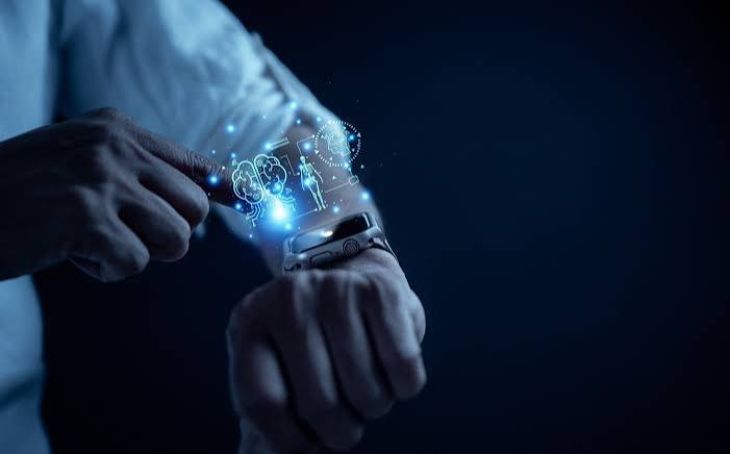
What if a small device on your wrist could notice changes in your body before you realize something is wrong? This is one of the ideas behind wearable biosensors. These technologies are being developed to continuously collect information about different body functions and may help identify unusual changes earlier.
Wearable biosensors are becoming an important area of health research. They may eventually help doctors monitor certain conditions, track changes over time, and identify warning signs that need further medical evaluation.
What Are Wearable Biosensors?
Wearable biosensors are small electronic devices that can be worn on or attached to the body. They use sensors to collect biological or physical information.
Some wearable devices can measure things such as:
-
Heart rate
-
Body temperature
-
Blood oxygen levels
-
Movement and activity
-
Sleep patterns
-
Breathing patterns
-
Electrical activity of the heart
More advanced biosensors are being researched to detect substances in sweat, skin fluid, or other body fluids.
The collected information can be processed by the device or sent to a smartphone, computer, or healthcare system for analysis.
How Could They Help Detect Health Problems?
Many health conditions cause changes in the body before noticeable symptoms appear. Wearable biosensors could continuously monitor certain signals and identify changes from a person's usual pattern.
For example, a device might notice an unusual change in heart rate or activity level. This does not automatically mean a person has a disease, but it could indicate that further evaluation is needed.
Continuous monitoring can also provide information that a doctor may not get from a single measurement during an office visit.
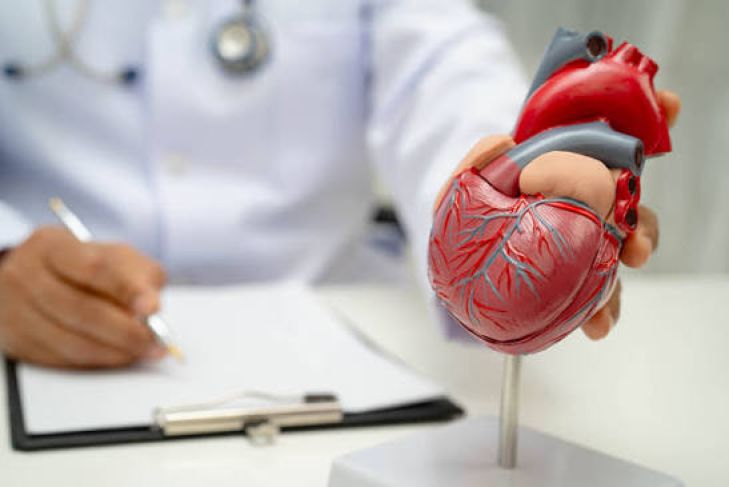
Could Wearable Biosensors Help With Heart Health?
Heart health is one of the most active areas of wearable technology research.
Some wearable devices can monitor heart rate and detect certain irregular heart rhythms. Devices with electrocardiogram features can record electrical activity of the heart for a short period.
This information may help identify possible rhythm problems that could otherwise be difficult to capture during a routine appointment.
However, wearable readings are not always accurate and should not be treated as a diagnosis on their own.
Can They Help Monitor Diabetes?
Researchers are also exploring wearable biosensors for diabetes management.
Continuous glucose monitoring systems already use small sensors to measure glucose levels in the fluid beneath the skin. These systems can provide repeated glucose readings throughout the day.
Other researchers are investigating non-invasive or minimally invasive sensors that could measure health-related substances without traditional blood testing.
These technologies could make health monitoring more convenient, although their accuracy and usefulness depend on the specific device and medical application.
How Could They Help With Stress and Sleep?
Wearable devices can collect information about sleep duration, movement, heart rate, and other signals that may provide clues about sleep patterns.
Some devices also estimate stress using changes in measures such as heart rate or heart-rate variability.
These measurements can help people understand patterns in their daily routines. However, a wearable device cannot determine the exact cause of stress, poor sleep, or other symptoms by itself.
Could Wearable Biosensors Detect Cancer?
Researchers are exploring biosensors that may eventually detect biological substances associated with certain diseases, including cancer.
Some experimental biosensors are being designed to detect specific molecules or biomarkers in body fluids such as sweat or blood.
This area is still developing. Most consumer wearable devices cannot diagnose cancer, and experimental biosensors require extensive testing before they can become routine medical tools.
What Are the Benefits of Continuous Monitoring?
One major advantage of wearable biosensors is that they can collect information over long periods.
Instead of relying only on occasional measurements, researchers and healthcare professionals may be able to see how certain body signals change throughout the day.
Continuous data may help identify patterns, monitor treatment responses, or provide additional information when symptoms come and go.
Wearable technology can also encourage people to pay more attention to activity, sleep, and other aspects of their health.
What Are the Limitations?
Wearable biosensors are not perfect.
Measurements can sometimes be affected by movement, poor sensor contact, device limitations, or other factors. Some devices may also produce false alerts.
Privacy is another important concern because wearable devices can collect large amounts of personal health information.
For these reasons, wearable readings should be viewed as useful information rather than a replacement for professional medical evaluation.
What Could the Future of Wearable Biosensors Look Like?
Future wearable biosensors may become smaller, more comfortable, and more accurate. Researchers are exploring flexible sensors that can be placed directly on the skin and devices that can continuously measure different biological signals.
Artificial intelligence may also help analyze large amounts of sensor data and identify unusual patterns.
If these technologies are properly validated, they could become an additional tool for earlier detection and long-term health monitoring.
FAQs
Can wearable biosensors diagnose diseases?
Most consumer wearable devices cannot diagnose diseases. They can collect health information that may indicate a possible change requiring further evaluation.
Can smartwatches detect heart problems?
Some smartwatches can monitor heart rate and, in certain models, record an ECG. They may detect signs of some irregular rhythms, but professional medical evaluation is still important.
Are wearable health sensors accurate?
Accuracy varies between devices and measurements. Factors such as movement, sensor placement, and device design can affect readings.
Can wearable biosensors detect cancer?
Experimental biosensors are being studied for cancer-related biomarkers, but ordinary wearable devices cannot currently diagnose cancer.
Should I rely on a wearable device for medical decisions?
No. Wearable readings can provide useful information, but symptoms or unusual readings should be discussed with a qualified healthcare professional when appropriate.
Conclusion
Wearable biosensors could change the way health information is collected and monitored. By continuously measuring signals such as heart rate, activity, sleep, glucose, and other biological markers, these technologies may help identify unusual changes earlier.