Why Vitamin E-Rich Foods Matter for Skin and Cellular Health
Vitamin E is an important fat-soluble vitamin that plays a role in protecting cells from oxidative damage and supporting normal immune function. It is best known for its antioxidant activity and its contribution to maintaining healthy cell membranes.
The term vitamin E refers to a group of compounds, with alpha-tocopherol being the form that is maintained in the body and used to meet human nutritional requirements. Vitamin E occurs naturally in many foods, particularly nuts, seeds, vegetable oils, and some green vegetables.
Because vitamin E is fat-soluble, the body stores some of it, meaning regular excessive supplementation is generally unnecessary for healthy people. Getting vitamin E from a varied diet also provides other nutrients, healthy fats, fibre, and beneficial plant compounds.
Vitamin E is often associated with skin health, but its role extends throughout the body. Understanding how vitamin E works and which foods provide it can help support a balanced approach to nutrition.
What Is Vitamin E?
Vitamin E is a fat-soluble nutrient with antioxidant properties. Antioxidants help protect cells from damage caused by reactive molecules produced naturally during metabolism and in response to environmental factors.
Vitamin E is incorporated into cell membranes, where it helps protect lipids from oxidation. This is important because cell membranes contain fats that can be vulnerable to oxidative damage.
The body also uses vitamin E as part of its broader antioxidant defense system, which includes other vitamins, minerals, enzymes, and plant compounds.
While vitamin E is essential, consuming very large amounts does not necessarily provide additional benefits. For most people, a varied diet containing vitamin E-rich foods is an appropriate way to meet nutritional requirements.
How Vitamin E Supports Cellular Health
Every cell in the body has a membrane made partly from lipids. These membranes help control what enters and leaves cells and allow cells to communicate with their surroundings.
Vitamin E helps protect these lipid structures from oxidative damage. This is one reason adequate vitamin E is important for normal cellular function.
Vitamin E also interacts with other components of the body's antioxidant network. For example, other nutrients can help regenerate or support antioxidant activity after reactive molecules have been neutralized.
A balanced diet that includes vegetables, fruits, nuts, seeds, whole grains, and healthy oils provides a wide range of nutrients that work together to support cellular health.
Rather than focusing on one antioxidant, dietary variety is a more practical way to support the body's natural protective systems.
Vitamin E and Healthy Skin
Vitamin E contributes to normal skin health because skin cells and their membranes contain lipids that can be affected by oxidative processes.
Eating foods containing vitamin E can help provide the nutrient needed for normal physiological functions. Nuts, seeds, vegetable oils, and certain vegetables are particularly useful sources.
However, vitamin E should not be viewed as a guaranteed solution for wrinkles, acne, scars, or other skin conditions. Skin appearance is influenced by genetics, age, sun exposure, hydration, diet, sleep, and many other factors.
Topical vitamin E products are also marketed for skin care, but their effects can vary and some people may experience irritation or allergic reactions.
For overall skin health, adequate nutrition, sun protection, hydration, and appropriate skin care are more important than relying on a single nutrient.
Best Vitamin E-Rich Foods
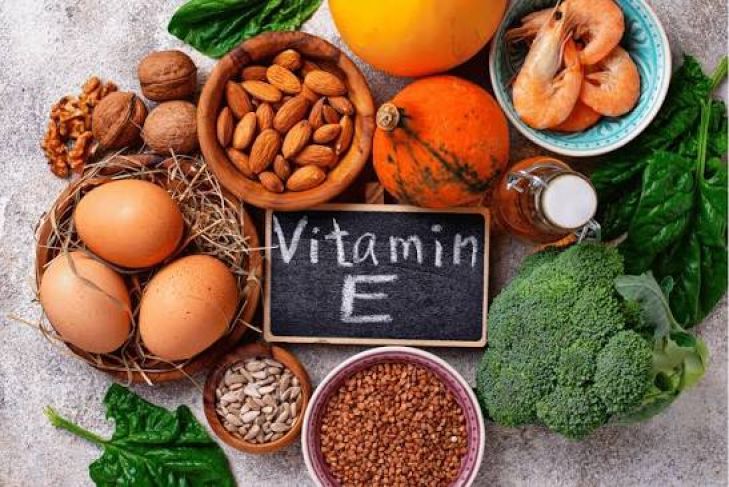
Vitamin E is found in a variety of foods, particularly plant-based sources.
Good sources include:
- Almonds
- Sunflower seeds
- Hazelnuts
- Peanuts
- Sunflower oil
- Wheat germ oil
- Avocados
- Spinach
- Broccoli
- Other vegetable oils
- Fortified foods
Nuts and seeds can provide substantial amounts of vitamin E while also supplying healthy unsaturated fats, protein, magnesium, and other nutrients.
Vegetables such as spinach and broccoli contribute smaller amounts along with fibre, folate, vitamin C, and other beneficial compounds.
Adding a moderate serving of nuts or seeds to meals, using appropriate vegetable oils, and including green vegetables can help increase dietary vitamin E naturally.
Vitamin E and Immune Function
Vitamin E also contributes to normal immune function. Immune cells depend on healthy cell membranes and antioxidant protection to carry out their roles.
Adequate vitamin E intake helps support these normal physiological processes. However, more vitamin E does not necessarily mean stronger immunity.
Immune health depends on many factors, including adequate protein, vitamins and minerals, sleep, physical activity, stress management, and overall diet quality.
A varied diet containing fruits, vegetables, whole grains, legumes, nuts, seeds, and appropriate protein sources is therefore a better strategy than relying on a high-dose vitamin E supplement.
Vitamin E Deficiency
Vitamin E deficiency is uncommon among healthy people who eat a balanced diet. It is more likely to occur in people with certain conditions that interfere with fat absorption or in rare genetic disorders affecting vitamin E metabolism.
Severe deficiency can affect nerves, muscles, and other tissues. Because these symptoms can have many causes, diagnosis should be made by a healthcare professional.
Most people do not need to worry about deficiency if they regularly consume vitamin E-containing foods.
If you have a digestive disorder that affects fat absorption or another condition that may influence vitamin E status, your healthcare professional can advise whether testing or supplementation is appropriate.
Should You Take Vitamin E Supplements?
For most healthy adults, obtaining vitamin E from food is preferable to routinely taking high-dose supplements.
Vitamin E supplements contain concentrated amounts of the nutrient, and high doses can have risks, including an increased tendency to bleed in certain circumstances. Vitamin E can also interact with some medications.
This is particularly important for people taking blood-thinning medicines or those preparing for certain medical procedures.
If you are considering vitamin E supplementation, discuss the appropriate dose and potential interactions with a healthcare professional.
Conclusion
Vitamin E is an important antioxidant nutrient that helps protect cell membranes and supports normal immune and cellular function. It also contributes to maintaining healthy skin as part of overall nutrition.
Almonds, sunflower seeds, peanuts, avocados, vegetable oils, spinach, and broccoli are useful dietary sources of vitamin E.
For most people, a varied diet provides sufficient vitamin E. Focus on nutrient-rich whole foods rather than high-dose supplements, and combine vitamin E-rich foods with a balanced diet to support long-term health.