Why Vitamin B9 Is Essential for Healthy Cells and Red Blood Cell Formation
Vitamin B9, commonly known as folate in its natural food form, is an essential water-soluble B vitamin that supports several important processes in the body. It plays a key role in DNA production, cell division, tissue growth, and the formation of healthy red blood cells. Because the body constantly replaces cells and repairs tissues, an adequate supply of vitamin B9 is important throughout life.
Vitamin B9 is especially important during periods of rapid growth, including pregnancy and early development. Adequate intake before and during early pregnancy helps reduce the risk of neural tube defects in a developing baby. Folate also works alongside vitamin B12 in processes involved in normal blood cell formation.
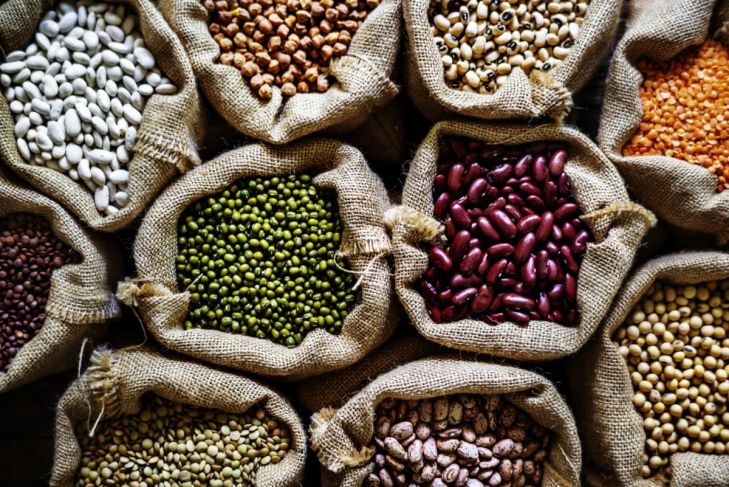
The body cannot produce enough folate on its own, so it must be obtained through food or, when appropriate, supplements. Leafy green vegetables, beans, lentils, citrus fruits, and fortified grains are useful sources. Understanding the role of vitamin B9 can help you make informed dietary choices that support healthy cells and overall well-being.
What Is Vitamin B9?
Vitamin B9 is part of the B-vitamin family and is essential for normal growth and metabolism. The term folate generally refers to forms of vitamin B9 naturally present in foods, while folic acid is the form commonly used in supplements and fortified foods.
One of its most important functions is helping the body produce DNA and RNA, which carry genetic information and support normal cell activity. Vitamin B9 also contributes to the formation of new cells and the processing of certain amino acids.
Since cells divide and renew themselves continuously, adequate folate intake is important for maintaining normal body functions. The body stores some folate, but regular dietary intake helps maintain sufficient levels.
How Vitamin B9 Supports Healthy Cell Growth
Cell division is necessary for growth, tissue repair, and the replacement of old or damaged cells. Vitamin B9 helps provide the materials needed for DNA synthesis, making it particularly important when cells divide rapidly.
Tissues such as the digestive tract and bone marrow depend on regular cell renewal. Adequate folate helps support these normal processes.
When folate intake is insufficient, DNA production and cell division can be affected. This is particularly noticeable in tissues that produce new cells quickly.
Eating a varied diet containing folate-rich foods can help support normal cellular activity and contribute to overall nutritional health.
The Role of Vitamin B9 in Red Blood Cell Formation
Red blood cells transport oxygen from the lungs to tissues throughout the body. To perform this function effectively, the body must continually produce healthy red blood cells.
Vitamin B9 is needed for normal red blood cell development because it supports DNA synthesis and cell division in the bone marrow. When the body does not receive enough folate, red blood cell production can become abnormal.
Severe deficiency may lead to megaloblastic anemia, a condition in which red blood cells are unusually large and do not develop normally. Possible symptoms include fatigue, weakness, pale skin, and shortness of breath.
Vitamin B12 is also essential for normal red blood cell formation. Since deficiencies of folate and vitamin B12 can cause similar types of anemia, medical evaluation may be needed to identify the cause.
Why Vitamin B9 Is Important During Pregnancy
Vitamin B9 is especially important before conception and during early pregnancy because it supports the development of the baby's brain and spinal cord.
Getting enough folic acid before pregnancy and during early pregnancy helps reduce the risk of neural tube defects, which are serious birth defects affecting the developing brain and spine.
People who may become pregnant are commonly advised to take 400 micrograms of folic acid daily, in addition to eating foods containing folate. Individual recommendations can differ based on medical history and risk factors, so a healthcare professional should guide higher-dose supplementation when necessary.
Folate remains important throughout pregnancy because the body supports the growth of maternal tissues and the developing baby.
Best Food Sources of Vitamin B9
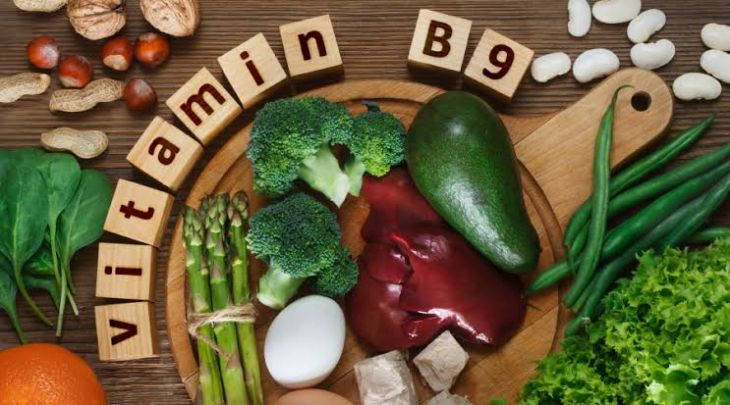
Many everyday foods can contribute to vitamin B9 intake. Including a variety of these foods can help support healthy cell function and blood formation.
Good sources include:
- Spinach and other leafy green vegetables
- Lentils and chickpeas
- Beans and peas
- Asparagus
- Broccoli
- Avocado
- Oranges and other citrus fruits
- Peanuts and some other nuts
- Fortified breads and cereals
Folate can be sensitive to heat and may be lost during prolonged cooking in water. Eating a mixture of raw and cooked vegetables, using appropriate cooking methods, and including legumes regularly can help preserve dietary variety.
Signs and Causes of Vitamin B9 Deficiency
Folate deficiency can develop when dietary intake is too low or when the body has difficulty absorbing or using the vitamin.
Possible symptoms include:
- Persistent tiredness
- Weakness
- Pale skin
- Shortness of breath
- Sore tongue or mouth ulcers
- Difficulty concentrating
- Megaloblastic anemia
Certain medications, heavy alcohol use, digestive disorders, and increased nutritional needs can contribute to deficiency.
These symptoms can have several possible causes and should not be used to diagnose folate deficiency on their own. A healthcare professional may recommend blood tests and further assessment if deficiency is suspected.
Vitamin B9 and Its Relationship With Vitamin B12
Vitamin B9 and vitamin B12 work together in several processes involved in DNA synthesis and red blood cell formation. Both are necessary for normal blood cell development.
A lack of either vitamin can contribute to megaloblastic anemia, but vitamin B12 deficiency can also cause neurological problems.
Taking high doses of folic acid may correct some blood abnormalities caused by vitamin B12 deficiency without treating the underlying neurological damage. For this reason, high-dose supplementation should be used with appropriate medical guidance.
A balanced diet that includes sources of both folate and vitamin B12 can help support normal body function.
Should You Take a Vitamin B9 Supplement?
Many people can obtain sufficient folate through a balanced diet. However, folic acid supplements are recommended for people who may become pregnant because of their role in reducing the risk of neural tube defects.
Supplementation may also be appropriate for people with a diagnosed deficiency, certain medical conditions, or increased nutritional requirements.
The right dose depends on individual circumstances. Avoid taking high doses without professional advice, particularly if you could have a vitamin B12 deficiency or take medications that affect folate metabolism.
If you are considering a supplement, a healthcare professional can help determine whether it is necessary and recommend an appropriate dose.
Conclusion
Vitamin B9 is essential for healthy cell growth, DNA production, and red blood cell formation. It supports normal tissue renewal and plays a particularly important role during pregnancy and early development. Inadequate folate can lead to megaloblastic anemia and other health problems.
Including leafy green vegetables, beans, lentils, citrus fruits, and fortified grains in your diet can help provide this important nutrient. Vitamin B9 also works closely with vitamin B12, making balanced nutrition important for normal blood cell development.
By maintaining adequate folate intake and following professional guidance on supplementation when needed, you can support healthy cells and overall well-being.