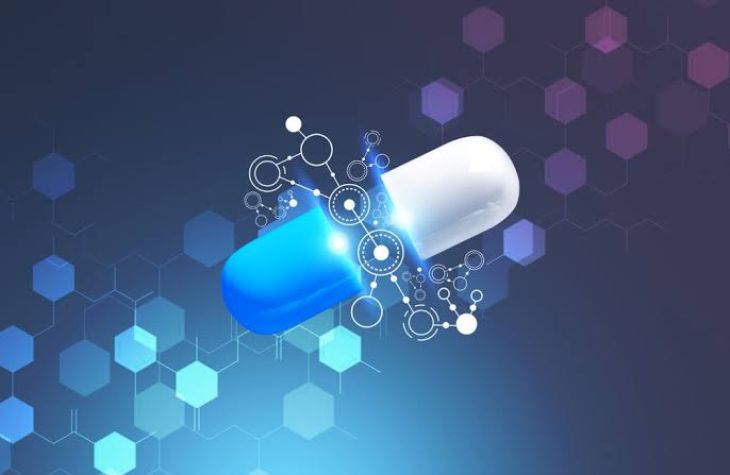
How Could Smart Pills Revolutionize Medicine Delivery Inside the Body?
Imagine taking a pill that could do more than simply release medicine after you swallow it. What if it could deliver a drug at a specific location, release it at the right time, or even collect information from inside the body?
This is the idea behind smart pills. Researchers are developing advanced capsules and ingestible devices that could make medicine delivery more controlled and personalized.
Although many smart pill technologies are still being researched, they could change how certain medicines are delivered and how doctors monitor conditions inside the body.
What Are Smart Pills?
Smart pills are advanced capsules or ingestible devices designed to perform specific tasks inside the digestive system.
Unlike ordinary tablets, some smart pills may contain electronic components, sensors, tiny drug reservoirs, or other specialized technology.
Depending on their design, they may be able to:
-
Release medicine at a specific location
-
Control when a drug is released
-
Monitor conditions inside the digestive system
-
Collect information about the body
-
Communicate information to an external device
Different smart pill technologies are being developed for different medical purposes.
How Could Smart Pills Deliver Medicine More Precisely?
One of the biggest goals is targeted drug delivery.
After a traditional pill is swallowed, the medicine travels through the digestive system and may be absorbed into the bloodstream. Some medicines can affect healthy tissues as well as the area that needs treatment.
A smart pill could potentially be designed to release medicine at a particular location.
For example, researchers are studying systems that can respond to changes in acidity, temperature, pressure, or other conditions inside the digestive tract.
This could allow certain medicines to be released only when the capsule reaches the intended area.
Could Smart Pills Control the Timing of Medicine?
Yes. Some technologies are being developed to control when a medicine is released.
Instead of releasing the entire dose at once, an ingestible device could potentially deliver smaller amounts over a period of time.
Controlled delivery could be useful for medicines that need to remain at a certain level in the body or that work best when delivered gradually.
However, the exact benefits depend on the medicine and the technology being used.
How Could Smart Pills Help With Digestive Diseases?
The digestive system is one of the most promising areas for ingestible technology.
Researchers are studying smart pills for conditions involving different parts of the gastrointestinal tract. A capsule could potentially deliver medicine directly to a specific area of the intestine.
This may be particularly useful for medicines that need to act locally rather than throughout the entire body.
Smart pills could also potentially collect information about conditions inside the digestive tract, giving doctors additional information about how the body is functioning.
Can Smart Pills Monitor the Body?
Some ingestible devices are designed to collect information while traveling through the body.
Sensors may be able to measure factors such as temperature, pressure, acidity, or other biological signals, depending on the device.
The information could potentially be transmitted to an external receiver or stored for later analysis.
This could give researchers and healthcare professionals a different way to study conditions that are difficult to observe from outside the body.
Could Smart Pills Improve Personalized Medicine?
Every person's body can respond differently to medicines. Smart drug delivery systems could eventually make it possible to adjust treatment more precisely.
For example, a system might be designed to release a drug according to a specific biological condition or deliver different amounts at different times.
When combined with other medical technologies, this could contribute to more personalized treatment.
However, personalized drug delivery is still an active area of research, and many advanced applications have not yet become routine medical treatments.
What Are the Benefits of Smart Pills?
Smart pills could offer several potential benefits.
More targeted delivery: Medicine may be released closer to where it is needed.
Controlled release: A drug could potentially be delivered gradually instead of all at once.
Less invasive monitoring: Some information from inside the body could be collected without traditional procedures.
Better treatment control: Doctors may eventually have more ways to control how and when certain medicines are delivered.
What Are the Challenges?
Smart pills also have important challenges.
The device must be safe to swallow and must travel through the body without causing harm. It must also work reliably in a complicated environment where acidity, movement, and digestive fluids can affect its operation.
Researchers also need to consider battery safety, device size, communication, manufacturing, and how the device leaves the body.
Before a new smart pill can be widely used, it needs careful testing to show that it is safe and effective.
FAQs
Are smart pills already available?
Some ingestible medical devices are already used for specific purposes, while many advanced smart pill technologies remain under research.
Can smart pills deliver medicine directly to a specific organ?
Some systems are being designed to release medicines in specific areas, particularly within the digestive tract. However, precise delivery to any desired organ is still technically challenging.
Are smart pills safe?
Safety depends on the specific device and its intended use. Smart pills must undergo appropriate testing to make sure they can safely travel through the body and perform their intended function.
Can smart pills replace injections?
Not generally. They may provide an alternative for certain medicines, but many drugs cannot be effectively delivered through the digestive system.
Can smart pills monitor health conditions?
Some ingestible devices can collect information about conditions inside the body. Their capabilities depend on the sensors and technology included in the device.
Conclusion
Smart pills could offer a new approach to medicine delivery by combining traditional drugs with advanced sensors, controlled-release systems, and other technologies. Instead of simply releasing medicine after being swallowed, future devices may be able to deliver drugs at specific locations or times.