Understanding the Role of Probiotics in Gut Health
The digestive system plays an important role in overall health, and maintaining a healthy gut can support digestion, nutrient absorption, and normal immune function. One group of microorganisms that has received considerable attention for its connection to digestive health is probiotics. These are live microorganisms that, when consumed in adequate amounts, can provide health benefits.
Probiotics are found naturally in some fermented foods and are also available as dietary supplements. Different probiotic strains can have different effects, so they should not all be considered interchangeable.
A healthy gut depends on more than probiotics alone. A diet rich in fibre, vegetables, fruits, whole grains, legumes, and other nutritious foods can help support a diverse gut microbiome. Regular physical activity, adequate sleep, hydration, and appropriate use of medications can also influence digestive well-being.
Understanding what probiotics are and how they fit into a balanced lifestyle can help you make informed choices about gut health.
What Are Probiotics?
Probiotics are live microorganisms that may provide health benefits when consumed in appropriate amounts. They can include certain species of bacteria and yeasts that interact with the microorganisms already living in the digestive tract.
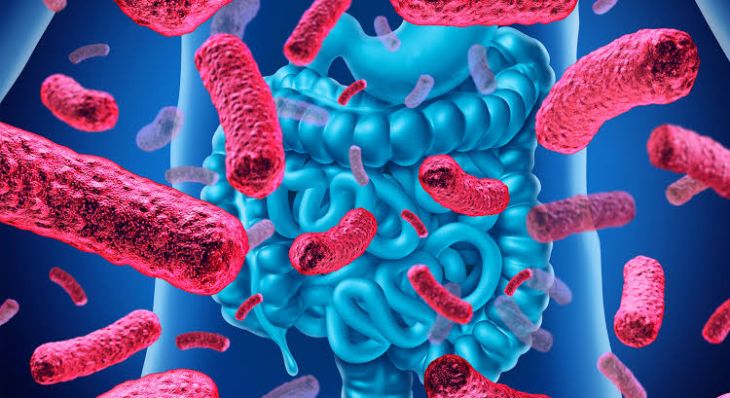
The gut naturally contains a large community of microorganisms, often referred to as the gut microbiome. These microorganisms participate in digestion and other biological processes. Probiotics may influence this microbial environment, although their effects depend on the specific strain, amount consumed, and individual.
Common probiotic groups include Lactobacillus, Bifidobacterium, and certain beneficial yeasts. However, not every product containing these names will have the same effects.
This is why it is useful to look at the specific strain and intended purpose when choosing a probiotic product rather than assuming that every probiotic supplement works in the same way.
How Probiotics May Support Digestion
Certain probiotics may help support normal digestive function by interacting with microorganisms in the gastrointestinal tract. Some specific strains have been studied for their ability to help with particular digestive concerns.
Probiotics may also be useful in certain situations where the normal balance of gut microorganisms has been disrupted. For example, some probiotic strains have been studied in connection with antibiotic-associated diarrhea.
However, probiotic effects can vary significantly. A product that benefits one digestive condition may not necessarily provide the same benefit for another. Results can also differ from person to person.
For everyday gut health, probiotics should be considered alongside a nutritious diet rather than as a replacement for healthy eating. Adequate dietary fibre is particularly important because many beneficial gut microorganisms use certain types of fibre as a source of nourishment.
Probiotic-Rich Foods to Include
You do not necessarily need supplements to include probiotics in your diet. Several fermented foods may contain live microorganisms and can be incorporated into balanced meals.
Examples of probiotic foods include:
- Yogurt containing live cultures
- Kefir
- Certain fermented vegetables
- Traditional fermented foods
- Some fermented soy products
When choosing packaged products, check the label for information about live cultures and added sugar. Some flavored yogurt products, for example, can contain substantial amounts of added sugar.
Adding plain yogurt with fruit, using kefir in smoothies, or including suitable fermented foods with meals can be simple ways to diversify your diet.
The nutritional value of the entire food matters as well. Choosing foods that provide protein, fibre, vitamins, and minerals alongside beneficial microorganisms can make them a useful part of a balanced eating pattern.
Probiotics and the Gut Microbiome
The gut microbiome contains a complex mixture of microorganisms, and maintaining a healthy microbial ecosystem involves more than simply adding probiotics.
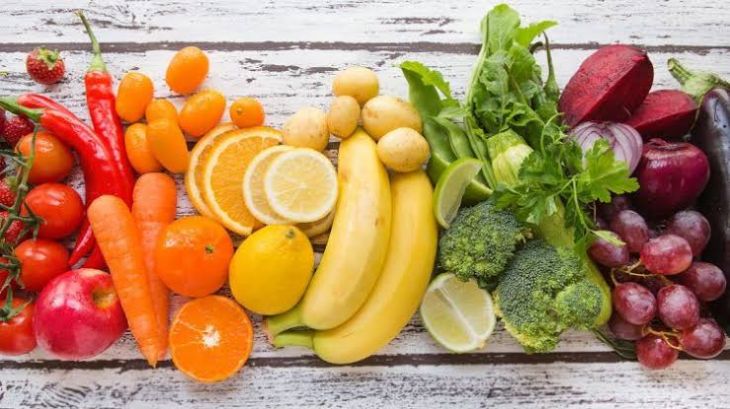
Dietary fibre is particularly important because foods such as vegetables, fruits, whole grains, beans, lentils, nuts, and seeds provide substances that can support beneficial gut microorganisms. These foods can also provide vitamins, minerals, and other nutrients.
Prebiotics are another important part of this picture. They are certain types of dietary components, often fibres, that can be used by beneficial microorganisms. In simple terms, probiotics provide beneficial microorganisms, while prebiotic foods can provide nourishment for microorganisms already present in the gut.
A diverse diet is therefore one of the most practical ways to support a healthy gut environment. Gradually increasing fibre intake and drinking enough fluids can also help the digestive system adjust.
Are Probiotic Supplements Necessary?
Probiotic supplements are widely available, but they are not necessary for everyone. Their potential usefulness depends on the specific strain, dosage, health situation, and reason for taking them.
Some products are marketed with broad claims about digestion or immunity, but scientific evidence is stronger for certain probiotic strains and specific uses than for probiotics as a general solution to every gut problem.
People with serious illnesses or weakened immune systems should speak with a healthcare professional before using probiotic supplements. Anyone experiencing persistent abdominal pain, unexplained weight loss, blood in the stool, prolonged diarrhea, or other concerning digestive symptoms should seek medical evaluation rather than relying on supplements.
For most people, a balanced diet containing fibre-rich plant foods and fermented foods, when tolerated, is a sensible foundation for supporting gut health.
Conclusion
Probiotics can play a useful role in gut health, particularly when specific strains are used for appropriate purposes. Fermented foods can provide probiotics while also contributing other nutrients to the diet.
For long-term digestive wellness, focus on a varied, fibre-rich diet, adequate hydration, regular activity, good sleep, and healthy lifestyle habits. Probiotics can complement these habits but should not replace them.