How Medicines for High Cholesterol Help Protect the Cardiovascular System
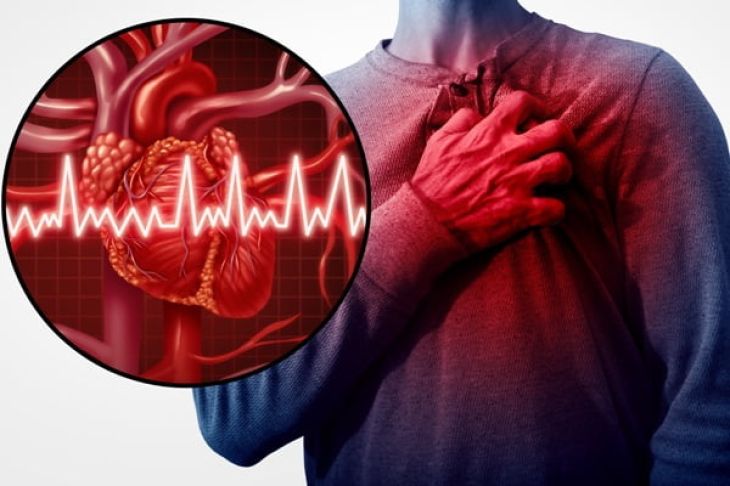
The human cardiovascular system relies on a continuous, unobstructed flow of oxygenated blood through a vast network of arteries to sustain every vital organ. However, when circulating lipid levels become pathologically elevated—a condition known clinically as dyslipidemia—fats and cholesterol begin to accumulate within the innermost lining of arterial walls. This insidious buildup triggers a chronic inflammatory response, leading to the formation of fibro-fatty lesions called atherosclerotic plaques. Over time, these plaques narrow the arterial lumen, restricting blood flow and drastically increasing the risk of catastrophic cardiovascular events such as myocardial infarction and ischemic stroke. To combat this widespread pathological process, modern preventive cardiology utilizes a powerful arsenal of lipid-lowering pharmacotherapies. These specialized medicines are designed not merely to correct numbers on a laboratory report, but to fundamentally alter the natural history of atherosclerosis, preserve vascular integrity, and safeguard the cardiovascular system against premature damage.
The Central Role of Low-Density Lipoprotein Cholesterol
To understand how cholesterol-lowering medications protect the heart, one must first examine the specific role that low-density lipoprotein cholesterol plays in the initiation and progression of vascular disease. Often termed "bad" cholesterol, low-density lipoprotein particles transport cholesterol from the liver to peripheral tissues. When circulating concentrations exceed normal physiological thresholds, these small particles infiltrate the subendothelial space of the arterial wall, where they become trapped and undergo oxidation. This oxidative modification triggers a localized immune response, recruiting white blood cells called monocytes that transform into macrophages and engulf the modified lipids, eventually becoming foam cells. The accumulation of these foam cells forms the core of the growing atherosclerotic plaque. Consequently, lowering circulating low-density lipoprotein cholesterol is the primary therapeutic target for reducing cardiovascular risk, halting plaque growth, and preventing the structural remodeling that compromises arterial elasticity.
Statins: The Cornerstone of Lipid-Lowering Therapy
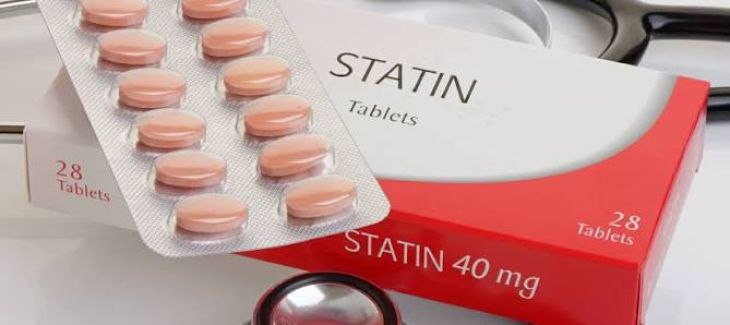
Statins, or HMG-CoA reductase inhibitors, represent the undisputed cornerstone of modern cholesterol-lowering pharmacotherapy and the most extensively studied class of cardiovascular drugs in medical history. Statins operate by competitively inhibiting hydroxymethylglutaryl-coenzyme A reductase, the rate-limiting enzyme in the hepatic mevalonate pathway responsible for endogenous cholesterol synthesis inside liver cells. By blocking this crucial enzymatic step, statins significantly reduce intracellular cholesterol production within hepatocytes. In response to this intracellular shortage, the liver cells upregulate the expression of low-density lipoprotein receptors on their cellular surfaces, pulling vast numbers of circulating low-density lipoprotein particles out of the bloodstream and clearing them from systemic circulation. Beyond simply reducing circulating lipid levels, statins exert powerful pleiotropic effects, including improving endothelial function, decreasing systemic inflammation, and stabilizing vulnerable plaques to prevent rupture.
Plaque Stabilization and Prevention of Acute Events
One of the most remarkable cardiovascular protective mechanisms of modern lipid-lowering therapy involves the stabilization of existing atherosclerotic plaques, shifting them from unstable, dangerous ticking time bombs into safe, quiescent lesions. Unstable plaques typically feature a large lipid core covered by a dangerously thin fibrous cap heavily infiltrated by inflammatory cells and metalloproteinases that degrade structural collagen. When these fragile caps rupture, they expose thrombogenic material to the bloodstream, instantly precipitating an acute coronary thrombus that causes a heart attack. Intensive statin therapy aggressively strips inflammatory cells from these plaques, reduces the size of the lipid pool, and stimulates the deposition of thick, protective collagen caps. This structural reinforcement prevents plaque rupture and significantly lowers the incidence of acute coronary syndromes, demonstrating that the clinical benefits of cholesterol-lowering drugs extend far beyond mere plaque regression.
Non-Statin Pharmacotherapies: Ezetimibe and PCSK9 Inhibitors
While statins remain the foundational therapy for managing dyslipidemia, modern cardiology employs potent non-statin medications either as adjuncts for high-risk patients or as primary alternatives for individuals who cannot tolerate statins. Ezetimibe works through a distinct mechanism by selectively targeting the Niemann-Pick C1-Like 1 protein localized in the brush border of the small intestine. By inhibiting intestinal absorption of both dietary and biliary cholesterol without altering the absorption of fat-soluble vitamins, ezetimibe significantly reduces the delivery of cholesterol to the liver, working synergistically with statins to achieve lower target lipid levels. For patients with severe genetic hypercholesterolemia or extreme cardiovascular risk, proprotein convertase subtilisin/kexin type 9 inhibitors represent a revolutionary class of injectable monoclonal antibodies. These agents bind to and neutralize the PCSK9 protein, preventing the degradation of hepatic low-density lipoprotein receptors and enabling the liver to clear monumental quantities of cholesterol from the bloodstream.
Managing Triglycerides and High-Density Lipoproteins
In addition to targeting low-density lipoprotein cholesterol, comprehensive cardiovascular protection requires managing other lipid abnormalities, particularly elevated triglycerides and low levels of high-density lipoprotein cholesterol. High triglyceride concentrations contribute independently to residual cardiovascular risk by promoting the formation of atherogenic remnant particles and driving systemic inflammation. When lifestyle modifications prove insufficient, clinicians utilize specific therapeutic agents such as high-dose omega-3 fatty acids, particularly prescription-grade eicosapentaenoic acid, alongside fibrates to lower circulating triglycerides and reduce ischemic events. Meanwhile, while raising "good" high-density lipoprotein cholesterol has proven challenging as a direct therapeutic target, modern pharmacological strategies focus primarily on optimizing the entire lipid profile to ensure that overall vascular health is maintained and microvascular perfusion is preserved.
Clinical Trial Evidence and Long-Term Cardiovascular Outcomes
The monumental protective efficacy of cholesterol-lowering medications is supported by decades of robust, large-scale randomized clinical trials involving hundreds of thousands of patients across diverse risk categories. These landmark trials have consistently demonstrated that aggressive, sustained reduction of low-density lipoprotein cholesterol translates directly into significant, measurable reductions in major adverse cardiovascular events, including fatal and non-fatal myocardial infarctions, ischemic strokes, coronary revascularization procedures, and all-cause mortality. Furthermore, clinical data confirms the fundamental principle of modern cardiology that "lower is better," establishing that patients who achieve the most profound reductions in low-density lipoprotein levels experience the greatest long-term cardiovascular protection. This overwhelming body of evidence has reshaped international clinical practice guidelines, prompting physicians to initiate cholesterol-lowering therapy earlier and maintain stricter therapeutic targets for high-risk individuals.
Safety Profiles, Monitoring, and Individualized Care
While cholesterol-lowering medications are remarkably safe and well-tolerated by the vast majority of patients, clinicians maintain vigilant oversight to monitor potential adverse effects and ensure optimal therapeutic adherence. Statins, for example, are occasionally associated with mild statin-associated muscle symptoms, ranging from generalized aching to rare instances of severe myopathy or rhabdomyolysis, though true enzymatic toxicity is uncommon. Routine clinical monitoring involves assessing baseline hepatic function and lipid panels, while tailoring medication selections and dosages to each patient's individual physiological profile, comorbidities, and renal function. Through personalized pharmacotherapy, patient education, and a strong collaborative partnership between healthcare providers and patients, modern lipid-lowering management successfully maximizes cardiovascular protection while minimizing side effects, empowering individuals to live longer, healthier lives.
Conclusion
Medicines for high cholesterol play an indispensable, life-saving role in modern cardiovascular medicine by actively halting the progression of atherosclerosis, lowering low-density lipoprotein cholesterol, and stabilizing vulnerable plaques to prevent acute heart attacks and strokes. By examining how statins inhibit hepatic cholesterol synthesis, exploring the synergistic benefits of non-statin agents like ezetimibe and PCSK9 inhibitors, and recognizing the robust clinical trial evidence supporting long-term risk reduction, the profound medical value of these therapies becomes clear. Through precise pharmacological management and individualized risk assessment, healthcare providers can protect the cardiovascular system, alter disease trajectories, and significantly enhance the longevity and well-being of patients worldwide.