Understanding Coronary Microvascular Disease and Its Symptoms
The human heart is an exceptional muscular organ that demands a constant, highly regulated supply of oxygenated blood to sustain its continuous pumping activity. This vital perfusion is delivered primarily by the epicardial coronary arteries, which course across the surface of the heart before branching into progressively smaller arterioles and an intricate, dense network of microscopic capillaries. While cardiologists traditionally focused their attention on these larger surface vessels, contemporary cardiovascular science recognizes that a massive proportion of total coronary vascular resistance and blood flow regulation occurs within the microscopic vessels measuring less than five hundred micrometers in diameter. These tiny resistance vessels and capillaries maintain a dynamic, highly responsive environment that automatically adjusts blood flow to match the metabolic demands of the heart muscle during rest and vigorous physical exertion. However, when structural or functional abnormalities impair these delicate microscopic pathways, individuals develop a complex condition known as coronary microvascular disease.
Pathophysiology: Endothelial Dysfunction and Microvascular Spasm
To comprehend how coronary microvascular disease disrupts cardiac health, one must examine the intricate biological mechanisms governing the microcirculation. The inner lining of these tiny vessels consists of a delicate monolayer of endothelial cells that produce vital regulatory molecules, most notably nitric oxide, which commands the surrounding smooth muscle cells to relax and dilate the vascular lumen. In coronary microvascular disease, this delicate endothelial layer suffers from chronic dysfunction, often driven by systemic metabolic risk factors such as hypertension, dyslipidemia, insulin resistance, and systemic inflammation. This endothelial injury severely compromises nitric oxide production, leaving the microvessels unable to dilate appropriately when myocardial oxygen demand surges. Concurrently, these microscopic vessels are prone to abnormal vasoconstrictive spasms and structural remodeling, including medial hypertrophy and capillary rarefaction, which collectively restrict blood flow and create significant resistance within the deep myocardial tissue.
Clinical Symptom Presentation: Microvascular Angina and Atypical Pain
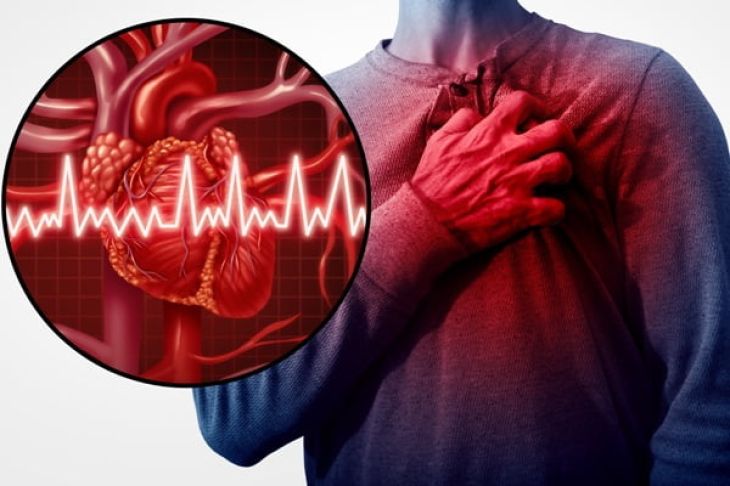
The functional consequence of this restricted microcirculatory blood flow is a distinct form of cardiac chest pain known as microvascular angina, historically referred to as cardiac syndrome X. Unlike classic obstructive coronary artery disease—where a single blocked major artery triggers predictable chest discomfort during heavy exertion—coronary microvascular disease presents with a more complex and frequently atypical symptom profile. Patients commonly report recurrent episodes of sub-sternal chest pain, pressure, tightness, or burning sensations. However, these ischemic symptoms frequently manifest during routine daily activities, emotional stress, or even completely at rest, rather than solely during strenuous exercise. Furthermore, individuals affected by this condition—particularly women—frequently experience unusual associated symptoms, including severe shortness of breath, profound fatigue, sleep disturbances, palpitations, and discomfort radiating into the jaw, neck, or back, which can make clinical recognition challenging.
Diagnostic Challenges and the Paradox of Clean Angiograms
Diagnosing coronary microvascular disease historically presented immense clinical frustration for both physicians and patients due to a phenomenon known as the clean angiogram paradox. When patients suffering from persistent, debilitating chest pain undergo traditional invasive coronary angiography, cardiologists frequently discover that their large epicardial coronary arteries are entirely smooth, patent, and free of obstructive atherosclerotic plaques. In the past, these patients were incorrectly assured that their hearts were healthy, leaving their chronic symptoms unexplained and untreated. Modern cardiology has resolved this paradox by recognizing that standard angiography possesses a resolution limit that only visualizes large surface vessels, remaining completely blind to structural and functional abnormalities occurring within the microscopic arterioles and capillaries branching deep within the heart wall.
Advanced Diagnostic Testing and Functional Assessment
Overcoming the diagnostic limitations of standard angiography requires specialized clinical tests designed to evaluate microvascular function directly.
-
Invasive Coronary Vasoreactivity Testing: During an advanced cardiac catheterization, cardiologists can inject pharmacological agents like acetylcholine or adenosine directly into the coronary arteries to measure coronary flow reserve and assess whether the microvessels dilate or constrict abnormally.
-
Non-Invasive Imaging Modalities: Non-invasive assessments include cardiac magnetic resonance imaging, positron emission tomography scans, and stress echocardiography equipped with myocardial perfusion imaging. These advanced imaging techniques quantify myocardial blood flow and highlight regional perfusion defects during stress, confirming that ischemia is present despite the absence of obstructive blockages in the major epicardial arteries.
Demographic Vulnerabilities and Risk Factors
Coronary microvascular disease exhibits distinct demographic patterns, disproportionately affecting specific patient populations who have historically faced diagnostic delays. Research demonstrates that the condition is significantly more prevalent in women, particularly those who are perimenopausal or postmenopausal. The sharp decline in endogenous estrogen levels following menopause removes a crucial protective factor that normally supports endothelial health, nitric oxide synthesis, and vascular tone. Additionally, the disorder is heavily intertwined with traditional metabolic risk factors, including chronic hypertension, sedentary lifestyle, obesity, diabetes mellitus, and chronic systemic inflammatory disorders, all of which accelerate microvascular endothelial injury and structural vessel stiffening over time.
Therapeutic Strategies and Pharmacological Management
Managing coronary microvascular disease requires a specialized therapeutic approach that differs significantly from the surgical interventions used to treat obstructive plaque disease. Because the pathology resides within microscopic vessels too small for stents or bypass grafts, medical management focuses on optimizing endothelial function, controlling vascular tone, and relieving ischemia. Physicians frequently prescribe medications that target autonomic and vascular pathways, including beta-blockers and non-dihydropyridine calcium channel blockers to reduce myocardial oxygen demand and prevent microvascular spasms. Furthermore, angiotensin-converting enzyme inhibitors or angiotensin receptor blockers are utilized to improve endothelial nitric oxide availability and reverse vascular remodeling, while statins and aggressive management of coexisting metabolic risk factors help halt further microvascular injury.
Conclusion
Coronary microvascular disease represents a critical and frequently under-recognized form of ischemic heart disease characterized by structural and functional abnormalities within the heart's microscopic arterioles and capillaries. By examining how endothelial dysfunction and microvascular spasm restrict blood flow despite clean epicardial arteries, understanding the atypical presentation of microvascular angina, and recognizing the diagnostic value of advanced functional testing, the clinical reality of this condition becomes clear. Through targeted pharmacological therapies, rigorous risk factor modification, and specialized cardiovascular management, healthcare providers can alleviate debilitating symptoms, improve myocardial perfusion, and enhance the overall quality of life for affected patients.