How Is Liquid Biopsy Research Exploring Cancer Monitoring Without Traditional Surgery?
What if doctors could learn important information about a cancer from a simple blood sample? This idea is at the center of liquid biopsy research. Unlike a traditional tissue biopsy, which removes a piece of tissue from the body, a liquid biopsy looks for cancer-related material that may be present in body fluids, especially blood.
Researchers are studying liquid biopsies as a way to monitor cancer, understand how tumors change, and potentially detect signs of treatment response or recurrence.
What Is a Liquid Biopsy?
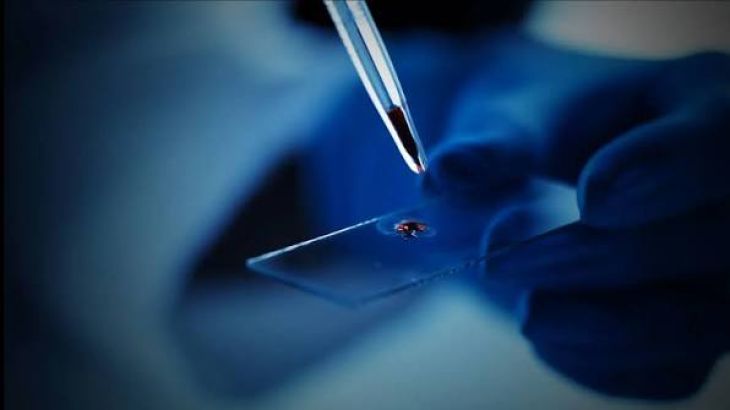
A liquid biopsy is a test that examines biological material found in a body fluid. Blood is the most commonly studied sample.
Cancer cells can release tiny pieces of genetic material and other substances into the bloodstream. These may include circulating tumor DNA, often called ctDNA, and sometimes intact tumor cells known as circulating tumor cells.
Researchers can analyze these materials to look for genetic changes or other characteristics associated with cancer.
How Is a Liquid Biopsy Different From a Traditional Biopsy?
A traditional biopsy involves removing a tissue sample from a suspected tumor. Doctors then examine the tissue under a microscope and may perform additional molecular tests.
Liquid biopsy does not usually require removing tumor tissue. A blood sample can be collected with a standard blood draw.
However, liquid biopsy does not completely replace tissue biopsy. Tissue samples can provide important information about the structure and characteristics of a tumor that may not be available from a blood sample.
How Could Liquid Biopsies Help Monitor Cancer?
One major area of research is cancer monitoring.
Tumors can change over time. Cancer cells may develop new genetic changes that affect how they grow or respond to treatment.
By repeatedly analyzing blood samples, researchers may be able to track changes in tumor-related DNA over time. This could provide information about whether cancer-related signals are increasing, decreasing, or changing.
This type of monitoring could eventually give doctors another way to understand how a cancer is behaving.
Could Liquid Biopsies Help Detect Cancer Recurrence?
Researchers are studying whether liquid biopsies can identify tiny amounts of cancer-related DNA after treatment.
If ctDNA or other tumor-related signals are detected after treatment, it may indicate that cancer cells remain in the body. This is sometimes called minimal residual disease.
However, this area is still being studied for many cancers. A negative liquid biopsy does not always prove that no cancer cells remain because the amount of tumor DNA in the blood can be extremely small.
Can Liquid Biopsies Help Guide Treatment?
Cancer treatment is becoming increasingly personalized. Different tumors can have different genetic changes, even when they develop in the same organ.
Liquid biopsy research may allow doctors to repeatedly examine tumor-related DNA without performing repeated tissue procedures.
If a cancer develops a genetic change associated with resistance to a particular treatment, a liquid biopsy may potentially help identify that change.
This could give doctors additional information when considering whether treatment needs to be changed.
Could Liquid Biopsies Help Find Cancer Earlier?
Early cancer detection is another important area of research.
Scientists are developing tests that look for cancer-related DNA, proteins, or other biological signals in blood. The goal is to identify cancer before it causes noticeable symptoms.
However, detecting cancer at an early stage can be difficult because early tumors may release very small amounts of detectable material into the bloodstream.
Researchers are working to improve the sensitivity and accuracy of these tests.
What Are the Benefits of Liquid Biopsy Research?
Liquid biopsy has several potential advantages.
A blood sample is generally easier to collect than a tissue sample. It may also allow repeated testing over time.
Because blood can contain material released from different parts of a tumor, liquid biopsy may sometimes provide information about more than one area of cancer.
It may also be useful when a tumor is difficult to reach safely for a traditional biopsy.
What Are the Limitations?
Liquid biopsy technology still has important limitations.
Some cancers release very little tumor DNA into the bloodstream. This can make it difficult for a test to detect cancer accurately.
There is also a risk of false-positive or false-negative results, depending on the test and the cancer being studied.
For these reasons, liquid biopsy results need to be interpreted alongside other medical information. A traditional tissue biopsy, imaging test, or other examination may still be necessary.
FAQs
Can a liquid biopsy replace a traditional biopsy?
Not in every situation. Traditional tissue biopsy can provide information that a blood test cannot. Liquid biopsy is being developed as an additional tool for certain situations.
Does a liquid biopsy require surgery?
Usually, no. A liquid biopsy generally involves collecting a sample of blood or another body fluid rather than surgically removing tissue.
Can liquid biopsy detect cancer?
Some liquid biopsy tests can detect cancer-related material, and certain tests are already used in specific clinical situations. Many broader applications, especially early cancer screening, remain under research.
Can liquid biopsy detect cancer recurrence?
Researchers are studying its ability to detect minimal residual disease and possible recurrence. Its usefulness varies depending on the cancer type and test.
Is liquid biopsy safe?
Because it usually involves a blood draw rather than tissue removal, it is generally less invasive than a surgical biopsy. However, the appropriate test depends on the individual's medical situation.
Conclusion
Liquid biopsy research is exploring a less invasive way to study cancer through blood and other body fluids. By examining substances such as circulating tumor DNA, researchers may be able to monitor changes in cancer, study treatment response, and investigate possible recurrence.
The technology is promising but does not eliminate the need for traditional biopsies in many situations. Continued research and clinical validation will determine how widely liquid biopsies can be used in future cancer care.