How Is Liquid Biopsy Technology Being Improved for Earlier Disease Detection?
Finding a disease early can make a big difference in treatment. When a health problem is discovered at an early stage, doctors may have more options for managing it. This is why researchers are looking for faster and easier ways to detect diseases before serious symptoms appear.
What Is Liquid Biopsy Technology?
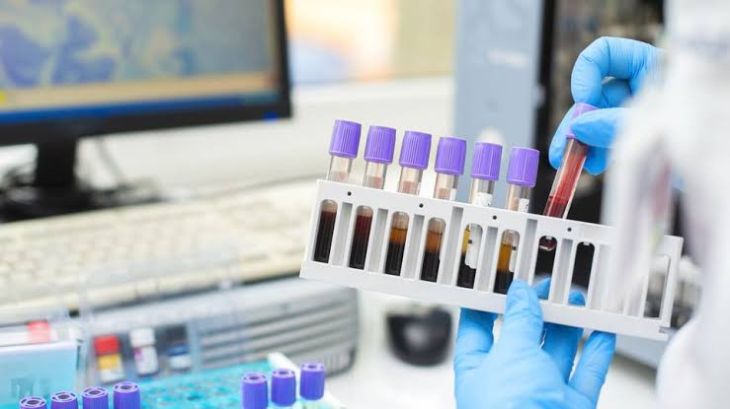
A liquid biopsy is a test that looks for disease-related material in a body fluid. Blood is one of the most commonly studied samples.
In cancer research, scientists may look for tiny pieces of genetic material released by tumor cells. These can include circulating tumor DNA, or ctDNA.
Researchers may also study circulating tumor cells, proteins, and other substances found in the blood.
Why Is Earlier Detection Important?
Many diseases can become harder to manage when they are discovered at a later stage. Some cancers, in particular, may not cause clear symptoms during their early stages.
Researchers hope liquid biopsy could eventually help identify certain diseases before they become more advanced.
Earlier detection could allow doctors to investigate suspicious results, begin treatment when appropriate, and monitor changes more closely.
How Are Liquid Biopsies Being Improved?
Scientists are working on several areas to make liquid biopsy technology better.
Detecting Smaller Signals
One major challenge is that early disease may produce only a very small amount of detectable material in the bloodstream.
Researchers are developing more sensitive laboratory methods that can identify tiny amounts of DNA, proteins, and other biological signals.
Better sensitivity could make it easier to detect changes when a disease is still at an early stage.
Studying More Than One Biomarker
Instead of looking for only one biological signal, researchers are studying groups of biomarkers.
A combination of genetic changes, proteins, and other signals may provide more information than one marker alone.
This approach could potentially improve the ability of a test to distinguish between healthy conditions and disease.
Improving Genetic Analysis
Modern genetic testing allows scientists to examine DNA in much greater detail.
Researchers can study small genetic changes and patterns that may be linked to disease. Improved sequencing methods may help identify these changes more accurately.
In cancer research, this can include examining tumor DNA that has entered the bloodstream.
Using Artificial Intelligence
Artificial intelligence is also being studied as a way to analyze complex liquid biopsy data.
AI tools can examine large amounts of genetic and biological information and look for patterns that may be difficult to identify manually.
Researchers hope this could improve the interpretation of liquid biopsy results and help identify combinations of biomarkers that are useful for early detection.
Could Liquid Biopsy Detect Multiple Diseases?
Researchers are investigating whether blood-based tests could identify signals from different types of cancer and other diseases.
For cancer, some experimental tests are designed to search for patterns that may indicate the presence of more than one cancer type.
However, detecting several diseases with one test is challenging. Different diseases can produce different biological signals, and some signals can also occur in people who do not have cancer.
More research is needed to determine how accurate these tests are and whether they improve patient outcomes.
Could Liquid Biopsy Reduce the Need for Tissue Biopsies?
Liquid biopsy may provide useful information without requiring tissue to be removed from the body.
This can be especially valuable when a tumor is difficult to reach or when repeated tissue biopsies would be difficult.
However, liquid biopsy cannot replace tissue biopsy in every situation. A tissue sample can provide information that may not be available from blood.
Doctors decide which testing method is appropriate based on the patient's condition and the information needed.
Can Liquid Biopsy Help Monitor Disease?
Liquid biopsy may also be useful after a disease has been diagnosed.
In cancer care, researchers are studying whether changes in tumor DNA in the blood can provide information about how a tumor is responding to treatment.
It may also help researchers look for signs of remaining or returning cancer.
These uses are still being studied, and liquid biopsy results need to be interpreted alongside other tests.
What Challenges Still Remain?
Liquid biopsy technology has great potential, but several challenges remain.
Early-stage disease may produce extremely small signals that are difficult to detect. Tests can also produce false-positive or false-negative results.
Researchers must make sure that new tests are accurate and useful for different groups of people. Large clinical studies are needed before many experimental liquid biopsy tests can become routine medical tools.
Cost, access, laboratory quality, and how results are interpreted are also important considerations.
FAQs
Is liquid biopsy only used for cancer?
No. Although much liquid biopsy research focuses on cancer, scientists are also studying blood-based biomarkers for other diseases and health conditions.
Is liquid biopsy better than a traditional biopsy?
Not always. Liquid biopsy is less invasive, but tissue biopsy can provide important information that a blood test may not provide. The best method depends on the medical situation.
Can liquid biopsy detect cancer early?
Researchers are studying this possibility. Some liquid biopsy tests are being developed for early detection, but many are still being evaluated for accuracy and clinical usefulness.
Can a liquid biopsy replace regular cancer screening?
Currently, it should not be assumed to replace recommended screening. Established screening methods remain important while liquid biopsy technologies continue to be studied.
Is liquid biopsy safe?
Because it commonly involves collecting a blood sample, the procedure itself is generally less invasive than removing tissue. The risks and limitations depend on the specific test.
Conclusion
Liquid biopsy technology is developing quickly and could offer new ways to detect disease earlier. Researchers are improving the ability to find tiny biological signals, studying multiple biomarkers, using advanced genetic testing, and exploring artificial intelligence to analyze results.