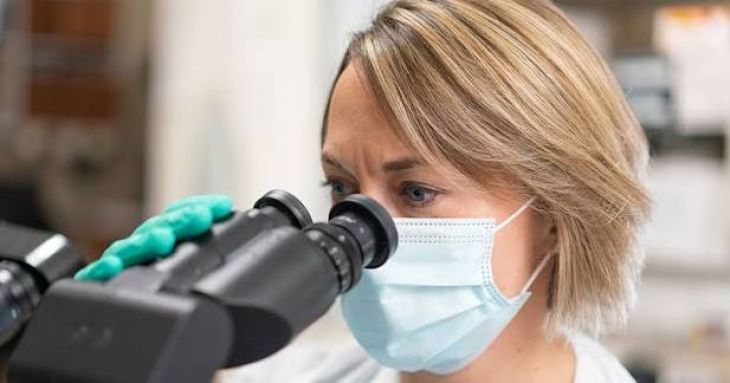
How Are Liquid Biopsies Being Studied to Detect Cancer Recurrence Earlier?
Cancer treatment does not always mean that the disease will never return. Even after successful treatment, a small number of cancer cells may sometimes remain in the body. These cells may grow over time and cause cancer to return, a process known as cancer recurrence.
Researchers are studying liquid biopsies as a way to find signs of cancer recurrence earlier. These tests may detect tiny pieces of genetic material released by cancer cells into the blood. Although this technology is promising, its ability to detect recurrence depends on the type of cancer and the test being used.
What Is a Liquid Biopsy?
A liquid biopsy is a test that looks for signs of disease in a body fluid, most often blood. Unlike a traditional tissue biopsy, which removes a small piece of tissue, a liquid biopsy can examine material circulating in the bloodstream.
Cancer cells may release small fragments of DNA into the blood. This material is called circulating tumor DNA, or ctDNA. A liquid biopsy may look for these fragments or other cancer-related signals.
These tests are being studied for cancer detection, treatment selection, and monitoring after treatment.
How Can Liquid Biopsies Help Detect Cancer Recurrence?
After cancer treatment, doctors usually monitor patients through follow-up visits, medical examinations, blood tests, and imaging scans when needed.
Researchers are investigating whether liquid biopsies can identify signs of cancer returning before a tumor becomes visible on a scan or causes symptoms.
If a test detects cancer-related DNA after treatment, it may suggest that some cancer cells remain in the body. This is sometimes called molecular residual disease.
However, a positive result does not always mean that visible cancer will develop, and a negative result cannot guarantee that cancer will not return.
Why Is Early Detection of Recurrence Important?
Finding cancer recurrence earlier may give doctors more time to assess the situation and plan further care.
In some cases, early identification could help doctors consider additional treatment or closer monitoring. Researchers are studying whether using liquid biopsy results to guide treatment can improve long-term outcomes.
However, detecting a possible sign of recurrence earlier does not automatically mean that treatment will be more successful. Clinical studies are needed to determine when acting on these results benefits patients.
Which Cancers Are Being Studied?
Liquid biopsies are being researched for several types of cancer, including colorectal, breast, lung, and other cancers.
For example, researchers are studying ctDNA testing after colorectal cancer surgery to estimate the risk that the disease may return. Similar research is exploring whether blood-based tests can help monitor patients with other cancers after treatment.
The accuracy of these tests can vary. Some tumors release very little detectable DNA into the blood, making recurrence harder to identify.
How Are Liquid Biopsies Different From Traditional Follow-Up Tests?
Traditional follow-up care may include imaging scans, physical examinations, and other tests based on the type of cancer.
Liquid biopsies offer a different approach because they can examine cancer-related material in a blood sample. Blood collection is usually less invasive than taking a tissue sample.
However, liquid biopsies do not replace all imaging scans or other follow-up tests. Doctors may use several methods together to understand a patient's condition.
What Are the Benefits of Liquid Biopsies?
Potential benefits being studied include:
-
Detecting signs of cancer recurrence before it becomes visible on scans
-
Monitoring changes in cancer-related DNA over time
-
Providing information through a blood sample
-
Helping estimate the risk of recurrence
-
Supporting research into personalized follow-up care
These benefits are not guaranteed for every patient, and the usefulness of testing depends on the specific cancer and clinical situation.
What Are the Limitations?
Liquid biopsies can sometimes miss cancer-related DNA, especially when the amount in the blood is very low. This can lead to a negative result even when cancer cells remain in the body.
Some results may also be difficult to interpret. A test may detect genetic changes that do not clearly show whether cancer will return.
Another major question is whether starting treatment based on an early molecular signal improves survival or quality of life. Researchers are still studying this issue for many cancer types.
What Could the Future of Liquid Biopsies Look Like?
As testing methods improve, liquid biopsies may become a more useful part of cancer monitoring for selected patients.
Future research aims to improve test accuracy, identify which patients are most likely to benefit, and determine how results should guide treatment decisions.
For now, liquid biopsy testing for recurrence is established in some specific clinical settings but remains under study or is not routinely recommended in others. Patients should discuss the benefits and limitations with their cancer care team.
FAQs
Can a liquid biopsy confirm that cancer has returned?
A liquid biopsy may detect signs associated with cancer, but results must be interpreted in context. Additional tests may be needed to assess whether cancer has returned.
Is a liquid biopsy painful?
It usually involves drawing blood, similar to a standard blood test.
Can liquid biopsies replace CT scans or MRI scans?
No. They may provide additional information, but imaging and other tests remain important in cancer follow-up.
Can a liquid biopsy detect every cancer recurrence?
No. Some cancers release very little detectable DNA, so a liquid biopsy may miss signs of recurrence.
Are liquid biopsies used after every cancer treatment?
No. Their use depends on the cancer type, the specific test, clinical evidence, and medical guidance.
Conclusion
Liquid biopsies are an important area of cancer research because they may help detect signs of recurrence through a simple blood sample. By examining cancer-related DNA, these tests could provide information about the risk of cancer returning after treatment.
Although the technology offers promise, it cannot yet detect every recurrence or guarantee better outcomes. Ongoing research will help doctors understand when liquid biopsies can safely and effectively improve cancer follow-up care.