How Is Digital Pathology Helping Doctors Analyze Diseases More Accurately?
Digital technology is changing the way doctors find and understand diseases. One important development is digital pathology, which allows medical professionals to examine tissue samples using digital images instead of relying only on traditional glass slides and microscopes.
This technology can make it easier to store, share, and review medical images. It can also work alongside artificial intelligence to help doctors identify patterns linked to certain diseases.
What Is Digital Pathology?
Digital pathology is a method of examining tissue samples through high-quality digital images.
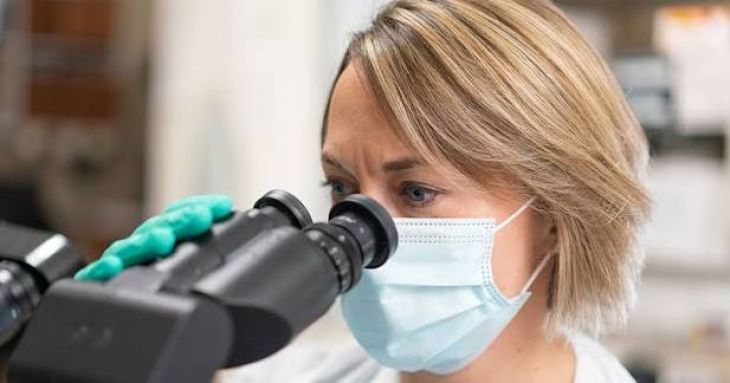
Traditionally, laboratory specialists prepare thin tissue samples on glass slides and examine them under a microscope. With digital pathology, special scanners can create detailed digital images of these slides.
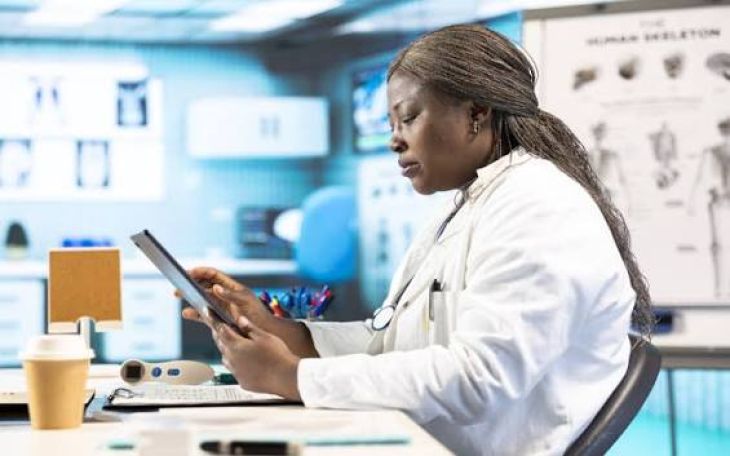
Doctors and pathologists can then view the images on computer screens, zoom in on specific areas, and share them with other specialists when needed.
This process can help medical teams review tissue samples without always needing to handle or transport physical slides.
How Does Digital Pathology Work?
The process usually begins when a tissue sample is collected from a patient through a biopsy or surgery.
The sample is prepared in a laboratory and placed on a glass slide. A digital scanner captures a detailed image of the slide, which can then be stored in a secure computer system.
A pathologist examines the image to look for unusual cells, tissue changes, or other signs of disease.
If the case is complex, the digital image may be shared with another specialist for an additional opinion. This can make collaboration easier, especially when experts are working in different locations.
How Can Digital Pathology Improve Diagnostic Accuracy?
Digital pathology allows pathologists to zoom in on specific areas and review tissue images in detail.
They can compare different regions of a sample, revisit earlier findings, and share images with other specialists. These features may help when a diagnosis is difficult or when a second opinion is needed.
Artificial intelligence tools can also analyze digital slides and highlight areas that may need closer examination.
However, these tools are not perfect. Pathologists must review the findings and consider other medical information before making a diagnosis.
Can Digital Pathology Help With Cancer Diagnosis?
Cancer diagnosis is one of the important uses of digital pathology.
When doctors suspect cancer, a biopsy may be taken to examine cells and tissues under a microscope. Digital pathology allows these samples to be viewed and analyzed on a computer.
Specialists can look for changes in cell shape, tissue structure, and other features that may indicate cancer.
AI tools may help identify suspicious areas or measure certain features in a tissue sample. These tools can assist pathologists, but they do not replace the need for expert interpretation.
Digital pathology may also help specialists compare samples and review complex cancer cases.
How Does Digital Pathology Help Doctors Work Together?
In traditional pathology, physical slides may need to be transported to another laboratory for review. This can take time and create logistical challenges.
Digital images can be shared securely with authorized specialists, allowing them to review a case remotely.
This can be especially useful when a hospital needs advice from an expert who is located in another city or country.
Remote access may also help medical teams discuss difficult cases and make decisions more efficiently.
What Are the Benefits of Digital Pathology?
Digital pathology offers several potential benefits:
-
Easier storage and retrieval of tissue images
-
Faster sharing of cases between specialists
-
Better access to second opinions
-
Detailed examination of tissue samples
-
Integration with AI-based analysis tools
-
Improved organization of laboratory records
-
Opportunities for medical education and research
The benefits depend on the equipment, software, laboratory setup, and how the technology is used.
What Are the Challenges of Digital Pathology?
Despite its benefits, digital pathology has some limitations.
High-quality scanners and storage systems can be expensive. Digital slides also require significant storage space, reliable computer systems, and secure access controls.
Laboratories need trained staff and clear procedures to ensure that digital images are suitable for diagnosis. Patient information must also be protected from unauthorized access.
In addition, digital pathology systems need proper validation before they are used for specific clinical purposes. Some cases may still require additional tests or examination of physical slides.
What Is the Future of Digital Pathology?
Digital pathology is expected to play an increasingly important role in modern laboratories.
As scanners, software, and AI tools improve, specialists may gain better ways to review tissue samples, compare findings, and study diseases.
Researchers are also exploring how digital pathology could support personalized medicine by helping doctors understand the features of an individual patient's disease.
The main goal is to make disease analysis more efficient while maintaining reliable medical judgment and patient safety.
FAQs
Is digital pathology better than traditional pathology?
Digital pathology offers advantages such as easier image sharing and storage. Its accuracy depends on the system and its intended use, and it must be properly validated.
Can digital pathology detect cancer?
It can help pathologists examine tissue samples for signs of cancer. The final diagnosis depends on expert review and, when needed, additional tests.
Does digital pathology use artificial intelligence?
Some digital pathology systems use AI to highlight suspicious areas, measure tissue features, or assist with image analysis. Not every system includes AI.
Can digital pathology reduce diagnosis time?
It may reduce delays in sharing and reviewing cases. The overall time needed for diagnosis still depends on laboratory procedures and the complexity of the case.
Conclusion
Digital pathology is changing how doctors examine tissue samples and analyze diseases. By turning glass slides into digital images, it can make medical information easier to review, store, and share.
When combined with properly tested AI tools, it may help specialists identify important patterns and work together more effectively. Although challenges remain, digital pathology offers promising ways to improve laboratory workflows and support accurate disease diagnosis.