What Is Heart Block and How Is It Diagnosed?
Heart block is a condition that affects the heart's electrical system. The heart normally beats in a steady rhythm because electrical signals travel through it in a specific pattern. These signals tell the heart when to contract and pump blood.
With heart block, these electrical signals are slowed or blocked as they move through the heart. As a result, the heart may beat more slowly than normal or may not beat in a regular way.
How Does the Heart's Electrical System Work?
The heart has its own electrical system that controls each heartbeat. An electrical signal normally starts in the upper part of the heart and travels through the heart's chambers.
The signal eventually reaches the lower chambers, telling them to contract and pump blood.
A problem with the electrical pathway can slow down or stop the signal from reaching the lower chambers properly. This is what happens with heart block.
What Are the Different Types of Heart Block?
Doctors generally describe heart block as first-degree, second-degree, or third-degree.
First-Degree Heart Block
This is the mildest type. The electrical signals still reach the lower chambers, but they move more slowly than normal.
Many people with first-degree heart block have no symptoms and may not need specific treatment. A doctor may simply monitor the condition.
Second-Degree Heart Block
With second-degree heart block, some electrical signals do not reach the lower chambers.
This type can cause a slower or irregular heartbeat. There are different forms of second-degree heart block, and some are more serious than others.
Third-Degree Heart Block
Third-degree heart block, also called complete heart block, is the most serious type.
The electrical signals from the upper chambers do not reach the lower chambers normally. The lower chambers may then rely on their own slower electrical signals to keep the heart beating.
Complete heart block can be dangerous and usually requires prompt medical evaluation.
What Causes Heart Block?
Heart block can have several possible causes.
These may include:
-
Aging-related changes in the heart
-
Heart disease
-
Previous heart attack
-
Damage to the heart muscle
-
Certain medicines
-
Congenital heart problems
-
Heart surgery
-
Inflammation or infection affecting the heart
Sometimes, the exact cause may not be clear.
Certain medicines that slow the heart rate can also contribute to heart block. If you take heart or blood pressure medicines, your doctor can determine whether they may be affecting your heart rhythm.
What Are the Symptoms of Heart Block?
Some people with heart block do not have any symptoms, especially when the condition is mild.
When symptoms occur, they may include:
-
Dizziness
-
Fainting
-
Unusual tiredness
-
Shortness of breath
-
Chest discomfort
-
Slow heartbeat
-
Feeling weak
-
Difficulty exercising
More serious heart block can cause sudden fainting or severe weakness because the heart may not pump enough blood to the body.
How Is Heart Block Diagnosed?
An electrocardiogram (ECG or EKG) is one of the main tests used to diagnose heart block.
An ECG records the heart's electrical activity. It can help doctors see whether electrical signals are moving through the heart normally.
A doctor may also recommend other tests, depending on the person's symptoms and medical history.
These may include:
-
Holter monitoring
-
Event monitoring
-
Echocardiogram
-
Blood tests
-
Other heart tests
A portable heart monitor may be useful when symptoms happen only occasionally. It can record the heart rhythm over a longer period and help identify an electrical problem that may not appear during a short ECG.
Can Heart Block Be Serious?
The seriousness of heart block depends on its type and the person's overall heart health.
Mild heart block may not cause problems and may only require regular monitoring. More advanced heart block can cause the heart to beat too slowly and reduce blood flow to the brain and other organs.
Complete heart block can be a medical emergency and may require treatment to maintain a safe heart rate.
How Is Heart Block Treated?
Treatment depends on the type and cause of the heart block.
Some people with mild heart block may only need regular checkups. If a medicine is contributing to the problem, a doctor may change the medication or adjust the dose.
People with more serious heart block may need a pacemaker. A pacemaker is a small device that helps control the heart's rhythm and maintain an appropriate heart rate.
Can Heart Block Be Prevented?
Not all cases of heart block can be prevented, especially when it is related to aging or certain heart conditions.
Helpful habits include:
-
Eating a balanced diet
-
Staying physically active
-
Avoiding smoking
-
Managing blood pressure
-
Keeping cholesterol under control
-
Managing diabetes
-
Taking medicines exactly as prescribed
-
Having regular health checkups
FAQs
What is heart block?
Heart block is a problem with the heart's electrical system that causes electrical signals to slow down or become blocked as they travel through the heart.
Is heart block the same as a heart attack?
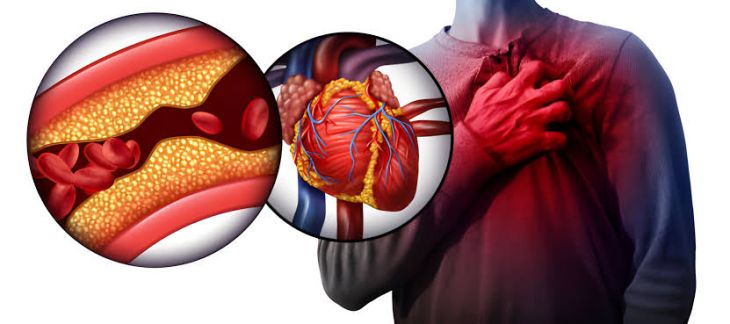
No. A heart attack occurs when blood flow to part of the heart muscle is blocked. Heart block is an electrical problem involving the heart's rhythm.
Can heart block cause dizziness?
Yes. If the heart beats too slowly, it may not pump enough blood to the brain, which can cause dizziness or fainting.
How is heart block diagnosed?
An ECG is commonly used to diagnose heart block. Doctors may also use longer-term heart monitoring and other tests when needed.
Does everyone with heart block need a pacemaker?
No. Mild forms may only require monitoring. A pacemaker may be recommended for certain types of more serious heart block.
Conclusion
Heart block occurs when electrical signals in the heart are slowed or blocked. It can be mild, such as first-degree heart block, or more serious, such as complete heart block.
Some people have no symptoms, while others may experience dizziness, fainting, tiredness, shortness of breath, or a slow heartbeat. An ECG is an important test used to identify heart block, while additional monitoring may be needed in some cases.