How Flaxseeds and Chia Seeds Add Important Nutrients to Your Diet
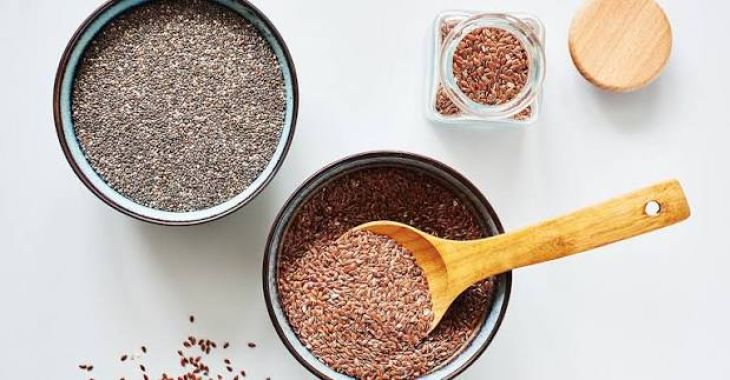
Flaxseeds and chia seeds are small but nutrient-rich foods that can add valuable nutrients to a balanced diet. Both seeds contain dietary fibre, plant-based protein, healthy fats, and several vitamins and minerals. They are also sources of alpha-linolenic acid (ALA), a plant-based omega-3 fatty acid.
Because of their nutritional profile, flaxseeds and chia seeds can be useful additions to breakfast, snacks, salads, smoothies, and other meals. Their high fibre content can contribute to digestive health, while their healthy fats and minerals add nutritional variety.
Flaxseeds and chia seeds are similar in some ways but also have differences. Flaxseeds are particularly known for their ALA, fibre, and lignans, while chia seeds are notable for their fibre, ALA, calcium, magnesium, and phosphorus.
Neither seed is a magic food or a substitute for a balanced diet. Instead, they can complement a varied eating pattern that includes vegetables, fruits, whole grains, legumes, protein-rich foods, and other healthy fats.
Nutrients Found in Flaxseeds and Chia Seeds
Both seeds contain a combination of macronutrients and micronutrients that can contribute to overall dietary quality.
Flaxseeds provide healthy fats, fibre, protein, and plant compounds called lignans. Chia seeds provide fibre, protein, ALA, calcium, magnesium, phosphorus, and other nutrients.
Their nutritional value makes them particularly useful for people looking to increase their intake of plant-based foods.
Key nutrients found in these seeds include:
- Alpha-linolenic acid (ALA)
- Dietary fibre
- Plant-based protein
- Magnesium
- Phosphorus
- Calcium
- Healthy unsaturated fats
The exact nutritional composition varies depending on the serving size and product.
Adding a small amount to meals can increase nutrient density without requiring major changes to your usual diet.
How Their Healthy Fats Support Nutrition
Flaxseeds and chia seeds are good plant sources of ALA, an essential omega-3 fatty acid. The body cannot make ALA, so it needs to come from food.
ALA contributes to normal cell structure and other physiological functions. The body can convert a small amount of ALA into the longer-chain omega-3 fatty acids EPA and DHA, although this conversion is limited.
This is one reason dietary variety remains important. People who eat fish can obtain EPA and DHA from seafood, while people following plant-based diets can obtain ALA from foods such as flaxseeds, chia seeds, walnuts, and certain plant oils.
Seeds can therefore be a useful part of a diet that emphasizes unsaturated fats rather than relying heavily on foods high in saturated fats.
Fibre for Digestive Health
One of the most notable nutritional features of both flaxseeds and chia seeds is their high fibre content.
Dietary fibre supports normal digestion and can help maintain regular bowel movements. Certain types of fibre can also be fermented by microorganisms in the large intestine, contributing to a healthy gut environment.
Chia seeds can absorb substantial amounts of liquid and form a gel-like texture. Flaxseeds also contain different types of fibre that contribute to their digestive properties.
When increasing your fibre intake, it is helpful to do so gradually and drink adequate fluids. Suddenly consuming large amounts of high-fibre foods can cause temporary gas, bloating, or abdominal discomfort.
Including seeds alongside vegetables, fruits, legumes, and whole grains can help create a diverse source of dietary fibre.
Flaxseeds and Chia Seeds as Sources of Plant Protein
Although seeds are not usually considered a primary protein source, flaxseeds and chia seeds can contribute useful amounts of plant-based protein.
Protein is needed for maintaining muscles, producing enzymes and hormones, supporting tissues, and carrying out many other essential functions.
Adding seeds to oatmeal, yogurt, smoothies, salads, or whole-grain dishes can increase the protein and nutrient content of a meal.
However, people with higher protein requirements should not rely on seeds alone. Legumes, soy foods, dairy products or suitable alternatives, eggs, fish, poultry, and other protein-rich foods can provide additional protein depending on dietary preferences.
A varied diet makes it easier to obtain all the essential amino acids and nutrients the body needs.
Important Minerals in These Seeds
Flaxseeds and chia seeds provide several minerals that contribute to normal body function.
Chia seeds are particularly useful sources of calcium, magnesium, and phosphorus. These minerals contribute to bone health, muscle function, energy metabolism, and other physiological processes.
Flaxseeds also provide minerals such as magnesium and phosphorus, along with their healthy fats, fibre, and plant compounds.
However, the body does not rely on one food for its mineral requirements. Eating vegetables, fruits, legumes, whole grains, nuts, seeds, and other nutritious foods provides a broader range of micronutrients.
Using seeds as part of a varied diet is therefore more beneficial than focusing on them as a single source of nutrition.
Simple Ways to Add Flaxseeds and Chia Seeds
Both seeds are easy to incorporate into everyday meals.
Simple ideas include:
- Adding chia seeds to oatmeal
- Mixing ground flaxseed into yogurt
- Adding seeds to smoothies
- Sprinkling them over salads
- Mixing them into whole-grain cereal
- Adding them to homemade energy bites
- Using chia seeds to make chia pudding
- Adding ground flaxseed to baked foods
Ground flaxseed is often easier for the body to access than whole flaxseed because whole seeds may pass through the digestive system without being completely broken down.
Chia seeds can generally be eaten whole, but soaking them can create a soft, gel-like texture that works well in puddings and smoothies.
Store seeds properly, preferably in a cool, dry place. Ground flaxseed can benefit from refrigeration because its oils can become rancid over time.
Portion Size and Dietary Balance
Although flaxseeds and chia seeds are nutritious, they are also relatively energy-dense because they contain significant amounts of fat. Portion size therefore matters, especially for people monitoring their overall calorie intake.
A small serving can provide a substantial amount of fibre and healthy fats. There is no need to consume very large quantities to benefit from their nutritional value.
People who have difficulty swallowing should take care with dry chia seeds because they absorb liquid and expand. Using them in adequately hydrated foods can be a more comfortable option.
If you have a medical condition, take medications, or are making major dietary changes, consult a healthcare professional or dietitian for individualized advice.
Conclusion
Flaxseeds and chia seeds are nutrient-dense foods that can add fibre, plant-based protein, healthy fats, ALA omega-3, and important minerals to the diet.
They can be easily added to oatmeal, yogurt, smoothies, salads, and other meals. Including them in moderate portions alongside a wide variety of vegetables, fruits, whole grains, legumes, and protein-rich foods can help create a balanced eating pattern.
Rather than relying on one food, focus on dietary variety and consistent healthy choices to meet your nutritional needs.