How Eating Enough Protein Supports Healthy Aging
Protein is an essential nutrient throughout life, but getting enough can become particularly important as people grow older. The body uses protein to maintain muscles, repair tissues, produce enzymes and hormones, and support many essential biological functions.
Aging is naturally associated with gradual changes in muscle mass and strength. Maintaining adequate protein intake, combined with regular physical activity, can help support muscle health and physical function. Protein also contributes to maintaining bones, connective tissues, and other structures throughout the body.
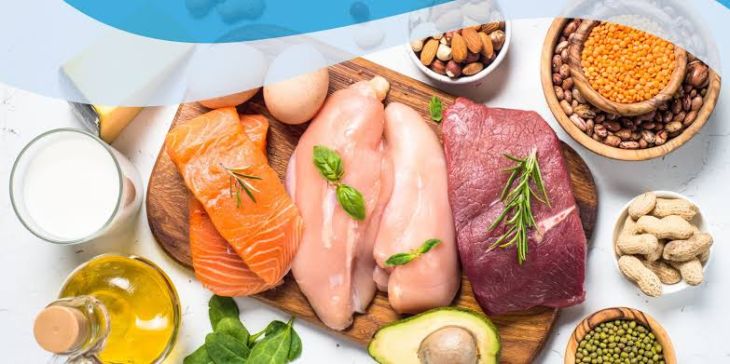
Protein can come from both animal and plant sources. Eggs, fish, poultry, dairy products, beans, lentils, soy foods, nuts, seeds, and whole grains can all contribute to daily protein intake.
However, healthy aging involves more than protein alone. Adequate calories, vitamins, minerals, fibre, hydration, physical activity, sleep, and overall diet quality are also important.
Why Protein Becomes Important With Age
The body continuously breaks down and rebuilds proteins. This process is essential for maintaining muscles and repairing tissues.
As people age, the body's response to dietary protein and muscle-building signals can change. This can make adequate protein intake and regular physical activity increasingly important for maintaining muscle mass and strength.
Insufficient protein intake may make it harder to meet the body's needs, particularly when appetite decreases or food intake becomes limited.
Older adults may also have difficulty consuming enough protein because of changes in appetite, dental problems, difficulty preparing meals, or certain health conditions.
Including protein-rich foods regularly throughout the day can help support nutritional adequacy and healthy aging.
Protein and Muscle Health
Muscle mass and strength are important for mobility, balance, independence, and everyday activities. Protein provides amino acids that the body uses to maintain and repair muscle tissue.
Resistance exercise, such as strength training, works together with adequate protein intake to support muscle maintenance. Walking and other forms of physical activity can also contribute to overall fitness.
Rather than consuming most protein in a single meal, spreading protein-containing foods across meals can be a practical approach.
Protein-rich choices include:
- Eggs
- Fish
- Chicken and other lean meats
- Milk and yogurt
- Beans and lentils
- Tofu and other soy foods
- Nuts and seeds
- Whole grains
The amount of protein needed varies between individuals based on factors such as age, body size, activity level, and health status.
Protein and Bone Health
Protein contributes to the structure and maintenance of bones. Although calcium and vitamin D are well known for their roles in bone health, adequate protein is also part of a balanced nutritional pattern that supports the skeleton.
Muscle and bone health are closely connected. Stronger muscles can support mobility and physical activity, while regular weight-bearing and resistance exercise can help maintain bone strength.
Protein-rich foods can also provide other important nutrients. Dairy products, for example, can provide protein and calcium, while fish may provide protein and vitamin D.
Plant-based choices such as beans, tofu, nuts, seeds, and whole grains can contribute protein alongside minerals, fibre, and other beneficial nutrients.
Protein and Tissue Repair
Protein is required to build and repair tissues throughout the body. It is involved in the production of collagen and other structural proteins, as well as enzymes, hormones, antibodies, and other essential substances.
Adequate protein is particularly relevant during periods of recovery from illness, injury, or surgery, when nutritional requirements may change.
However, increasing protein intake alone does not guarantee faster healing. Adequate calories, vitamins, minerals, hydration, sleep, and appropriate medical care also contribute to recovery.
Older adults experiencing reduced appetite may benefit from choosing nutrient-dense foods that provide protein along with other essential nutrients.
Best Protein Sources for Healthy Aging
A varied diet can provide protein from both animal and plant sources.
Good protein-rich foods include:
- Fish and seafood
- Eggs
- Poultry
- Milk and yogurt
- Cottage cheese and other dairy foods
- Beans
- Lentils
- Chickpeas
- Tofu and tempeh
- Nuts and seeds
- Soy products
- Quinoa and other whole grains
Choosing a variety of protein sources can help provide different nutrients. Fish can provide omega-3 fatty acids, dairy products can provide calcium, and legumes can provide fibre and minerals.
For people following a vegetarian or vegan diet, combining different plant protein sources throughout the day can help provide a broad range of amino acids and nutrients.
How to Include More Protein in Everyday Meals
Adding enough protein does not require complicated meal planning. Start by including a protein-rich food at each main meal.
Breakfast could include eggs, yogurt, milk, or a suitable soy product. Lunch might include lentils, beans, chicken, fish, or tofu. Dinner can combine a protein source with vegetables and whole grains or other nutrient-rich carbohydrates.
Healthy snacks can also contribute protein. Yogurt, nuts, seeds, roasted chickpeas, or a suitable fortified beverage can be convenient options.
For older adults with smaller appetites, nutrient-dense meals may be especially useful. Adding protein to familiar foods can increase nutritional value without requiring very large portions.
People with kidney disease or other medical conditions may have specific protein requirements and should follow individualized guidance from a healthcare professional.
Protein, Physical Activity, and Healthy Aging
Protein works best as part of an active lifestyle. Resistance training stimulates muscle protein synthesis and can help maintain strength as people age.
Activities such as walking, cycling, swimming, balance exercises, and strength training can contribute to physical function and independence.
Combining regular physical activity with adequate protein and an overall nutritious diet can support muscle health and everyday mobility.
However, exercise and nutrition plans should be adapted to individual abilities and health conditions. Older adults who are new to strength training or have significant health concerns should consider seeking professional guidance.
Conclusion
Eating enough protein can support healthy aging by helping maintain muscle mass, strength, tissues, bones, and normal body functions.
Fish, eggs, dairy products, poultry, beans, lentils, tofu, nuts, seeds, and whole grains are useful protein sources that can fit into a balanced diet.
For healthy aging, combine adequate protein with regular physical activity, a varied nutrient-rich diet, sufficient hydration, and appropriate healthcare. Consistent habits can help support strength, mobility, and overall well-being as you age.