Understanding Common Disorders of the Tonsils and Their Symptoms
The human pharynx is protected by a specialized immunological ring of lymphoid tissue known as Waldeyer's ring, which includes the palatoid structures commonly referred to as the tonsils. Positioned strategically at the gateway of the upper respiratory and digestive tracts, the palatine tonsils serve as frontline immunological sentinels, sampling airborne pathogens and ingested microorganisms to stimulate protective antibody responses. Under healthy physiological conditions, these mucosal-associated lymphoid tissues maintain a balanced immune defense while permitting smooth airflow and unobstructed swallowing. However, when viral or bacterial pathogens overwhelm this local defense system, or when chronic inflammatory stimuli induce persistent structural changes, individuals develop a diverse array of medical conditions collectively known as tonsillar disorders. These conditions can disrupt daily breathing, cause intense local pain, and require careful clinical management to prevent systemic complications.
Acute Tonsillitis: Viral Versus Bacterial Pathogens
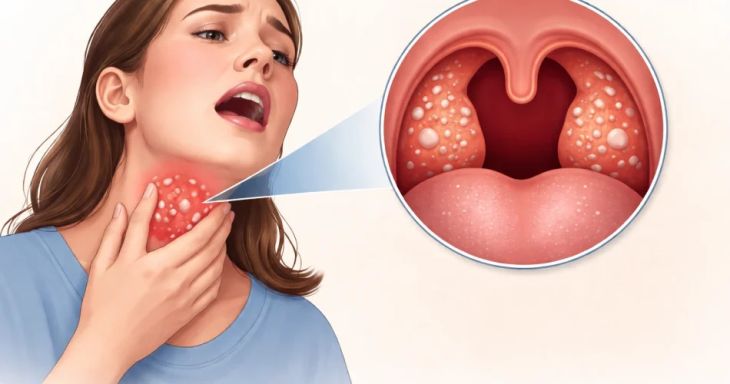
One of the most frequent clinical encounters in primary care and otolaryngology is acute tonsillitis, characterized by sudden inflammation and enlargement of the palatine tonsils. This condition is broadly divided into viral and bacterial etiologies, each presenting with distinct clinical nuances. Viral tonsillitis—frequently incited by rhinoviruses, adenoviruses, influenza, or Epstein-Barr virus—typically presents with gradual onset, low-grade fever, nasal congestion, cough, and mild throat discomfort. Conversely, bacterial tonsillitis is most commonly caused by Group A beta-hemolytic Streptococcus, a pathogen that triggers rapid, severe sore throat, high fever, painful swallowing, tender anterior cervical lymphadenopathy, and the appearance of yellowish-white exudates coating the tonsillar surface. Differentiating between these two origins is vital to ensure appropriate treatment and avoid unnecessary antibiotic exposure for viral infections.
Pathological Mechanics and Crypt Accumulations
To understand why the tonsils are uniquely vulnerable to frequent infections, one must examine their intricate microscopic architecture. The surface of each tonsil is deeply indented by fifteen to twenty crypts—narrow, branching invaginations that vastly increase the surface area available for immunological sampling. However, these deep crypts also create an ideal environment for the accumulation of cellular debris, food particles, bacteria, and shed epithelial cells. When these trapped materials harden over time, they form small, foul-smelling concretions known as tonsilloliths, or tonsil stones. Furthermore, chronic inflammation within these crypts can lead to persistent cryptitis, where bacterial biofilms become deeply embedded, fostering recurrent bouts of acute infection and persistent halitosis that resist standard oral hygiene measures.
Peritonsillar Abscess: Complications of Untreated Infection
When an acute bacterial tonsillitis infection spreads beyond the tonsillar capsule into the surrounding loose connective tissue of the superior pharyngeal constrictor muscle, it can precipitate a dangerous and painful complication known as a peritonsillar abscess, commonly called a quinsy. This condition develops when pus collects in the potential space between the tonsil and the lateral pharyngeal wall. Patients afflicted with a peritonsillar abscess experience severe, progressive throat pain that is typically worse on one side, accompanied by trismus—an involuntary spasm of the jaw muscles that makes opening the mouth difficult. Other hallmark signs include a thick, muffled "hot potato" voice, excessive drooling, severe dysphagia, and contralateral deviation of the uvula due to the pressure exerted by the expanding abscess mass.
Chronic Tonsillar Hypertrophy and Obstructive Consequences
Beyond acute infections, the tonsils can undergo chronic, permanent enlargement, a condition designated as chronic tonsillar hypertrophy. While mild enlargement is a normal physiological finding in growing children as their immune systems mature, excessive tonsillar enlargement can severely compromise the upper airway. When oversized tonsils meet in the midline of the oropharynx, they create significant mechanical obstruction during sleep and wakefulness. This chronic airway restriction is a leading cause of pediatric obstructive sleep apnea, characterized by loud snoring, intermittent breathing pauses, restless sleep, daytime behavioral disturbances, and potential neurocognitive impacts. In adults, chronic hypertrophy can also contribute to snoring and upper airway resistance syndrome, complicating overall respiratory health.
Neoplastic Pathologies: Benign and Malignant Growths
Although inflammatory and infectious conditions represent the vast majority of tonsillar disorders, the tonsils can also develop neoplastic growths that demand rigorous evaluation. Benign tumors of the tonsil are relatively rare, but malignant neoplasms—most notably squamous cell carcinoma and non-Hodgkin lymphoma—pose significant clinical challenges. Squamous cell carcinoma of the tonsil has seen a rising epidemiological incidence linked heavily to high-risk strains of the human papillomavirus. Malignant tonsillar tumors frequently present insidiously, often manifesting as a persistent, painless unilateral enlargement of one tonsil, a chronic foreign body sensation in the throat, referred otalgia radiating to the ear, or an unexplained firm neck mass resulting from regional lymph node metastasis.
Diagnostic Investigations and Clinical Evaluations
Diagnosing disorders of the tonsils requires a thorough and systematic clinical evaluation, beginning with a detailed history and a direct physical examination of the oropharynx using adequate illumination and tongue depression. Clinicians assess tonsillar symmetry, mucosal color, presence of exudates, and the degree of airway obstruction. When bacterial tonsillitis is suspected, rapid antigen detection testing or throat cultures are performed to confirm streptococcal infection. For suspected peritonsillar abscesses, clinical examination is often sufficient, though intraoral ultrasonography or computed tomography scans with contrast may be utilized to confirm the exact location of fluid collections. When asymmetric tonsillar enlargement or persistent unresolving masses are detected, biopsy is mandatory to rule out underlying malignancy.
Management Strategies and Surgical Interventions
Therapeutic management of tonsillar disorders varies widely depending on the underlying pathology, ranging from targeted medical therapies to definitive surgical removal. Acute bacterial tonsillitis is managed primarily with weight-based courses of appropriate antibiotics, such as penicillin or amoxicillin, alongside supportive hydration and analgesics. A peritonsillar abscess constitutes an urgent medical emergency requiring immediate drainage via needle aspiration or surgical incision, combined with intravenous antibiotic coverage. For patients suffering from recurrent streptococcal tonsillitis meeting specific clinical frequency criteria, chronic obstructive sleep apnea caused by severe hypertrophy, or suspected malignancies, otolaryngologists perform a tonsillectomy—the surgical excision of the palatine tonsils—to eliminate chronic infection and restore unobstructed airway patency.
Conclusion
Tonsillar disorders encompass a wide spectrum of acute infectious, chronic inflammatory, obstructive, and neoplastic conditions that affect the pharynx and compromise upper respiratory health. By examining how viral and bacterial pathogens trigger acute tonsillitis, understanding the mechanical risks of peritonsillar abscesses and chronic hypertrophy, and recognizing the diagnostic value of physical examination and biopsy, the clinical importance of these lymphoid structures becomes clear. Through precise antimicrobial management, prompt abscess drainage, and targeted surgical interventions like tonsillectomy, healthcare providers can alleviate painful symptoms, restore airway patency, and protect overall patient well-being.