Understanding Decongestants: How They Relieve Nasal Congestion
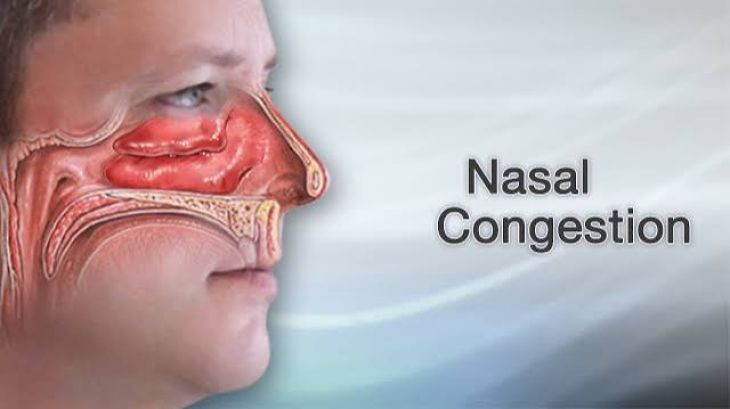
The human nasal cavity is a highly specialized, vascularly dense anatomical structure designed to filter, warm, and humidify inspired air before it reaches the delicate tissues of the lower respiratory tract. The internal lining of the nasal passages features an expansive network of capacitance vessels, mucosal glands, and venous sinusoids regulated by the autonomic nervous system. When viral infections, seasonal allergies, environmental irritants, or inflammatory triggers provoke an immune response, chemical mediators such as histamine and prostaglandins are released locally. These inflammatory agents cause the capillary walls to become leaky and trigger intense vasodilation within the nasal mucosa. Consequently, the venous sinusoids engorge with blood, and fluid accumulates in the interstitial spaces, causing the nasal passages to swell shut and producing the uncomfortable physical obstruction known as nasal congestion.
The Mechanisms of Action: Alpha-Adrenergic Receptor Activation
To understand how decongestants restore normal airflow, one must examine the pharmacological interaction between these medications and the autonomic nervous system. Decongestants belong primarily to a class of medications known as sympathomimetics, which mimic the effects of the body's natural fight-or-flight neurotransmitters, norepinephrine and epinephrine.
-
Receptor Targeting: Within the smooth muscle cells surrounding the engorged blood vessels of the nasal mucosa, there is a high concentration of specific receptors called alpha-1 and alpha-2 adrenergic receptors.
-
Vasoconstriction: When an oral or topical decongestant enters the bloodstream or is applied directly to the mucosa, its active molecules bind to these adrenergic receptors. This binding action stimulates smooth muscle contraction within the walls of the dilated blood vessels, causing rapid, profound vasoconstriction. As the swollen blood vessels narrow and squeeze the excess fluid out of the tissues, the nasal airway passages open up, dramatically reducing mucosal swelling and relieving the sensation of a blocked nose.
Oral Decongestants: Systemic Absorption and Action
Decongestants are broadly formulated into two primary administration routes, beginning with oral systemic agents that circulate throughout the entire body via the bloodstream.
-
Common Compounds: The most widely recognized oral decongestants are pseudoephedrine and phenylephrine, frequently found in over-the-counter cold, flu, and sinus medications.
-
Systemic Distribution: When ingested orally, these compounds are absorbed through the gastrointestinal tract and distributed systemically. Because they enter the cardiovascular circulation, oral decongestants stimulate adrenergic receptors not only in the nasal mucosa but also throughout the body. This systemic reach allows them to provide prolonged relief for blocked nasal passages and eustachian tubes; however, it also means they can elevate systemic blood pressure, increase heart rate, and cause central nervous system stimulation, leading to nervousness, jitters, or insomnia in sensitive individuals.
Topical Decongestants: Direct Mucosal Application
In contrast to systemic pills, topical decongestants are delivered directly to the nasal mucosa in the form of liquid nasal sprays or drops, offering rapid, localized relief.
-
Active Ingredients: Common topical decongestant formulations include oxymetazoline, xylometazoline, and phenylephrine sprays.
-
Targeted Efficacy: When sprayed directly into the nasal cavity, these agents contact the engorged blood vessels immediately, triggering powerful, localized vasoconstriction within seconds to minutes. Because the medication does not need to pass through the digestive system or rely on systemic circulation to reach high concentrations in the nasal tissues, topical sprays provide intense, fast-acting relief from severe congestion, making them particularly popular for helping individuals breathe easier and sleep during acute upper respiratory infections.
The Danger of Rhinitis Medicamentosa and Rebound Congestion
While topical decongestants offer swift and potent relief, their usage comes with a strict medical warning regarding the duration of treatment.
-
The Rebound Cycle: If topical nasal sprays—particularly oxymetazoline—are used continuously for more than three to five consecutive days, the local blood vessels begin to adapt to the constant presence of the drug. As the medication wears off, the smooth muscle cells experience a severe compensatory vasodilation that is often more intense than the original swelling.
-
Chronic Dependency: This phenomenon is known as rebound congestion or rhinitis medicamentosa. Trapped in a frustrating cycle, the user experiences worsening nasal blockage as soon as the spray wears off, prompting them to use the spray more frequently, which further damages the mucosal tissue and establishes a stubborn, chronic chemical dependency. Breaking this cycle often requires a challenging medical withdrawal protocol involving intranasal corticosteroids or saline rinses.
Contraindications and Cardiovascular Safety Precautions
Because decongestants rely on vasoconstriction and sympathetic nervous system stimulation, their use requires careful medical consideration, particularly for individuals with pre-existing health conditions.
-
Hypertension and Heart Disease: Because systemic decongestants like pseudoephedrine narrow blood vessels throughout the body, they can significantly increase blood pressure and myocardial workload, posing severe risks for patients with uncontrolled hypertension, coronary artery disease, or arrhythmias.
-
Endocrine and Urological Cautions: Furthermore, sympathomimetic agents can exacerbate conditions such as hyperthyroidism by increasing metabolic demands, aggravate glaucoma by altering intraocular pressure, and cause urinary retention in older men with benign prostatic hyperplasia by contracting smooth muscle sphincters in the urinary tract. Consequently, consulting a healthcare provider or pharmacist is essential before selecting a decongestant, ensuring safe, effective symptom management.
Diagnostic Evaluations and Comprehensive Sinus Management
While decongestants provide valuable temporary relief for acute nasal obstruction, chronic or persistent nasal congestion often points toward underlying medical conditions that require formal clinical evaluation.
-
Identifying Chronic Causes: Otolaryngologists and primary care physicians evaluate patients suffering from chronic congestion to rule out non-infectious etiologies, such as chronic allergic rhinitis, non-allergic rhinitis, nasal polyps, or a deviated nasal septum.
-
Targeted Treatment Plans: Rather than relying indefinitely on decongestants, long-term management of chronic nasal blockage often involves identifying specific environmental triggers through allergy testing, utilizing intranasal corticosteroid sprays to reduce baseline mucosal inflammation safely, or employing daily saline nasal irrigations to clear irritants and maintain healthy airway patency.
Conclusion
Decongestants are powerful pharmacological agents that relieve nasal congestion by binding to adrenergic receptors within the nasal mucosa, triggering rapid vasoconstriction that shrinks engorged blood vessels and restores clear airflow. By understanding the distinct physiological profiles separating systemic oral agents like pseudoephedrine from fast-acting topical sprays like oxymetazoline, patients can navigate treatment options effectively while avoiding the pitfalls of rebound congestion and rhinitis medicamentosa. Recognizing cardiovascular contraindications and seeking professional medical guidance for chronic sinus issues ensures that decongestants are used safely as short-term tools to support respiratory comfort and overall health.