What Is Chordoma? Understanding This Rare Cancer Along the Spine
Chordoma is a rare type of cancer that develops in the bones of the skull base or spine. It grows from leftover cells of a structure called the notochord, which plays an important role in early development before birth.
Although chordoma usually grows slowly, it can damage nearby bones, nerves, and other tissues as it becomes larger. It may also return after treatment, making long-term medical care important.
Because this cancer can develop near important structures such as the brainstem and spinal cord, early diagnosis and treatment planning are essential.
What Is Chordoma?
Chordoma is a rare bone cancer that develops from remnants of the notochord. The notochord is a flexible structure found in the developing embryo that helps guide the formation of the spine.
Most of this structure disappears before birth, but small groups of cells may remain in the skull base, spine, or tailbone area. In rare cases, these cells can become cancerous and form a chordoma.
The tumor most commonly develops in three areas:
Skull base: The area where the skull meets the upper part of the spine.
Mobile spine: The bones of the neck, upper back, or lower back.
Sacrum: The triangular bone at the bottom of the spine, located between the hip bones.
Chordomas usually grow slowly, but they can spread into nearby tissues and sometimes to distant organs, particularly the lungs.
What Are the Symptoms of Chordoma?
Symptoms depend on the tumor's location and size. Since chordoma often grows slowly, early signs may be mild or difficult to recognize.
Common symptoms include:
Headache and Vision Problems
A chordoma near the skull base may press against nearby nerves and structures. This can cause headaches, double vision, blurred vision, or difficulty moving the eyes.
Neck or Back Pain
Tumors developing along the spine may cause persistent pain. The discomfort may become worse over time or affect daily activities.
Numbness and Weakness
As the tumor grows, it may press against nerves or the spinal cord. This can lead to tingling, numbness, muscle weakness, or difficulty walking.
Bowel and Bladder Problems
A chordoma near the sacrum may affect nerves that control bowel and bladder function. Some people may experience difficulty urinating, constipation, or loss of bladder or bowel control.
A Lump or Swelling
In some cases, a tumor near the tailbone may grow large enough to cause a noticeable lump or pressure in the pelvic area.
New or worsening weakness, difficulty walking, or loss of bowel or bladder control requires urgent medical attention.
What Causes Chordoma?
The exact cause of most chordomas is not known. The disease develops when leftover notochord cells undergo changes that allow them to grow abnormally.
Most cases occur without a known family history. However, rare inherited conditions involving changes in the TBXT gene have been associated with an increased risk of developing chordoma.
Chordoma is not usually linked to common lifestyle factors, and there is currently no established way to prevent it.
How Is Chordoma Diagnosed?
Diagnosing chordoma requires imaging tests and laboratory examination of tumor tissue. Doctors may also perform additional tests to determine whether the cancer has spread.
MRI Scan
Magnetic resonance imaging, or MRI, provides detailed pictures of soft tissues, nerves, and the spinal cord. It helps doctors understand the tumor's size and its relationship with nearby structures.
CT Scan
A CT scan produces detailed images of bones. It can show how much the tumor has affected the surrounding bone and help doctors plan surgery.
Biopsy
A biopsy involves collecting a small tissue sample from the tumor. A pathologist examines the cells under a microscope to confirm whether the tumor is a chordoma.
The biopsy should be carefully planned by the specialist team because its path can affect future surgical treatment.
Additional Tests
Doctors may recommend chest imaging or other scans to check whether the cancer has spread to distant parts of the body. The exact tests depend on the tumor's location and the patient's condition.
What Are the Treatment Options for Chordoma?
Treatment depends on the tumor's location, size, and extent. Because chordoma is rare and can develop near sensitive structures, care is often planned by a team experienced in treating bone and spinal tumors.
Surgery
Surgery is an important treatment for many chordomas. The goal is to remove as much of the tumor as safely possible while protecting nearby nerves and organs.
Complete removal with clear margins may improve local disease control. However, this can be difficult when the tumor is close to the brainstem, spinal cord, or major blood vessels.
Radiation Therapy
Radiation therapy uses high-energy radiation to destroy cancer cells. Specialized techniques, including proton beam therapy, may be considered because they can deliver radiation to the tumor while limiting exposure to some nearby healthy tissues.
Radiation may be recommended after surgery or when complete surgical removal is not possible.
Targeted Therapy
Some chordomas contain molecular changes that researchers are studying as possible treatment targets. Targeted medicines may be considered in selected advanced cases, often through specialist evaluation or clinical trials.
These treatments are not suitable for every patient, and their effectiveness can vary.
Treatment for Recurrent Chordoma
Chordoma can return in the same area even after treatment. This is known as local recurrence.
Depending on the situation, doctors may consider another surgery, additional radiation, systemic medicines, or clinical trials. Regular follow-up is important to identify recurrence as early as possible.
Can Chordoma Spread to Other Parts of the Body?
Yes. Although chordoma often grows locally, it can sometimes spread to distant organs. The lungs are a common site of distant spread, but other areas may also be affected.
The risk depends on factors such as tumor location, size, and disease behavior. Doctors use imaging and follow-up examinations to monitor for possible spread.
FAQs
Is chordoma an aggressive cancer?
Chordoma often grows slowly, but it can be locally destructive. It may damage nearby structures and return after treatment. Some cases can also spread to distant organs.
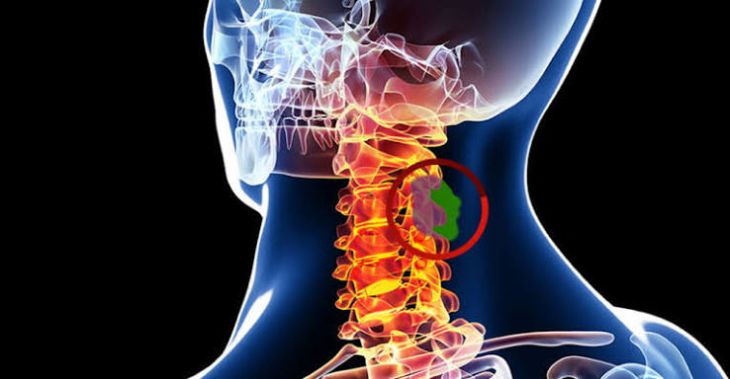
Can chordoma develop in the neck?
Yes. Chordoma can develop in the cervical spine, which is the neck portion of the spine. It may cause neck pain, weakness, numbness, or other nerve-related symptoms.
Is chordoma curable?
Some patients may achieve long-term disease control after complete surgery and appropriate additional treatment. However, recurrence is possible, so regular follow-up is necessary.
Is chordoma hereditary?
Most chordomas are not inherited. However, rare familial cases have been associated with inherited changes involving the TBXT gene.
Conclusion
Chordoma is a rare cancer that develops from leftover notochord cells along the skull base and spine. It usually grows slowly but can affect nearby bones, nerves, and important structures.
Persistent headaches, back pain, numbness, weakness, and bowel or bladder changes may occur depending on the tumor's location. MRI scans, CT scans, and biopsy help doctors confirm the diagnosis and plan treatment.