How Could 3D Bioprinting Support Future Tissue Repair and Regenerative Medicine?
What if damaged body tissues could one day be repaired using living cells and materials created by a special printer? This is the idea behind 3D bioprinting, an emerging technology being studied in tissue engineering and regenerative medicine.
Researchers are exploring how this technology could help create tissue-like structures for repairing injuries, replacing damaged areas, and developing more personalized medical treatments. Although many applications are still experimental, 3D bioprinting may become an important part of future healthcare.
What Is 3D Bioprinting?
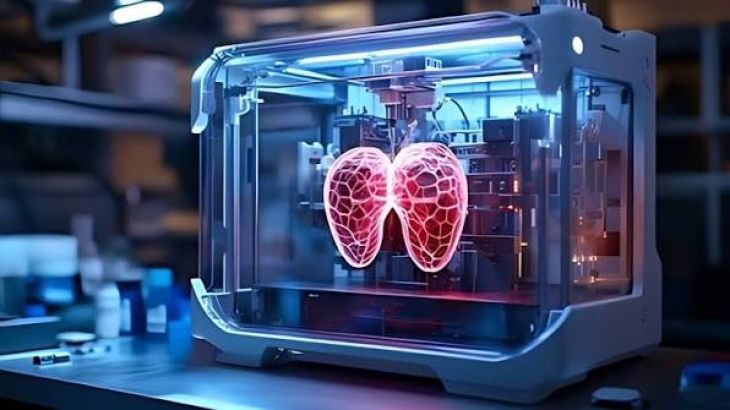
3D bioprinting is a process that uses computer-controlled equipment to place living cells, biomaterials, and other biological substances in carefully planned patterns.
Unlike ordinary 3D printing, which commonly uses plastic or metal, bioprinting may use special materials called bioinks. These bioinks can contain living cells and substances that provide a supportive environment for growth.
The printer builds a structure layer by layer. The goal is to create tissue-like shapes that resemble the natural structure of the body.
How Could 3D Bioprinting Help Repair Damaged Tissue?
When the body is injured, it tries to repair itself. However, some tissues have limited healing ability. Large injuries, severe burns, damaged cartilage, and certain diseases may require additional medical treatment.
3D bioprinting could help by creating structures that fill damaged areas and provide a framework for new tissue growth.
These printed structures may contain cells that can multiply, produce natural tissue materials, and gradually develop into more functional tissue.
The design can also be adjusted to match the shape and size of a particular injury.
What Materials Are Used in Bioprinting?
Researchers use different materials depending on the tissue they want to create.
Common materials include:
-
Hydrogels
-
Natural proteins
-
Biodegradable polymers
-
Stem cells
-
Growth-promoting substances
-
Other biocompatible materials
Hydrogels are often used because they contain a large amount of water and can create a soft environment that resembles parts of the body.
The material must be carefully selected so that it provides enough support while still allowing cells to survive and grow.
Could It Help Repair Skin and Burn Injuries?
Skin is one of the areas being studied for 3D bioprinting.
Severe burns and large wounds can damage the skin’s protective barrier. Researchers are exploring printed skin-like structures that may help cover wounds and encourage tissue repair.
A bioprinted structure could potentially be designed to match the shape of a wound. Some approaches also aim to include different cell types to recreate more than one layer of skin.
However, creating fully functional skin with blood vessels, nerves, and normal sensation remains a major challenge.
How Could It Help Bone and Cartilage Repair?
Bone and cartilage injuries are another important area of research.
Cartilage has limited natural healing ability because it receives little direct blood supply. Scientists are studying whether bioprinted scaffolds can help create an environment where cartilage cells grow and produce new tissue.
For bone repair, researchers are developing printed structures with spaces that allow cells and blood vessels to move through the material. These structures may eventually be used to help repair complex bone defects.
The printed material must be strong enough for the affected body area while also allowing natural healing to take place.
Could 3D Bioprinting Help Create Replacement Organs?
One long-term goal is to create functional tissues or organs for transplantation.
Researchers are studying bioprinting approaches for tissues such as the liver, kidneys, heart, lungs, and pancreas. The hope is that patient-specific cells could one day be used to create replacement tissues that reduce the need for donor organs.
However, printing a complete working organ is extremely difficult. Organs contain many different cell types, complex structures, blood vessels, nerves, and specialized functions.
At present, fully functional, transplant-ready printed organs are not available for routine medical use.
Could It Make Treatment More Personalized?
3D bioprinting may allow medical structures to be designed according to a patient’s individual needs.
Doctors could potentially use medical imaging to create a digital model of a damaged area. Researchers could then use that model to design a structure that fits the injury more closely.
Patient-specific cells may also be used in some research settings. This could help reduce differences between the printed tissue and the patient’s own biology.
Personalized bioprinting is still developing, and many technical and safety questions remain.
What Are the Main Challenges?
3D bioprinting has great potential, but several problems must be solved before it can be widely used.
One major challenge is vascularization, which means creating a network of blood vessels. Thick tissues need blood vessels to receive oxygen and nutrients and remove waste.
Other challenges include:
-
Keeping cells alive during printing
-
Creating strong but flexible tissue
-
Making printed tissues function normally
-
Connecting the new tissue with the body
-
Preventing immune reactions
-
Producing tissues consistently and safely
-
Meeting medical quality and regulatory requirements
Researchers are developing new bioinks, printing methods, and computer-based systems to address these problems.
FAQs
Is 3D bioprinting already used in hospitals?
Some 3D-printed medical products and tissue-engineering materials are used in healthcare, but many living-cell bioprinting applications remain experimental.
Can 3D bioprinting create a complete human organ?
Researchers are working toward this goal, but fully functional, transplant-ready printed organs are not currently available for routine treatment.
What is bioink?
Bioink is a material used in bioprinting. It may contain living cells, hydrogels, proteins, or other substances that help create a tissue-like structure.
Can 3D bioprinting help burn patients?
Researchers are studying bioprinted skin-like structures for wound and burn repair. However, creating fully functional skin remains a complex challenge.
Is 3D bioprinting safe?
Safety depends on the materials, cells, printing process, and intended medical use. Each application requires careful laboratory and clinical testing.
Conclusion
3D bioprinting could offer new possibilities for repairing damaged tissues and developing regenerative treatments. By placing living cells and biomaterials in carefully designed patterns, researchers hope to create structures that encourage tissue growth and restore lost function.