Understanding the Early Warning Signs of Stroke | Recognize Stroke Symptoms Quickly
A stroke is a serious medical emergency that occurs when the blood supply to a part of the brain is interrupted or significantly reduced. Without enough oxygen and nutrients, brain cells begin to die within minutes. Prompt recognition of the early warning signs of stroke and immediate medical treatment can greatly improve recovery and reduce the risk of permanent disability.
One of the main causes of death and permanent disability in the globe is stroke.. While anyone can experience a stroke, many cases can be prevented by managing risk factors such as high blood pressure, diabetes, high cholesterol, smoking, and an unhealthy lifestyle. Understanding the warning signs can help individuals act quickly and potentially save a life.
What Is a Stroke?
A stroke occurs when the brain does not receive enough blood to function properly. There are two main types of stroke:
Ischemic Stroke
This is the most prevalent kind of stroke, which happens when a blood clot obstructs an artery that supplies blood to the brain.
Hemorrhagic Stroke
This type occurs when a weakened blood vessel in the brain ruptures, causing bleeding within or around the brain.
Both types require immediate medical attention to minimize brain damage.
Why Early Recognition Is So Important
After blood flow is cut off, brain cells start to die minutes later. The longer treatment is delayed, the greater the risk of permanent brain injury, disability, or death.
Recognizing stroke symptoms early allows healthcare professionals to begin emergency treatment as quickly as possible, improving the chances of recovery.
Remember the phrase:
"Time is Brain."
Every minute counts during a stroke emergency.
Common Early Warning Signs of Stroke
Stroke symptoms usually appear suddenly and should never be ignored.
Sudden Weakness or Numbness
One of the most common warning signs is sudden weakness or numbness affecting:
The face
One arm
One leg
This usually occurs on one side of the body.
Face Drooping
A person experiencing a stroke may have one side of the face drooping or appearing uneven.
Ask the person to smile. If one side of the mouth does not move normally, seek emergency medical care immediately.
Difficulty Speaking or Understanding Speech
A stroke may affect the brain's language centers, causing:
Slurred speech
Difficulty speaking clearly
Trouble understanding others
Confusion while talking
Any sudden speech problem should be treated as a medical emergency.
Sudden Vision Problems
A stroke can affect vision in one or both eyes.
Symptoms may include:
Blurred vision
Double vision
Partial loss of vision
Complete loss of vision in one eye
Sudden vision changes should always be evaluated immediately.
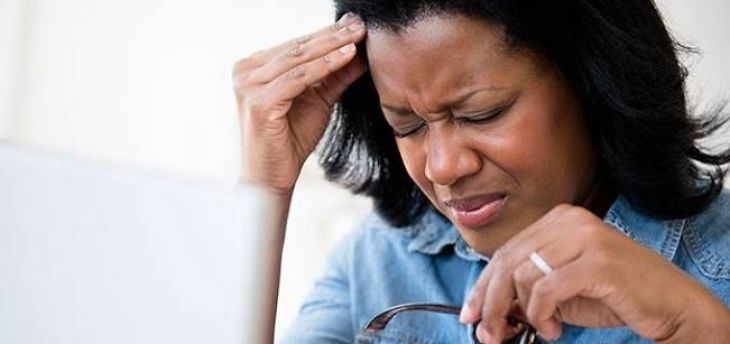
Severe Headache
A sudden, severe headache with no known cause may be a warning sign of a hemorrhagic stroke.
It may be accompanied by:
Nausea
Vomiting
Dizziness
Loss of consciousness
This symptom requires immediate emergency medical attention.
Difficulty Walking or Loss of Balance
Stroke can affect coordination and balance.
A person may experience:
Sudden dizziness
Trouble walking
Loss of balance
Poor coordination
These symptoms should never be ignored, especially if they occur suddenly.
Remember the FAST Warning Signs
Healthcare professionals recommend using the FAST method to recognize stroke symptoms quickly.
F – Face Drooping
Ask the person to smile. Does one side of the face droop?
A – Arm Weakness
Ask the person to raise both arms. Does one arm drift downward?
S – Speech Difficulty
Ask the person to repeat a simple sentence. Is the speech slurred or difficult to understand?
T – Time to Call Emergency Services
If any of these signs are present, seek emergency medical care immediately.
Early treatment can save brain tissue and improve recovery.
Who Is at Greater Risk of Stroke?
Several health conditions and lifestyle factors increase the likelihood of having a stroke.
Common risk factors include:
High blood pressure
High cholesterol
Diabetes
Smoking
Obesity
Physical inactivity
Heart disease
Atrial fibrillation (irregular heartbeat)
Excessive alcohol consumption
Family history of stroke
Increasing age
Managing these risk factors helps reduce the likelihood of stroke.
How to Reduce Your Risk of Stroke
Many strokes can be prevented through healthy lifestyle habits.
Control Blood Pressure
Keeping blood pressure within a healthy range is one of the most effective ways to reduce stroke risk.
Eat a Balanced Diet
Choose foods rich in:
Fruits
Vegetables
Whole grains
Lean proteins
Healthy fats
Limit salt, added sugars, and processed foods.
Stay Physically Active
Aim for at least 150 minutes of moderate-intensity physical activity each week to improve heart and blood vessel health.
Maintain a Healthy Weight
Healthy weight management lowers the risk of high blood pressure, diabetes, and heart disease.
Quit Smoking
Smoking damages blood vessels and significantly increases the risk of stroke.
Stopping tobacco use improves circulation and overall cardiovascular health.
Manage Diabetes and Cholesterol
Regular monitoring and proper treatment help protect blood vessels and reduce stroke risk.
Limit Alcohol Consumption
Drinking alcohol in moderation helps lower the risk of high blood pressure and stroke.
Attend Regular Health Checkups
Routine medical examinations help monitor:
Blood pressure
Cholesterol levels
Blood sugar
Heart rhythm
Overall cardiovascular health
Early detection allows timely treatment and prevention.
What to Do If You Suspect a Stroke
If someone shows signs of a stroke:
Call emergency medical services immediately.
Note the time when symptoms first appeared.
Keep the person calm and comfortable.
Do not give food, water, or medication unless instructed by healthcare professionals.
Stay with the person until medical help arrives.
Quick action can greatly improve the chances of recovery.
Long-Term Benefits of Stroke Prevention
Preventing stroke not only protects brain health but also improves overall quality of life.
Healthy lifestyle habits reduce the risk of:
Stroke
Heart disease
High blood pressure
Diabetes
Kidney disease
Cognitive decline
Maintaining good cardiovascular health supports healthy aging, better mobility, and greater independence throughout life.
Recognizing Stroke Warning Signs Can Save Lives
Stroke is a medical emergency that requires immediate attention. Recognizing early warning signs such as sudden weakness, facial drooping, speech difficulties, vision changes, severe headache, and loss of balance can make the difference between recovery and permanent disability.