The Delicate Balance: Understanding the Link Between Vitamin B12 and Cancer Risk
Few micronutrients are as essential to human life as Vitamin B12 (cobalamin). It acts as a critical spark plug for our fundamental biological machinery, keeping our nerves firing correctly, driving red blood cell production, and supporting the synthesis of our DNA.
Because our bodies cannot manufacture Vitamin B12 from scratch, we rely on dietary sources—primarily animal products like meat, fish, and dairy—or supplements to hit our daily requirements.
However, emerging epidemiological data has revealed a deeply complex, "U-shaped" relationship between Vitamin B12 levels and oncological health. When it comes to managing cancer risk, both a severe deficiency and an unmonitored excess of this vital nutrient can present significant clinical challenges.
The Biological Foundation: Why B12 Matters to Your DNA
To understand how a lack of Vitamin B12 influences malignancy, we must look at how cells replicate. At the microscopic level, Vitamin B12 acts as an indispensable coenzyme for a process known as one-carbon metabolism. This metabolic pathway is directly responsible for nucleotide synthesis (building the blocks of DNA) and methylation reactions, which act as the "on and off" switches for our genes.
When a person experiences a chronic Vitamin B12 deficiency, this pathway stalls. Without sufficient cobalamin, the body struggles to properly utilize folate, leading to a functional block in DNA synthesis. This disruption has two major consequences for cancer development:
-
Uracil Misincorporation: When DNA cannot replicate smoothly, the body accidentally substitutes uracil (a base normally reserved for RNA) into the DNA strand instead of thymine. When the cell attempts to repair this mistake, it frequently causes chromosome breaks and severe genetic instability.
-
Hypomethylation: A shortage of B12 reduces the availability of S-adenosylmethionine (SAMe), the primary methyl donor in the body. Without adequate methylation, certain proto-oncogenes—genes that have the potential to cause cancer if mutated—can become permanently switched "on."
How Vitamin B12 Deficiency Elevates Cancer Risk
When DNA copying mechanisms break down due to low B12, genetic mutations can quietly accumulate over years, significantly increasing vulnerability to specific malignancies.
Gastric and Esophageal Cancers:
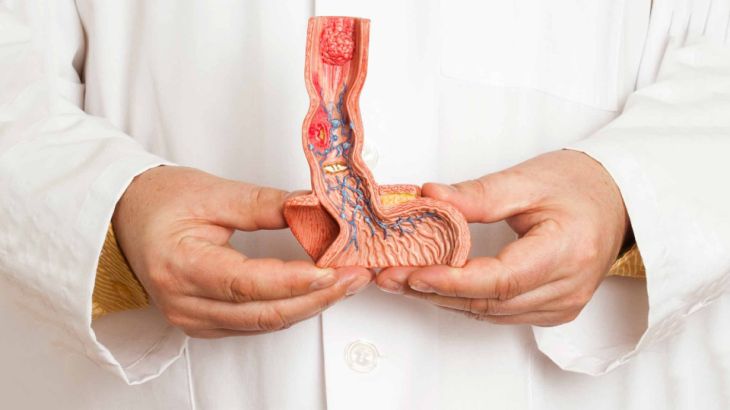
The clearest historical connection between low B12 and cancer lies within the stomach. Pernicious anemia—an autoimmune condition where the body attacks the gastric parietal cells responsible for producing intrinsic factor (the protein required to absorb B12)—causes severe vitamin deficiency. Over time, the chronic inflammation and gastric atrophy associated with this condition substantially raise the risk of developing gastric adenocarcinomas.
Colorectal Cancer
Because the lining of the colon undergoes rapid cellular turnover, it is highly sensitive to DNA replication errors. Populations with chronically low B12 intake show a higher statistical susceptibility to colorectal malignancies, as the lack of genetic stabilization allows pre-cancerous polyps to mutate and advance more aggressively.
Hematological Complications
A severe deficiency impairs bone marrow function, causing megaloblastic anemia (where red blood cells grow abnormally large and fail to divide properly). While this is a benign hematological condition, the long-term bone marrow stress and altered immune microenvironment can complicate the body’s natural tumor surveillance mechanisms.
The Double-Edged Sword: When B12 Levels Climb Too High
While maintaining adequate B12 levels is defensive, data shows that more is not always better. Clinical studies have frequently identified a puzzling counter-trend: abnormally high serum Vitamin B12 levels (>800 pg/mL) are heavily associated with an increased incidence of solid tumors, including lung and liver cancers.
This paradox has forced researchers to differentiate between dietary consumption and blood biomarkers. It is highly uncommon for a healthy individual to develop cancer simply by eating B12-rich foods. Instead, a spike in circulating B12 is often a consequence of an underlying illness rather than its initial cause—a phenomenon known as reverse causality.
When an active tumor is growing, it disrupts the body’s internal chemistry. Aggressive malignancies can cause the liver (which stores up to 90% of the body’s B12) to leak the vitamin directly into the bloodstream. Additionally, certain tumor cells actively secrete high levels of transcobalamin, the transport protein that binds to B12, causing blood tests to show a false surge in total vitamin levels even if the patient's cells are functionally starving.
Navigating Supplementation Safely
Because B12 is water-soluble, many assume that taking mega-doses carries zero risk. However, recent clinical reviews suggest that long-term, high-dose supplementation (over 500 μg/day) without a diagnosed medical need may inadvertently support existing pre-cancerous cells, which rely on the nutrient to fuel their own rapid, unchecked replication.
Achieving a healthy balance requires a targeted approach based on your individual health profile and dietary habits:
-
Prioritize Dietary Sources First: For individuals with normal gastrointestinal absorption, getting B12 through natural food sources like eggs, fish, poultry, and dairy provides a safe, steady intake that supports DNA stability without overwhelming the bloodstream.
-
Identify At-Risk Populations: Vegans, strict vegetarians, older adults, and individuals taking long-term medications like metformin or proton pump inhibitors (PPIs) face a genuinely high risk of malabsorption and require deliberate supplementation.
-
Avoid Unnecessary Megadoses: Unless correcting a clinically diagnosed deficiency or pernicious anemia under medical supervision, stay close to the recommended dietary allowance (RDA) of 2.4 to 2.8 micrograms per day.
-
Investigate Unexplained High Readings: If a routine blood panel reveals highly elevated B12 levels without any history of high-dose supplementation, it should not be brushed aside; it warrants a thorough medical evaluation to rule out underlying hepatic or oncological issues.
Ultimately, Vitamin B12 behaves much like any other critical micronutrient: the relationship to human health is defined by equilibrium. Protecting yourself from cancer risk does not mean avoiding B12 out of fear, nor does it mean loading up on high-dosage pills. The smartest approach is to maintain steady, physiological levels—ensuring your cells have exactly what they need to replicate safely, accurately, and efficiently.