How Exercise Protects Your Heart | Benefits of Physical Activity for Heart Health
Regular physical activity is one of the most effective ways to protect your heart and improve overall health. Exercise strengthens the heart muscle, improves blood circulation, helps maintain a healthy weight, and lowers the risk of developing cardiovascular disease. Whether it's walking, cycling, swimming, or strength training, staying active supports the heart's ability to function efficiently throughout life.
Understanding the Heart's Role
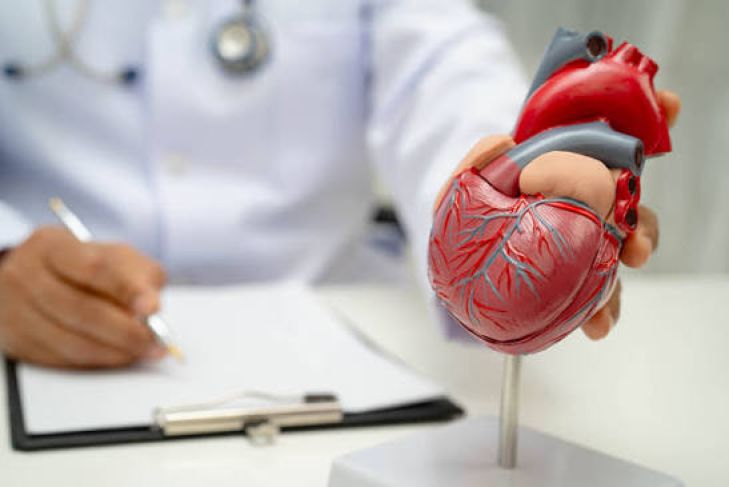
The heart is a powerful muscle responsible for pumping oxygen-rich blood throughout the body. It supplies oxygen and nutrients to every organ and removes waste products through the circulatory system.
Like any other muscle, the heart becomes stronger and more efficient with regular exercise. A stronger heart pumps blood more effectively, requiring less effort to circulate blood throughout the body.
Maintaining good cardiovascular fitness helps support healthy blood vessels, proper circulation, and long-term heart function.
Why Exercise Is Essential for Heart Health
Regular exercise provides numerous benefits that directly improve cardiovascular health.
Physical activity helps:
Strengthen the heart muscle
Improve blood circulation
Lower blood pressure
Improve cholesterol levels
Control blood sugar
Reduce inflammation
Support healthy body weight
Reduce stress
Improve overall cardiovascular fitness
These combined benefits greatly reduce the risk of developing heart disease.
How Exercise Strengthens the Heart
During physical activity, the heart beats faster to supply working muscles with oxygen-rich blood. Over time, regular exercise improves the heart's strength and efficiency.
A stronger heart:
Pumps more blood with each heartbeat
Requires fewer beats to circulate blood
Delivers oxygen more efficiently
Reduces strain on the cardiovascular system
As a result, the resting heart rate often decreases, indicating improved heart fitness.
Exercise Helps Control Blood Pressure
High blood pressure is a major risk factor for heart disease and stroke. Regular exercise helps blood vessels remain flexible, allowing blood to flow more easily.
Physical activity lowers blood pressure by:
Improving blood vessel function
Reducing stiffness in the arteries
Enhancing circulation
Lowering the workload on the heart
Combined with a healthy diet, regular exercise can significantly improve blood pressure management.
Improving Cholesterol Levels Through Exercise
Exercise positively affects cholesterol by increasing high-density lipoprotein (HDL), often called "good cholesterol," while helping lower low-density lipoprotein (LDL) or "bad cholesterol."
Healthy cholesterol levels help:
Reduce plaque buildup in arteries
Improve blood flow
Lower the risk of coronary artery disease
Prevent heart attacks and strokes
Regular physical activity is an important part of maintaining a healthy cholesterol balance.
Exercise Supports Healthy Weight Management
Maintaining a healthy weight reduces the strain placed on the heart.
Exercise helps:
Burn calories
Build lean muscle
Reduce body fat
Improve metabolism
When combined with balanced nutrition, regular physical activity supports long-term weight management and reduces the risk of obesity-related heart disease.
Exercise Helps Regulate Blood Sugar
Regular physical activity improves the body's ability to use insulin efficiently, helping maintain healthy blood sugar levels.
Better blood sugar control lowers the risk of developing type 2 diabetes, a condition that significantly increases the risk of cardiovascular disease.
Managing diabetes through exercise also helps protect blood vessels and reduces long-term heart complications.
Exercise Reduces Stress and Improves Mental Well-Being
Chronic stress can negatively affect heart health by increasing blood pressure, heart rate, and unhealthy lifestyle behaviors.
Exercise naturally reduces stress by releasing endorphins, often called the body's "feel-good" hormones.
Regular physical activity can:
Improve mood
Reduce anxiety
Lower stress levels
Improve sleep quality
Boost overall mental well-being
A healthy mind contributes to a healthier heart.
Types of Exercise That Benefit the Heart
A variety of physical activities can improve cardiovascular health.
Aerobic Exercise
Activities that increase heart rate include:
Brisk walking
Jogging
Cycling
Swimming
Dancing
Aerobic exercise strengthens the heart and improves endurance.
Strength Training
Resistance exercises help:
Build muscle
Improve metabolism
Support healthy weight
Improve blood sugar control
Strength training should be included at least twice a week.
Flexibility and Balance Exercises
Activities such as:
Yoga
Stretching
Tai Chi
improve flexibility, balance, posture, and stress management while complementing cardiovascular exercise.
How Much Exercise Is Recommended?
Health experts recommend that adults aim for:
At least 150 minutes of moderate-intensity aerobic exercise each week, or
75 minutes of vigorous-intensity exercise weekly
Additionally, muscle-strengthening activities should be performed on two or more days each week.
Even short periods of activity throughout the day can contribute to better heart health.
Simple Ways to Stay Active Every Day
Staying active doesn't always require a gym membership.
Easy ways to increase daily physical activity include:
Taking the stairs instead of the elevator
Walking during breaks
Cycling for short trips
Gardening
Household chores
Playing outdoor games
Stretching regularly
Standing and moving after long periods of sitting
Small daily habits can make a big difference over time.
Who Should Talk to a Healthcare Provider Before Exercising?
Most people can safely begin moderate exercise, but individuals with certain health conditions should consult a healthcare provider before starting a new fitness program.
This includes people with:
Existing heart disease
High blood pressure
Diabetes
Chest pain
Shortness of breath
Previous heart attack
Chronic medical conditions
A healthcare professional can recommend an exercise plan that matches individual health needs.
Long-Term Benefits of Regular Exercise
Maintaining an active lifestyle provides lifelong health benefits.
Regular exercise helps reduce the risk of:
Heart disease
Heart attack
Stroke
High blood pressure
Type 2 diabetes
Obesity
It also supports:
Better circulation
Increased energy
Improved physical fitness
Stronger muscles and bones
Better mental health
Healthier aging
Improved quality of life
Consistent physical activity remains one of the most effective ways to maintain lifelong cardiovascular health.
Exercise Is One of the Best Gifts You Can Give Your Heart
Regular exercise is a powerful tool for protecting the heart and improving overall health. By strengthening the heart muscle, improving circulation, lowering blood pressure, managing cholesterol, controlling blood sugar, and reducing stress, physical activity significantly lowers the risk of cardiovascular disease.