Smoking and Heart Disease: Dangers, Impact, and Prevention
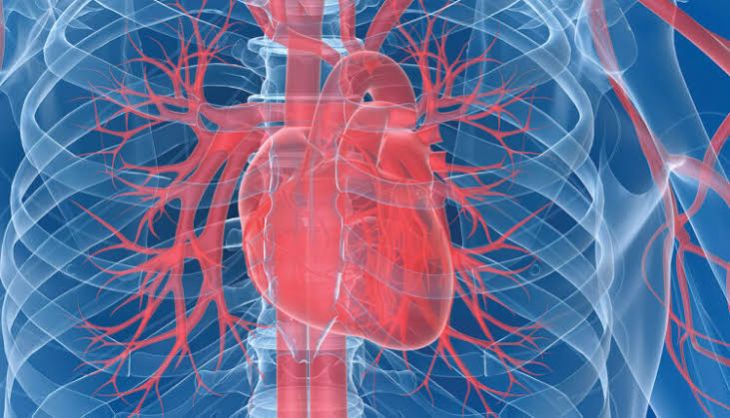
Across the globe, smoking stands among the top avoidable drivers of heart conditions and early mortality. Toxic compounds in tobacco fumes injure the heart, the circulatory system, and the lungs, sharply raising the chance of cardiovascular illness. No matter if someone uses cigarettes, cigars, or another form of tobacco, the habit can cause severe and enduring harm to cardiac well-being.
Heart problems linked to smoking may emerge slowly over the years while giving little to no clear warning. It encourages fatty material to accumulate in arteries, lowers blood oxygen, elevates pressure levels, and heightens the chance of clot formation. Thankfully, stopping smoking can quickly boost heart function and decrease the likelihood of major cardiovascular events. To make smart daily choices and safeguard future health, it is important to grasp how smoking and heart disease are connected.
How Smoking Affects the Heart
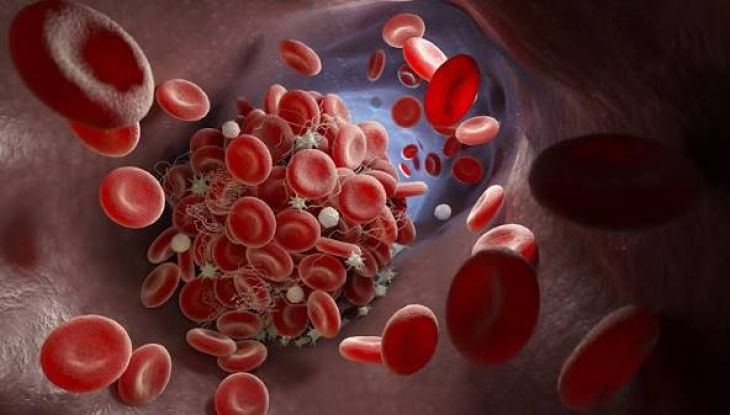
When a person smokes, the body takes in thousands of damaging substances, such as nicotine and carbon monoxide. They harm the inner vessel surface, increasing the tendency for plaque to form, which is called atherosclerosis.
By tightening blood vessels, nicotine speeds the pulse and pushes blood pressure upward, making the heart exert more effort. Carbon monoxide limits how much oxygen the bloodstream can transport, adding extra load on the heart. With time, these changes can impair the cardiovascular system and make heart disease more likely.
In addition, smoking heightens inflammation and supports clot development, which can trigger heart attacks and strokes.
Risk Factors Associated with Smoking
For many cardiovascular disorders, smoking serves as a key contributor to risk. People who smoke often face a far greater chance of developing coronary artery disease, heart attacks, strokes, peripheral artery disease, and heart failure.
That danger rises further when smoking occurs alongside issues like elevated blood pressure, high cholesterol, diabetes, excess weight, low activity levels, or inherited heart disease risk. Non-smokers can also see increased cardiovascular risk from breathing in secondhand smoke.
Risk of serious heart trouble increases as smoking continues longer and as tobacco use becomes heavier.
Signs and Symptoms of Smoking-Related Heart Disease
In its initial phases, heart disease tied to smoking can produce no noticeable signs. As it advances, a person may start feeling chest discomfort, breathlessness, tiredness, lightheadedness, or uneven heart rhythm.
Additional red flags can include aching in the arms, neck, jaw, or back, swelling of the legs or feet, and a decreased capacity for physical tasks. In extreme situations, smoking-related heart disease can lead to a heart attack or an unexpected cardiac arrest.
If symptoms point toward heart disease, prompt medical assessment is crucial to lower the chance of deadly complications.
Diagnosis and Treatment Options
To identify heart disease associated with smoking, physicians rely on a range of examinations. Options can involve ECGs, echocardiograms, exercise stress testing, blood work, coronary angiography, CT imaging, and cardiac MRI.
Care is based on how advanced the disease is. The central treatment step is changing habits, with quitting smoking as the priority. Doctors may also use medicines to manage blood pressure, cholesterol, and clotting, or to support heart performance.
Certain individuals may need interventions like angioplasty with a stent or coronary bypass surgery to reestablish healthy blood movement to the heart. Finding the condition early and treating it without delay can greatly improve long-term results.
Prevention and Healthy Lifestyle Choices
To prevent heart disease tied to smoking, the best approach is to stay away from tobacco or to stop as soon as possible. After quitting, circulation can start improving within weeks, and the risk of heart disease drops markedly as time goes on.
Heart health also benefits from a nutritious eating pattern, consistent exercise, stress control, keeping a healthy body weight, moderating alcohol use, and getting routine medical visits.
Help from clinicians, quit-smoking programs, counseling services, and nicotine replacement products can support people in quitting successfully and sustaining a life without tobacco.
Conclusion
Keeping Your Heart Safe Through a Smoke-Free Life
Smoking ranks as one of the biggest contributors to heart disease, yet it is also among the most avoidable. No matter the age, giving up smoking can strongly enhance heart health and cut the risk of severe cardiovascular problems. Through healthier routines, getting medical help when appropriate, and steering clear of tobacco, people can safeguard their hearts and live longer, healthier, and more active lives.