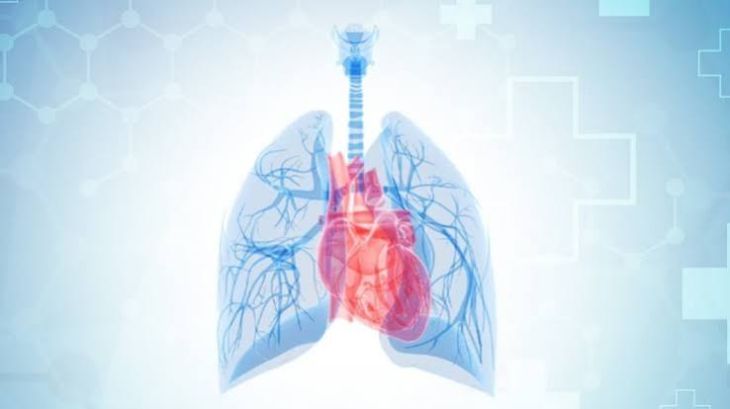
Sleep and Its Impact on Heart Health
Sleep is one of the most important things your body needs for staying healthy and feeling good.
While many people think about diet and exercise when it comes to heart health, getting good sleep is just as important for keeping your heart and blood vessels in good shape.During sleep, your body gets a chance to rest and repair itself.Your heart and blood vessels take a break from the daily stress of movement and activity, allowing them to recover.If you don't get enough sleep or if your sleep isn't good quality, it can affect many important body functions, like how your blood pressure is controlled, how your hormones work, how your metabolism runs, and how well your immune system functions.Over time, staying up late or not sleeping well can increase your risk of serious heart problems, such as high blood pressure, stroke, heart rhythm issues, and heart disease.In today's fast-paced world, long work hours, stress, too much screen time, and unhealthy routines often mess up your sleep patterns.Understanding how sleep relates to heart health helps people realize why getting enough good sleep is an important part of staying healthy for the long term and avoiding serious health problems.
Why The Heart Needs Proper Sleep Recovery
The heart never stops working.
It beats all the time, moving blood through your body every second.During sleep, your heart rate naturally slows down, giving your cardiovascular system a break.This time for rest helps your heart recover from the strain it experiences during the day.Your blood pressure also goes down during deep sleep, which helps your blood vessels relax after being under constant pressure throughout the day.When you don't get enough sleep, your body stays in a stressed state for longer, making your heart work harder than it should.Sleep also helps keep your hormones in balance.Important hormones that control inflammation, blood sugar, and metabolism stay balanced during rest.If you don't get enough sleep, these systems can get messed up, which indirectly affects how well your heart works.Having good sleep habits helps your heart function better and reduces the extra strain on your blood vessels, making it easier for your cardiovascular system to keep you healthy.
How Poor Sleep Increases Cardiovascular Risks
Lack of sleep can greatly increase your chances of developing heart problems.
One of the biggest risks from poor sleep is high blood pressure.When you don't get enough sleep, stress hormones stay high, which makes blood pressure levels rise.This extra pressure puts more strain on your heart and arteries over time.Poor sleep can also impact your metabolism and lead to weight gain.When you don't sleep well, your body produces more hunger-related hormones, making you more likely to eat unhealthy foods and take in too many calories.Obesity is already a big risk factor for heart disease, and not getting enough sleep makes this worse.Inflammation can also go up when you don't get enough restful sleep.Chronic inflammation can damage your blood vessels and increase the risk of plaque forming in your arteries, which can lead to heart attacks or strokes.Studies have shown that adults who regularly sleep fewer hours than recommended are more likely to experience heart-related issues compared to those who maintain healthy sleep patterns over a long period.
Sleep Disorders That Affect Heart Function
Some sleep disorders directly impact your heart health and are often not noticed for a long time.
One serious condition is obstructive sleep apnea, which causes your breathing to stop repeatedly during sleep.This stops oxygen from getting to your body properly and makes your heart work harder.Each time your breathing stops, your body responds with stress, which can increase blood pressure and put more pressure on your heart and blood vessels.If left untreated, sleep apnea can lead to high blood pressure, irregular heartbeat, heart failure, or stroke.Another common condition is insomnia, where people have trouble falling asleep or staying asleep.This can lead to constant tiredness and higher levels of stress hormones.Other conditions like restless leg syndrome or problems with your body's natural sleep-wake cycle can also disturb your sleep and reduce your body's ability to recover.Many people ignore these sleep problems because the symptoms come on slowly.Catching these issues early and getting the right treatment is important, as fixing sleep disorders can greatly improve heart health and reduce the risk of future heart problems.
Building Healthy Sleep Habits For Better Heart Protection
Improving your sleep is one of the best lifestyle changes you can make for protecting your heart long-term. interfere with the hormone that makes you sleepy.Avoiding heavy meals, caffeine, and other stimulants in the evening also improves sleep quality.Creating a quiet and comfortable sleep environment with the right temperature helps you get deeper sleep.Getting regular exercise during the day can improve your sleep at night while also strengthening your heart.Managing stress with things like meditation, deep breathing, or relaxation exercises can help prevent sleep issues caused by anxiety.If you have ongoing sleep problems, it's important to see a doctor.Good sleep habits not only help you feel more energized and focused during the day, but they also offer long-term protection against serious heart diseases and help you live a healthier, better life.
Conclusion
Getting enough good-quality sleep is essential for protecting your heart.
It helps control your blood pressure, reduces strain on your cardiovascular system, and prevents long-term heart health issues.