Role of Curcumin in Preventing Cancer Development
Cancer remains one of the most significant health challenges worldwide, affecting millions of people every year. While advances in medical research and treatment have improved outcomes for many patients, there is also growing interest in understanding how diet and natural compounds may contribute to disease prevention. Among the many plant-based substances studied for their potential health benefits, curcumin has attracted considerable attention. Curcumin is the primary active compound found in turmeric, a spice commonly used in Asian cuisine and traditional wellness practices. Its powerful antioxidant and anti-inflammatory properties have led researchers to investigate its potential role in preventing cancer development.
Although curcumin is not a cure for cancer and should never replace medical treatment, scientific studies suggest that it may influence several biological processes associated with the development and progression of cancer. By supporting cellular health and helping the body manage oxidative stress and inflammation, curcumin has become one of the most widely researched natural compounds in the field of preventive health.
Understanding Cancer Development
Cancer develops when normal cells undergo genetic changes that cause them to grow and divide uncontrollably. In healthy tissues, cell growth is tightly regulated. Old or damaged cells are replaced through carefully controlled processes. However, when genetic mutations occur, cells may begin multiplying without restraint, eventually forming tumors and potentially spreading to other parts of the body.
Many factors can contribute to cancer development, including:
-
Genetic predisposition
-
Tobacco use
-
Excessive alcohol consumption
-
Environmental pollutants
-
Chronic inflammation
-
Poor dietary habits
-
Obesity
-
Exposure to harmful radiation
Because cancer often develops over many years, researchers are interested in identifying lifestyle and nutritional factors that may help reduce risk. Curcumin is one such compound that has shown promise in laboratory and observational studies.
What Is Curcumin?
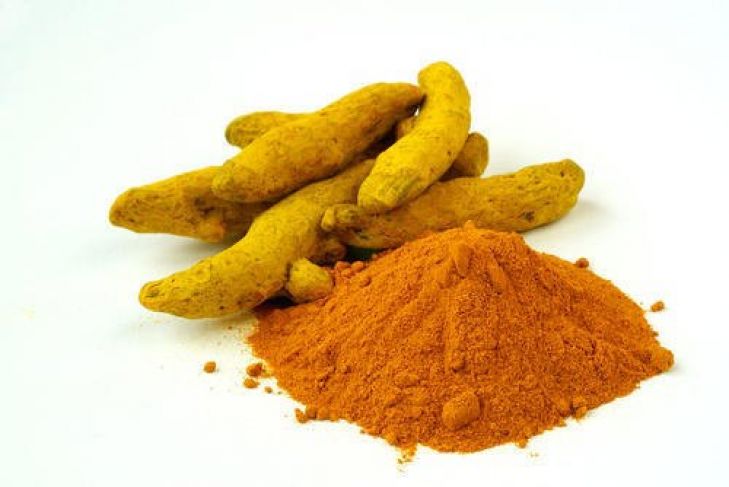
Curcumin is a natural polyphenol found in turmeric (Curcuma longa). It is responsible for the spice’s distinctive yellow-orange color and many of its health-related properties. For centuries, turmeric has been used in traditional systems of medicine, particularly in India and other parts of Asia.
Modern scientific research has revealed that curcumin possesses multiple biological activities. Its ability to act as both an antioxidant and an anti-inflammatory compound makes it especially interesting in the context of cancer prevention. Since oxidative stress and chronic inflammation are closely linked to cancer development, curcumin’s influence on these processes has become a major area of study.
Curcumin and Oxidative Stress
One of the ways curcumin may help support cancer prevention is through its antioxidant activity. The body naturally produces molecules called free radicals during normal metabolic processes. Environmental factors such as pollution, smoking, and ultraviolet radiation can also increase free radical production.
When free radicals accumulate in excessive amounts, they can damage DNA, proteins, and cell membranes. This condition, known as oxidative stress, may contribute to genetic mutations that increase cancer risk.
Curcumin helps by:
-
Neutralizing harmful free radicals
-
Supporting the body's natural antioxidant defenses
-
Protecting cells from oxidative damage
-
Promoting overall cellular health
-
Helping maintain the integrity of genetic material
By reducing oxidative stress, curcumin may help create a healthier environment for cells and tissues.
Role in Managing Chronic Inflammation
Inflammation is a natural protective response that helps the body heal after injury or infection. However, when inflammation becomes chronic, it can contribute to tissue damage and increase the likelihood of abnormal cell growth.
Researchers have identified chronic inflammation as a contributing factor in several types of cancer. Long-term inflammatory activity can affect cellular signaling, damage DNA, and create conditions that support tumor development.
Curcumin has been extensively studied for its ability to influence inflammatory pathways. It may help support the body's natural mechanisms for maintaining a balanced inflammatory response. While more research continues, this property is considered one of the key reasons curcumin is being explored in cancer prevention studies.
Supporting Healthy Cell Function
Healthy cells follow a structured life cycle. They grow, perform their functions, and eventually die when they are no longer needed. Cancer cells differ because they often avoid these natural controls and continue multiplying.
Laboratory studies suggest that curcumin may influence several cellular processes related to growth regulation. Researchers have observed that curcumin can interact with molecules involved in cell signaling and communication. These interactions may help support normal cellular behavior and reduce the likelihood of abnormal growth patterns.
Potential cellular benefits associated with curcumin include:
-
Supporting normal cell cycle regulation
-
Encouraging healthy cellular communication
-
Promoting balanced tissue function
-
Helping maintain DNA stability
-
Supporting natural cellular defense mechanisms
These findings continue to be explored through ongoing scientific research.
Impact on the Tumor Environment
Cancer development is influenced not only by abnormal cells but also by the environment surrounding them. Scientists refer to this as the tumor microenvironment. Factors such as inflammation, blood vessel formation, and immune system activity can affect whether abnormal cells thrive or are eliminated.
Research suggests that curcumin may influence several aspects of this environment. By supporting healthy inflammatory responses and promoting overall cellular balance, curcumin may contribute to conditions that are less favorable for the survival and growth of abnormal cells.
Although these findings are promising, researchers emphasize that much of the evidence comes from laboratory and preclinical studies. Human studies continue to investigate the extent of these effects.
Curcumin and Lifestyle-Based Prevention
Cancer prevention involves many interconnected factors. No single food, spice, or supplement can guarantee protection against cancer. However, a healthy lifestyle can significantly reduce risk.
Curcumin can be part of a broader prevention strategy that includes:
-
Eating a balanced diet rich in fruits and vegetables
-
Maintaining a healthy weight
-
Exercising regularly
-
Avoiding tobacco products
-
Limiting alcohol consumption
-
Managing stress effectively
-
Getting regular health screenings
When combined with these healthy habits, turmeric and curcumin may contribute to overall wellness and support long-term health.
Challenges and Future Research
While curcumin has shown considerable promise, researchers also recognize certain limitations. One challenge is its relatively low absorption in the body when consumed alone. Scientists continue to explore improved formulations that enhance bioavailability and allow curcumin to be utilized more effectively.
Additionally, many studies have been conducted in laboratory settings or animal models. Although human research is growing, further large-scale clinical studies are needed to fully understand curcumin’s role in cancer prevention and its practical applications.
The ongoing interest in curcumin reflects the broader scientific effort to identify natural compounds that may support health and reduce disease risk.
Conclusion
Curcumin has emerged as one of the most extensively studied natural compounds for its potential role in preventing cancer development. Through its antioxidant properties, support for healthy inflammatory responses, and influence on cellular processes, curcumin may help create conditions that promote cellular health and reduce factors associated with cancer risk. While it is not a substitute for medical treatment or a guaranteed method of prevention, its inclusion in a balanced diet can contribute to overall wellness. As research continues to uncover more about this remarkable compound, curcumin remains an important example of how natural dietary components may play a supportive role in long-term health and disease prevention.