Early Signs of Heart Disease Everyone Should Know | Recognize Heart Disease Symptoms Early
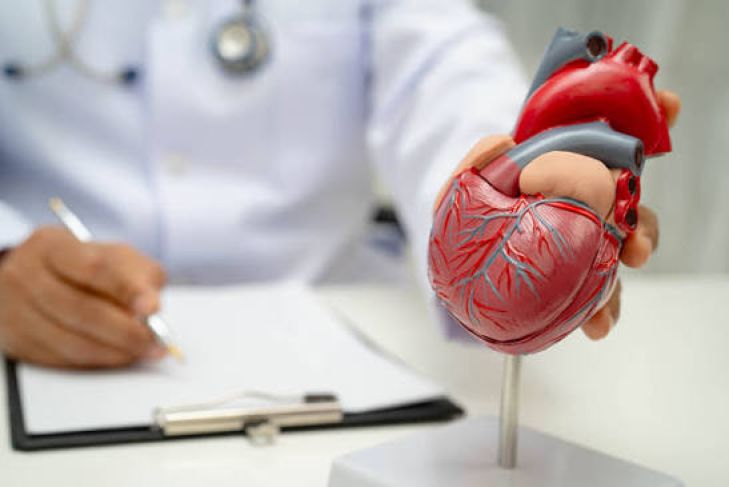
Heart disease is one of the leading causes of illness and death worldwide, but many serious heart conditions develop gradually and often present early warning signs before becoming life-threatening. Recognizing these symptoms early can help individuals seek timely medical care, reduce the risk of complications, and improve long-term heart health.
Understanding Heart Disease
Heart disease is a general term that refers to several conditions affecting the heart and blood vessels. These include:
Coronary artery disease
Heart failure
Heart rhythm disorders (arrhythmias)
Heart valve disease
Congenital heart defects
Most forms of heart disease develop gradually due to factors such as high blood pressure, high cholesterol, diabetes, obesity, smoking, physical inactivity, and family history.
Why Recognizing Early Symptoms Matters
Heart disease rarely develops overnight. In many cases, the body begins showing warning signs weeks, months, or even years before a major cardiac event occurs.
Recognizing symptoms early can help:
Prevent heart attacks
Reduce the risk of heart failure
Improve treatment outcomes
Prevent permanent heart damage
Increase life expectancy
Ignoring persistent symptoms may delay diagnosis and allow heart disease to worsen over time.
Common Early Signs of Heart Disease
Although symptoms vary from person to person, several warning signs should never be ignored.
Chest Pain or Discomfort
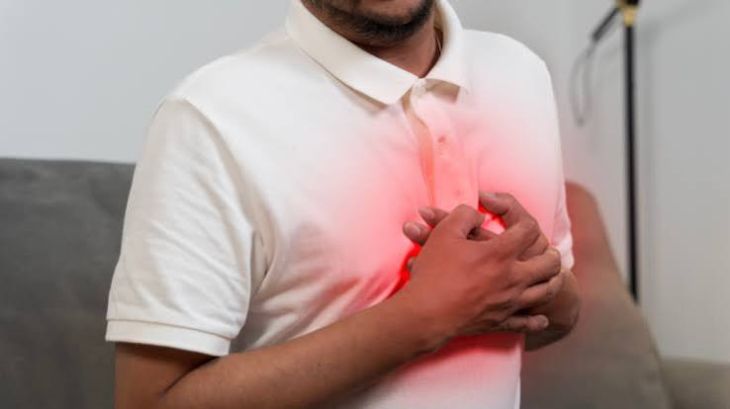
One of the most prevalent symptoms of heart disease is chest pain. It could feel like:
Pressure
Tightness
Squeezing
Burning
Heaviness
Some people experience pain only during physical activity or emotional stress, while others may notice discomfort even at rest.
Persistent or severe chest pain requires immediate medical attention.
Shortness of Breath
Difficulty breathing during routine activities or while lying down may indicate that the heart is not pumping blood efficiently.
Shortness of breath may occur:
While walking
Climbing stairs
Exercising
During rest
At night while sleeping
This symptom should not be ignored, especially when combined with chest discomfort or fatigue.
Unusual Fatigue
Feeling unusually tired despite adequate rest may be an early sign of heart disease.
When the heart cannot pump blood efficiently, muscles and organs receive less oxygen, leading to:
Constant tiredness
Reduced stamina
Difficulty performing daily activities
Lack of energy
Persistent fatigue, particularly in women, may appear weeks before a heart attack.
Pain in Other Parts of the Body
Not all heart-related pain is confined to the chest.
Discomfort may spread to the:
Left arm
Right arm
Shoulders
Neck
Jaw
Upper back
This type of pain may come and go and can sometimes be mistaken for muscle strain.
Irregular Heartbeat or Palpitations
Occasional changes in heartbeat are common, but frequent palpitations or irregular rhythms may signal an underlying heart condition.
Symptoms include:
Racing heartbeat
Fluttering sensation
Skipped beats
Pounding heartbeat
If accompanied by dizziness, fainting, or chest pain, immediate medical evaluation is necessary.
Swelling in the Legs, Ankles, or Feet
Fluid buildup caused by poor heart function may lead to swelling in the lower body.
This occurs because the heart cannot circulate blood effectively, allowing fluid to accumulate in the tissues.
It is always advisable to speak with a healthcare professional about persistent swelling.
Dizziness or Fainting
Reduced cerebral blood flow may result in:
Lightheadedness
Dizziness
Fainting
Loss of balance
These symptoms may indicate abnormal heart rhythms or reduced heart function and require prompt medical assessment.
Cold Sweats and Nausea
Unexpected cold sweats, nausea, or vomiting—especially when combined with chest discomfort or shortness of breath—can be warning signs of a heart attack.
These symptoms are often more common in women and older adults.
Risk Factors That Increase the Chance of Heart Disease
The risk of heart disease is increased by a number of variables.
These include:
High blood pressure
High cholesterol
Diabetes
Obesity
Smoking
Physical inactivity
Unhealthy diet
Excessive alcohol consumption
Chronic stress
Family history of heart disease
Increasing age
Managing these risk factors plays a key role in preventing cardiovascular disease.
When Should You Seek Medical Attention?
Immediate medical care should be sought if you experience:
Severe chest pain
Pain in the chest that lasts more than a few minutes
Shortness of breath with chest discomfort
Sudden dizziness or fainting
Pain spreading to the arm, jaw, neck, or back
Cold sweats accompanied by chest discomfort
Prompt treatment during a cardiac emergency can save heart muscle and improve survival.
How to Reduce Your Risk of Heart Disease
Healthy lifestyle choices significantly reduce the risk of developing heart disease.
Eat a Heart-Healthy Diet
Choose foods rich in:
Fruits
Vegetables
Whole grains
Lean proteins
Healthy fats
Reduce your intake of processed foods, sugar, salt, and saturated fats.
Stay Physically Active
Adults should aim for at least 150 minutes of moderate-intensity exercise each week.
Activities such as walking, cycling, swimming, and strength training support heart health.
Maintain a Healthy Weight
Maintaining a healthy weight reduces strain on the heart and lowers the risk of high blood pressure, diabetes, and high cholesterol.
Avoid Smoking
Quitting smoking is one of the most effective ways to improve cardiovascular health.
Manage Stress
Practicing relaxation techniques such as meditation, yoga, deep breathing, or mindfulness helps reduce stress and supports a healthy heart.
Schedule Regular Health Checkups
Routine health screenings help monitor:
Blood pressure
Cholesterol levels
Blood sugar
Heart function
Early diagnosis allows treatment before serious complications develop.
The Importance of Listening to Your Body
Many people dismiss early heart disease symptoms as normal aging, stress, or fatigue. However, paying attention to persistent or unusual symptoms can prevent serious cardiovascular events.
Even mild symptoms deserve medical evaluation if they continue or become more frequent. Better long-term results and more successful therapy are frequently the results of early diagnosis.
Recognizing Early Signs Can Save Lives
Heart disease often begins with subtle warning signs that should never be ignored. Symptoms such as chest discomfort, shortness of breath, unusual fatigue, irregular heartbeat, dizziness, and swelling may indicate an underlying heart condition that requires medical attention.
By recognizing these early signs, adopting a heart-healthy lifestyle, and attending regular medical checkups, individuals can significantly reduce their risk of serious cardiovascular disease. Taking action at the first sign of a problem not only protects heart health but alsosupports a longer, healthier, and more active life.