Prostate Cancer Treatment Options: Understanding Modern Approaches to Care
Prostate cancer is one of the most commonly diagnosed cancers in men, especially those over 50.
It starts in the prostate gland, a small organ under the bladder that makes seminal fluid.In many cases, it grows slowly and may stay in the prostate for years without causing problems.However, some types are more aggressive and need quick treatment.Thanks to medical progress, diagnosing and treating prostate cancer has improved a lot, giving patients many effective treatment options.
Choosing the right treatment depends on several things, like the cancer’s stage and grade, the patient's age, general health, symptoms, and personal choices.
Some people are treated with active surveillance, while others need surgery, radiation, hormone therapy, chemotherapy, or newer treatments.Learning about these options helps patients and families make better healthcare decisions.This article looks at available prostate cancer treatments, explains how doctors pick the best plan, and highlights the importance of early diagnosis and ongoing care.
Surgical and Radiation Treatment Options
Surgery is a common treatment for prostate cancer that hasn’t spread.
The usual surgery is called a radical prostatectomy, where the prostate and surrounding tissues are removed.Modern methods like robotic-assisted surgery have made this more precise and helped patients recover faster.Surgery is often recommended for men whose cancer is still in the prostate and who are healthy enough for the procedure.
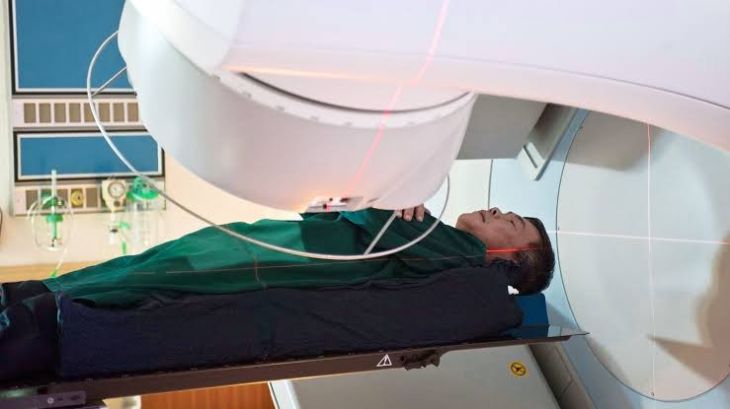
Radiation therapy is another effective option.
It uses high-energy rays to kill cancer cells, while keeping nearby healthy tissue safe.Radiation can be delivered from outside the body through external beam radiation or from inside the prostate using radioactive seeds in a procedure called brachytherapy.Some patients get radiation as the primary treatment, while others use it after surgery if cancer might come back.
Both surgery and radiation can cause side effects, like problems with urination, bowel function, and sexual health.
Doctors discuss these risks before treatment, so patients can choose based on their individual needs, lifestyle, and long-term health goals.
Hormone Therapy and Systemic Treatments
Hormone therapy, also known as androgen deprivation therapy, is important for cancer that has spread beyond the prostate or has returned after treatment.
Prostate cancer cells use male hormones, especially testosterone, to grow.Hormone therapy lowers testosterone levels or stops it from affecting cancer cells, slowing tumor growth.
There are several ways to achieve hormone suppression.
Medications can reduce testosterone production, and other drugs stop hormones from stimulating cancer cells.In some cases, removing the testicles surgically can permanently lower testosterone.Hormone therapy is often used together with radiation, especially for higher-risk cancers.
Chemotherapy may be used when prostate cancer no longer responds to hormone therapy.
These medicines affect the whole body to kill fast-growing cancer cells.Newer treatments like immunotherapy and targeted therapies are also becoming more important.These options help improve survival rates and quality of life for certain patients with specific mutations or advanced disease.
Active Surveillance and Personalized Treatment Decisions
Not all prostate cancer patients need immediate treatment.
Many prostate cancers grow slowly and might never be life-threatening.For men with low-risk, localized cancer, active surveillance offers an alternative that avoids unnecessary treatment and its side effects.This involves regular check-ups and tests to monitor the cancer.
During active surveillance, doctors check the cancer using PSA blood tests, physical exams, imaging, and sometimes biopsies.
If the cancer becomes more aggressive or grows rapidly, active treatment can begin without reducing the chances of a good outcome.This strategy helps keep urinary and sexual function for many years while keeping cancer under control.
Treatment decisions should be made based on individual factors.
These include age, life expectancy, existing health conditions, family history, cancer stage, how fast it's growing, and personal preferences.Decisions made together with healthcare providers ensure treatment plans match both medical needs and personal values.A group of specialists, including urologists, oncologists, radiation therapists, and nurses, work together to provide complete care throughout treatment.
Recovery, Follow-Up Care, and Healthy Living
Recovery from prostate cancer treatment varies depending on the therapy.
Patients who have surgery often need several weeks to get back to normal, while those who get radiation may gradually feel better after treatment.Side effects like fatigue, urinary issues, and sexual problems usually improve over time with support and care.
Regular check-ups are important even after treatment.
Doctors track PSA levels to find any signs of cancer returning early.Additional tests might be needed if doctors have concerns.Detecting cancer early allows for prompt treatment and better long-term results.
Maintaining a healthy lifestyle helps recovery and overall health.
Eating a balanced diet full of fruits, vegetables, whole grains, and lean protein, and staying physically active, supports better health and may help prevent disease from getting worse.Emotional support from family, healthcare professionals, and support groups can help people deal with the stress of a cancer diagnosis.Education, regular check-ups, and following treatment advice are key to long-term success in treating prostate cancer.
Conclusion
Informed Treatment Leads to Better Outcomes
Prostate cancer treatment has improved a lot, giving patients several effective choices depending on the stage and features of their disease.
Surgery, radiation, hormone therapy, active surveillance, and newer targeted treatments are all important parts of current care.Getting an early diagnosis, creating a personalized treatment plan, making healthy lifestyle choices, and having regular check-ups greatly help in increasing survival rates and improving the quality of life for men with prostate cancer.