What Are Phytosterols and how Can They help control Blood cholesterol?
Phytosterols are natural plant compounds which have a chemical shape just like LDL cholesterol. They're found in numerous plant-based foods, including nuts, seeds, vegetable oils, legumes, and whole grains. Although the body does not produce phytosterols in the same way it produces cholesterol, these compounds can impact how cholesterol is absorbed within the digestive system.
One of the most recognized benefits of phytosterols is their potential to reduce the absorption of dietary and biliary cholesterol in the intestine. This can help lower low-density lipoprotein (LDL), commonly called bad cholesterol, when consumed in sufficient quantities as part of a balanced diet.
Maintaining healthy cholesterol levels is important for cardiovascular health. Including phytosterol-containing foods in regular meals may be one part of a heart-conscious eating pattern. Understanding how these plant compounds work, which foods contain them, and how to consume them safely can help you make informed dietary choices.
What Are Phytosterols and Why Are They Important?
Phytosterols are naturally occurring compounds found in plants. They are sometimes called plant sterols and belong to a group of substances that have a structure similar to cholesterol.
Common phytosterols include beta-sitosterol, campesterol, and stigmasterol. These compounds are present in different amounts in vegetable oils, nuts, seeds, grains, and legumes.
Unlike cholesterol, which is found in animal-based foods and is also produced by the liver, phytosterols come mainly from plant sources. Their similar structure allows them to compete with cholesterol during absorption in the small intestine.
Phytosterols are important because they can help reduce the amount of cholesterol that enters the bloodstream. They are not a substitute for medication or medical treatment, but they can contribute to cholesterol management when included in the appropriate dietary plan.
How Phytosterols Help Reduce Cholesterol Absorption
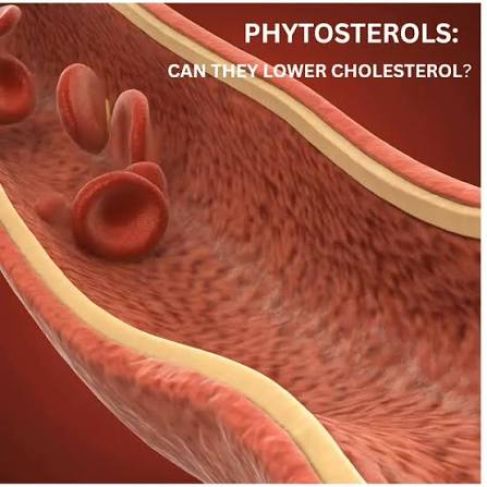
One of the major ways phytosterols support cholesterol control is by reducing cholesterol absorption in the gut.
When food is digested, cholesterol mixes with bile components to form tiny structures known as micelles. These help transport cholesterol through the intestinal environment so it can be absorbed.
Phytosterols have a similar chemical structure to cholesterol. They compete with cholesterol for space in these micelles, making it more difficult for some cholesterol to be absorbed.
As a result, more cholesterol stays in the digestive tract and is removed from the body through waste. This process can reduce the amount of cholesterol entering the bloodstream.
Regular intake of phytosterols in suitable quantities can help lower LDL cholesterol. However, the effect depends on the amount consumed and individual factors. Their benefits are generally most useful when combined with a balanced diet and other healthy lifestyle habits.
The Difference Between LDL and HDL Cholesterol
Understanding the difference between LDL and HDL cholesterol can help explain why phytosterols are associated with heart health.
LDL stands for low-density lipoprotein. It carries cholesterol through the bloodstream, and high LDL levels can contribute to the accumulation of fatty deposits in artery walls. This can increase the risk of cardiovascular problems over time.
HDL stands for high-density lipoprotein. It helps transport cholesterol from different parts of the body toward the liver, where it can be processed and removed.
Phytosterols primarily help reduce LDL cholesterol by limiting intestinal cholesterol absorption. They are not generally used to increase HDL cholesterol.
Maintaining healthy cholesterol levels involves more than focusing on one number. A healthcare professional can assess LDL, HDL, triglycerides, blood pressure, and other risk factors to understand overall cardiovascular health.
Best Food Sources of Phytosterols
Phytosterols are naturally present in many plant-based foods. Including a variety of these foods in regular meals can help increase your intake of these beneficial plant compounds.
Some good food sources include:
-
Sunflower seeds
-
Sesame seeds
-
Almonds
-
Walnuts
-
Peanuts
-
Soybeans and other legumes
-
Whole grains
-
Vegetable oils, including canola and sunflower oil
-
Corn and certain grain products
The amount of phytosterols varies depending on the food, variety, processing method, and serving size.
Nuts and seeds are particularly beneficial because they also provide healthy unsaturated fats, fiber, protein, and minerals. Whole grains and legumes contribute additional fiber and other nutrients that support a balanced diet.
Rather than relying on one food, including different plant-based options throughout the week can help improve overall dietary variety.
Phytosterols and Heart Health
High LDL cholesterol is an important risk factor for cardiovascular disease. Since phytosterols can reduce cholesterol absorption, they may help support heart health when included as part of the right eating pattern.
Studies have shown that consuming around 2 grams of plant sterols or stanols daily can lower LDL cholesterol by approximately 7% to 10% in many adults. The exact response can vary between individuals.
However, reducing LDL cholesterol through phytosterols does not automatically mean that cardiovascular disease risk is reduced by the same percentage. Evidence about the effect of phytosterols on long-term heart attack and stroke outcomes remains limited.
For better cardiovascular health, phytosterols should be combined with other beneficial habits. Eating fruits, vegetables, whole grains, legumes, and nuts, choosing healthier fats, staying physically active, and avoiding tobacco are important steps.
People with high cholesterol should follow their healthcare professional's advice instead of relying on phytosterols alone.
The Role of Phytosterol-Fortified Foods
Some packaged foods are specifically enriched with plant sterols or stanols to provide higher amounts than regular foods naturally contain.
These products may include certain margarines, spreads, yogurt drinks, and other fortified foods. They are designed to help people increase their phytosterol intake in measured portions.
When choosing these products, it is important to read nutrition labels and check the amount of added plant sterols per serving. Some fortified foods may contain added sugar, sodium, or other ingredients worth considering.
Fortified products may be beneficial for those who need additional dietary support for managing LDL cholesterol. However, they should be selected according to individual health needs and professional advice.
They should not replace prescribed cholesterol-lowering medication. People already receiving treatment should discuss dietary changes and fortified products with their healthcare professional.
How Much Phytosterol Do You Need?
Phytosterols are naturally found in many foods, but regular diets often provide amounts below those used in research examining LDL cholesterol reduction.
For adults who want to lower elevated LDL cholesterol, about 2 grams of plant sterols or stanols per day is a commonly studied intake. This amount is usually obtained through specially fortified foods or products rather than regular foods alone.
More is not always better. Consuming excessive amounts has not been shown to provide additional cardiovascular benefits.
People with certain rare inherited conditions, such as sitosterolemia, should avoid high phytosterol consumption because their bodies can accumulate plant sterols.