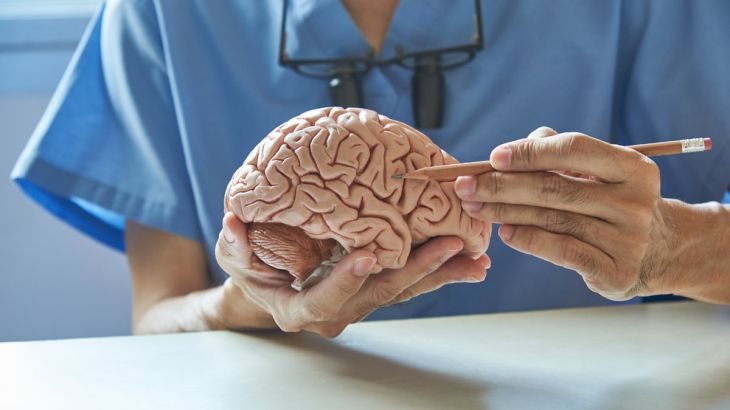
Memory Health: Simple Tips for Keeping Your Brain Active Every Day
Memory is one of the brain's most valuable functions, allowing us to learn new information, recall experiences, solve problems, and perform everyday tasks. As people age, it is normal to notice small changes in memory and concentration. However, adopting healthy lifestyle habits can help maintain strong cognitive function and support brain health throughout life. Keeping the brain active is not only important for older adults but also for young people who want to improve focus, learning ability, and mental performance.
Research has shown that the brain has an incredible ability to adapt and form new connections, a process known as neuroplasticity. This means that engaging in mentally stimulating activities, maintaining physical health, eating nutritious foods, and managing stress can all contribute to better memory and cognitive function. Just like muscles become stronger with exercise, the brain benefits from regular mental challenges and healthy daily routines.
This article explores practical tips for keeping your brain active, improving memory naturally, and supporting long-term cognitive health. By making small but consistent lifestyle changes, individuals can enhance mental sharpness, reduce the risk of cognitive decline, and enjoy better overall well-being.
Challenge Your Brain Every Day
Keeping the brain mentally active is one of the most effective ways to maintain strong memory and cognitive function. Engaging in activities that require thinking, problem-solving, and learning helps create new neural connections and strengthens existing ones. Reading books, solving crossword puzzles, playing chess, learning a musical instrument, or practicing a new language are excellent ways to stimulate different areas of the brain.
Trying new experiences also encourages brain development. Learning a new skill, taking up a hobby, or exploring unfamiliar subjects forces the brain to process information in new ways. Even simple activities such as changing daily routines, cooking new recipes, or visiting different places can stimulate mental flexibility.
Technology can also be used wisely to support brain health. Educational apps, memory games, and online learning platforms offer opportunities to challenge cognitive abilities. However, excessive passive screen time should be limited, as active mental engagement is far more beneficial than simply consuming entertainment.
Consistency is the key to maintaining brain activity. Spending even 20 to 30 minutes each day on mentally stimulating activities can improve concentration, enhance memory, and support long-term cognitive function. Keeping the brain challenged throughout life contributes to better learning, sharper thinking, and greater mental resilience.
Support Brain Health Through Nutrition and Exercise
The brain depends on proper nutrition to function efficiently. A balanced diet rich in vitamins, minerals, antioxidants, healthy fats, and proteins supports memory, concentration, and overall cognitive performance. Fruits, vegetables, whole grains, nuts, seeds, fish, eggs, and legumes provide nutrients that help protect brain cells from damage and reduce inflammation.
Omega-3 fatty acids, commonly found in fatty fish such as salmon, walnuts, and flaxseeds, play an important role in maintaining healthy brain function. Antioxidant-rich foods like berries, leafy greens, and colorful vegetables help protect brain tissue from oxidative stress. Staying hydrated is equally important, as even mild dehydration can affect concentration and memory.
Physical exercise also benefits the brain by improving blood circulation and increasing oxygen delivery to brain cells. Regular physical activity stimulates the release of chemicals that support the growth and survival of neurons. Health experts recommend at least 150 minutes of moderate exercise each week through activities such as walking, cycling, swimming, or dancing.
Maintaining a healthy weight and controlling conditions such as high blood pressure, diabetes, and high cholesterol further protect long-term brain health. Combining proper nutrition with regular physical activity creates a strong foundation for maintaining memory and cognitive abilities throughout life.
Prioritize Sleep, Stress Management, and Social Interaction
Quality sleep is essential for memory formation and brain function. During sleep, the brain processes information, stores memories, and removes waste products that accumulate throughout the day. Adults should aim for seven to nine hours of restful sleep each night. Poor sleep can impair concentration, reduce learning ability, and increase the risk of long-term cognitive decline.
Managing stress is equally important for maintaining memory health. Chronic stress increases the production of cortisol, a hormone that can negatively affect areas of the brain responsible for learning and memory. Relaxation techniques such as meditation, deep breathing exercises, yoga, and mindfulness help reduce stress and promote emotional well-being.
Social interaction also plays a valuable role in keeping the brain active. Regular conversations, group activities, volunteering, and spending time with family and friends stimulate multiple areas of the brain while supporting emotional health. Meaningful relationships reduce feelings of loneliness, which has been linked to cognitive decline in older adults.
Developing a balanced daily routine that includes adequate sleep, stress management, and regular social engagement creates an environment where the brain can function at its best. These habits not only improve memory but also contribute to better overall mental health and quality of life.
Build Lifelong Habits for Better Memory
Protecting memory requires consistent healthy habits over time rather than occasional efforts. Regular medical checkups help identify health conditions that may affect cognitive function, including diabetes, high blood pressure, thyroid disorders, vitamin deficiencies, and hearing or vision problems. Early diagnosis and proper management of these conditions can help preserve brain health.
Avoiding harmful habits is another important step. Smoking damages blood vessels and reduces blood flow to the brain, while excessive alcohol consumption can impair memory and cognitive performance. Maintaining a healthy lifestyle supports both brain and cardiovascular health, as the two are closely connected.
Staying organized can also improve memory. Using calendars, planners, reminder apps, and written notes reduces mental overload and helps individuals manage daily responsibilities more effectively. Practicing mindfulness and focusing on one task at a time enhances attention, making it easier to remember important information.
Perhaps the most valuable habit is maintaining curiosity throughout life. Lifelong learning encourages continuous brain stimulation and promotes mental flexibility. Whether reading books, attending educational programs, or exploring new interests, keeping the mind engaged supports healthy aging and cognitive resilience. Building these habits early and maintaining them consistently helps preserve memory and supports an active, healthy brain for years to come.
Conclusion
Keep Your Mind Active Every Day
Memory health depends on the choices we make each day. Challenging the brain, eating nutritious foods, staying physically active, getting enough sleep, managing stress, and maintaining strong social connections all contribute to better cognitive function. By adopting these healthy habits consistently, individuals can improve memory, keep their brains active, and support lifelong mental well-being. A healthy brain is built through daily care and continuous learning.