How Hypertension Increases the Risk of Heart Disease
Hypertension, also called high blood pressure, is a widespread health issue that affects millions of people around the world.
Blood pressure is the force that blood puts on the walls of arteries as the heart pumps it through the body.When this pressure stays high for a long time, it can harm blood vessels and other important organs.Hypertension is often referred to as a "silent" condition because many people do not notice any symptoms until serious problems occur.One of the main concerns related to uncontrolled hypertension is its effect on the heart.Over time, high blood pressure puts extra strain on the heart and blood vessels, increasing the risk of various heart-related diseases.Heart disease is a major cause of death globally, and hypertension is a key risk factor.Understanding the connection between high blood pressure and heart disease helps people take steps to stay healthy, make better lifestyle choices, and get medical help when needed to lower their long-term health risks.
Understanding Hypertension and Its Causes
Hypertension happens when blood pressure levels stay higher than normal for a long time.
Blood pressure is measured with two numbers: the systolic pressure, which shows the force during a heartbeat, and the diastolic pressure, which shows the pressure when the heart is at rest between beats.Many factors can lead to high blood pressure.Genetics can play a role, as people with a family history of high blood pressure are more likely to develop it.Lifestyle choices like eating too much salt, not being physically active, being overweight, smoking, and drinking too much alcohol also increase the risk.Long-term stress can contribute to higher blood pressure as well.In some cases, conditions like kidney disease, hormonal imbalances, or certain medicines can cause secondary hypertension.The condition usually develops slowly over many years, which is why regular monitoring of blood pressure is important.If not managed, high blood pressure can harm blood vessels and organs, setting the stage for serious heart problems.Early detection and treatment are essential for reducing the damage caused by hypertension and keeping overall health in check.
How Hypertension Damages the Heart
The heart continuously works to pump blood throughout the body.
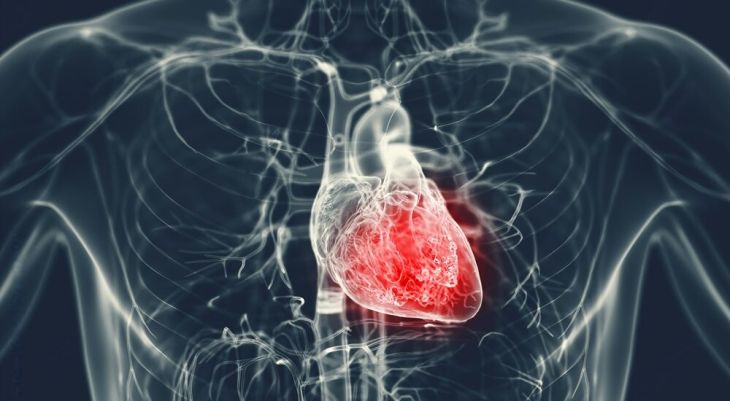
When blood pressure is consistently high, the heart must work harder to push blood through the arteries.This extra effort strains the heart muscle.Over time, the heart may become enlarged, a condition known as left ventricular hypertrophy, which can make the heart less efficient.Hypertension also hurts the inner lining of blood vessels, making them more likely to narrow or form plaques.This process, called atherosclerosis, limits blood flow and raises the risk of coronary artery disease.Poor blood flow to the heart can cause chest pain, heart attacks, and other serious problems.Prolonged hypertension can also weaken the heart's ability to pump blood, leading to heart failure.The combination of damaged blood vessels and increased strain on the heart makes hypertension a major cause of cardiovascular disease.Keeping blood pressure under control is important for protecting heart function and lowering the risk of life-threatening conditions.
Risk Factors and Warning Signs
Several factors can increase the chance of developing hypertension and related heart disease.
Age is a key factor, as blood pressure often increases with time.Other risk factors include obesity, diabetes, smoking, unhealthy eating, and lack of exercise.People with high cholesterol levels or a family history of heart disease may also be more at risk.One challenge with hypertension is that it often has no noticeable symptoms in the early stages.As a result, many people are unaware of their condition until complications arise.In severe cases, symptoms may include headaches, dizziness, shortness of breath, chest pain, blurred vision, or tiredness.However, these symptoms are not always present.Regular health checkups are important for finding high blood pressure before serious damage happens.Monitoring blood pressure at home and visiting a doctor for routine checkups can help detect issues early.Knowing the risk factors and signs encourages people to seek treatment and make healthier lifestyle choices to protect their heart health.
Prevention and Treatment Strategies
Preventing and managing hypertension involves lifestyle changes and medical care.
A diet that includes plenty of fruits, vegetables, whole grains, lean proteins, and healthy fats can make a big difference in controlling blood pressure.Eating less salt and avoiding processed foods are especially important.Regular physical activity, like walking, cycling, swimming, or other aerobic exercises, helps improve the heart and maintain a healthy weight.Managing stress through practices such as meditation, deep breathing, and getting enough sleep can also help regulate blood pressure.Avoiding tobacco and limiting alcohol intake further lowers the risk of heart disease.For individuals with high blood pressure that doesn't improve with lifestyle changes, doctors may prescribe medications to help manage the condition.It's important to take these medications exactly as directed and attend follow-up appointments to check their effectiveness.Combining healthy habits with proper medical care can greatly reduce the risk of heart disease and improve quality of life over time.
Conclusion
Hypertension is a significant risk factor for heart disease and can lead to severe health problems if not treated.
By keeping track of blood pressure, making healthy lifestyle choices, and using the right medical care, people can effectively manage their blood pressure and protect their heart health for the future.