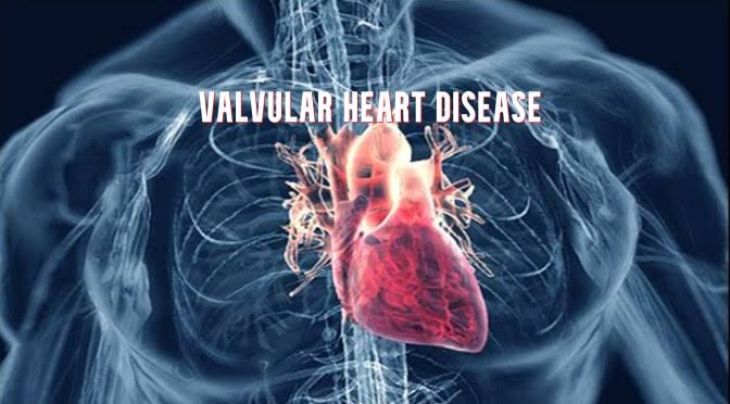
Heart Valve Disease Explained: How Heart Valves Affect Overall Health
The human heart functions like a powerful pump that continuously circulates blood throughout the body. To ensure that blood moves in the correct direction, the heart contains four specialized valves. These valves act like doors, opening and closing at the right moments to maintain smooth blood flow. When one or more of these valves fail to function properly, a condition known as heart valve disease may develop. This disorder can affect people of different ages and may range from mild to severe. Some individuals live for years without noticing symptoms, while others may experience significant health problems that interfere with daily life. Heart valve disease can reduce the efficiency of blood circulation, forcing the heart to work harder than normal. Over time, this extra strain may lead to complications if left untreated. Understanding how heart valves function and recognizing the warning signs of valve-related problems can help individuals seek timely medical care. Increased awareness also supports early diagnosis, which often improves treatment outcomes and quality of life.
How Heart Valves Work and What Can Go Wrong
Inside the heart are four important valves known as the mitral valve, tricuspid valve, aortic valve, and pulmonary valve. Each valve plays a specific role in directing blood through different chambers of the heart and into the body's circulation system. In a healthy heart, these valves open fully to allow blood to pass and close tightly to prevent backward flow. Heart valve disease develops when a valve becomes damaged or does not operate correctly. Sometimes the valve opening becomes narrower than normal, restricting blood movement. In other situations, the valve may not close completely, allowing blood to leak backward. Both conditions force the heart to exert additional effort to maintain circulation. Valve problems may develop gradually over time or appear suddenly due to injury or infection. Because the heart depends on efficient blood flow, even minor valve abnormalities can eventually affect overall cardiovascular function. Understanding these mechanical changes helps explain why untreated valve disorders may contribute to fatigue, breathing difficulties, and reduced physical performance.
Common Causes and Risk Factors
Several factors can contribute to the development of heart valve disease. Age-related changes are among the most common causes. As people grow older, heart valves may gradually thicken, stiffen, or accumulate calcium deposits that interfere with normal movement. Certain infections can also damage valve tissue and affect function. Some individuals are born with structural abnormalities that make valve problems more likely later in life. Previous heart conditions, including heart attacks and certain forms of heart disease, may increase the risk as well. High blood pressure can place additional strain on the heart and contribute to valve deterioration over time. In some cases, autoimmune disorders or inflammatory conditions may affect the valves and surrounding tissues. Lifestyle factors such as smoking, poor dietary habits, and lack of exercise may indirectly contribute to cardiovascular problems that influence valve health. Although not every case can be prevented, understanding these risk factors allows individuals to take proactive steps toward protecting their cardiovascular system and reducing the likelihood of future complications.
Symptoms and Diagnosis of Heart Valve Disease
The symptoms of heart valve disease vary depending on the severity and type of valve affected. Some people remain symptom-free for many years, while others experience noticeable changes in their daily activities. One common sign is shortness of breath, especially during physical exertion or while lying down. Persistent fatigue may develop because the body receives less efficient blood circulation. Some individuals notice swelling in the ankles, feet, or legs due to fluid accumulation. Irregular heartbeats, dizziness, chest discomfort, and reduced exercise tolerance may also occur. Since these symptoms can resemble other health conditions, medical evaluation is important. Doctors typically begin with a physical examination and may detect unusual heart sounds using a stethoscope. Additional tests such as echocardiography, electrocardiograms, chest imaging, or cardiac monitoring help assess valve function and determine the severity of the problem. Early diagnosis enables healthcare providers to monitor disease progression and recommend appropriate treatment before significant complications develop.
Treatment Options and Long-Term Management
Treatment depends on the type of valve disorder, symptom severity, and overall health of the patient. Mild cases may only require regular monitoring and routine medical checkups to ensure the condition does not worsen. Medications are sometimes prescribed to manage symptoms, improve circulation, regulate heart rhythm, or reduce fluid buildup. However, medicines generally do not repair damaged valves. When valve dysfunction becomes severe, more advanced interventions may be necessary. Modern medical technology offers several treatment approaches, including minimally invasive procedures and surgical valve repair or replacement. Advances in cardiac care have improved outcomes significantly, allowing many patients to return to active and productive lives. Long-term management also involves maintaining a heart-healthy lifestyle. Regular physical activity, balanced nutrition, blood pressure control, smoking cessation, and adherence to medical advice can help support cardiovascular health. Ongoing communication with healthcare professionals ensures that any changes in symptoms are addressed promptly and that treatment plans remain effective over time.
Conclusion
Understanding heart valve disease is essential for protecting cardiovascular health and recognizing problems before serious complications occur.
Heart valve disease affects the heart's ability to direct blood efficiently throughout the body. Although the condition can develop from aging, infections, congenital abnormalities, or other cardiovascular issues, early detection and appropriate treatment often lead to positive outcomes. Awareness of symptoms, routine medical evaluations, and healthy lifestyle choices play important roles in managing risk and supporting long-term heart function. By taking proactive steps and seeking timely care, individuals can improve their quality of life and maintain better overall cardiovascular health.