Heart Rhythm Monitoring: When Is It Needed?
The human heart works constantly throughout life, pumping blood and delivering oxygen to every part of the body.
To do this properly, the heart must maintain a steady and organized rhythm. In a healthy person, the heartbeat follows a regular pattern controlled by electrical signals inside the heart.However, in some situations, these signals can become irregular, causing the heart to beat too fast, too slow, or unpredictably.This condition is known as an abnormal heart rhythm or arrhythmia.Heart rhythm monitoring is a medical process used to observe and record the heart's electrical activity over time.Doctors use this method to detect irregular heartbeat patterns that may not be visible during a routine check-up.Many people experience occasional palpitations or dizziness without realizing these symptoms may be signs of a heart rhythm disorder.Monitoring helps doctors find hidden problems early, allowing timely treatment.Understanding when heart rhythm monitoring is necessary can help prevent serious health complications and improve long-term heart health.
Recognizing Symptoms That Indicate Monitoring Is Necessary
Heart rhythm monitoring is usually recommended when a person begins experiencing unusual symptoms that may suggest irregular heart activity.
Some common warning signs include a rapid heartbeat, skipped beats, dizziness, chest discomfort, shortness of breath, weakness, or sudden fainting episodes.While these symptoms do not always indicate serious disease, they should never be ignored because they may signal an underlying electrical problem within the heart.
In many cases, symptoms appear occasionally and disappear quickly, making diagnosis difficult during a regular doctor visit.
A person may feel normal during a hospital examination even though abnormal heart rhythms happen at random times during daily activities.Continuous monitoring devices help capture these episodes when they occur naturally.People who frequently experience unexplained fatigue or irregular pulse may also benefit from testing.Monitoring becomes especially important if symptoms interfere with daily activities or occur repeatedly.Early identification of rhythm abnormalities allows doctors to begin treatment before complications become severe and helps patients understand the cause of their symptoms.
Medical Conditions That Increase The Need For Monitoring
Certain health conditions increase the risk of developing abnormal heart rhythms, making heart rhythm monitoring an important preventive tool.
People diagnosed with high blood pressure, coronary artery disease, heart failure, congenital heart defects, or previous heart attacks are more likely to develop arrhythmias.Monitoring helps physicians detect whether these conditions are affecting the heart's electrical system.Patients with diabetes or thyroid disorders may also experience rhythm disturbances because hormonal imbalances can influence heart function.Individuals who previously underwent heart surgery often require monitoring during recovery to ensure stable cardiac activity.Older adults face higher risk because aging naturally affects heart tissue and electrical conduction pathways.People with a family history of sudden cardiac death or inherited rhythm disorders may need periodic monitoring even without visible symptoms.In such cases, doctors may recommend electrocardiograms, wearable monitors, or extended observation tests.Monitoring allows healthcare professionals to track changes over time and identify developing problems before they become dangerous, reducing the possibility of unexpected cardiac emergencies.
Different Methods Used For Heart Rhythm Monitoring
Modern medicine offers several methods for monitoring heart rhythm depending on symptoms and the suspected condition.
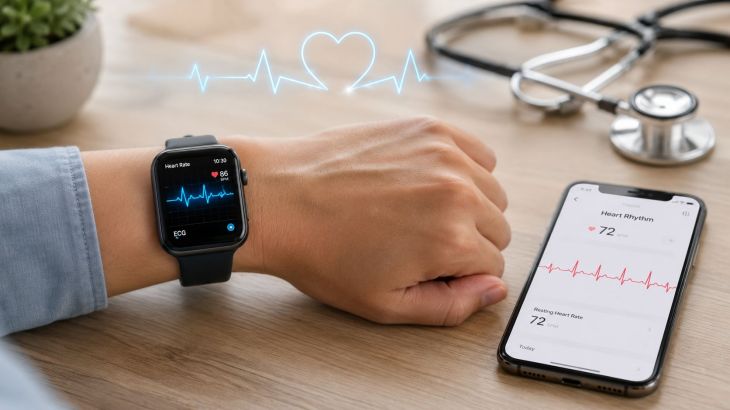
The most common diagnostic tool is the electrocardiogram, commonly known as ECG.This test records electrical signals from the heart and helps detect immediate abnormalities during examination.However, if irregular rhythms occur occasionally, longer monitoring methods may be required.Holter monitoring is widely used when doctors need continuous heart recordings over twenty four to forty eight hours.The patient wears a portable device that records every heartbeat during normal daily activity.Event monitors are another option and can be worn for weeks, allowing patients to activate recording when symptoms appear.Smart wearable technology such as advanced fitness watches can also help track pulse irregularities, although they cannot replace professional diagnosis.In hospitals, implantable loop recorders may be recommended for long-term monitoring lasting months or even years.Each monitoring method provides valuable information that helps doctors understand the exact rhythm disturbance and choose the most effective treatment approach.
Why Early Monitoring Can Prevent Serious Complications
Heart rhythm monitoring plays a major role in preventing severe health complications by identifying abnormalities before they cause permanent damage.
Certain arrhythmias can lead to dangerous outcomes including stroke, heart failure, blood clots, or sudden cardiac arrest if left untreated.Detecting these problems early greatly improves the chances of successful treatment.For example, atrial fibrillation is a common rhythm disorder that can increase stroke risk when blood clots form inside the heart.Monitoring helps detect this condition early so doctors can prescribe medication to reduce complications.Some abnormal rhythms may require lifestyle changes such as reducing caffeine intake, controlling stress, improving sleep habits, or increasing physical activity.In severe cases, doctors may recommend procedures such as pacemaker implantation or catheter ablation to restore normal rhythm.Continuous monitoring after treatment also helps evaluate recovery progress and treatment effectiveness.The biggest advantage of early detection is prevention.Identifying heart rhythm problems before symptoms become severe allows patients to maintain better heart health and avoid life-threatening emergencies in the future.
Conclusion
Timely heart rhythm monitoring helps detect hidden heart problems early, supports accurate diagnosis, and prevents serious cardiovascular complications through faster medical intervention and effective treatment planning.