What Is Gastroparesis and How Does It Affect Stomach Emptying?
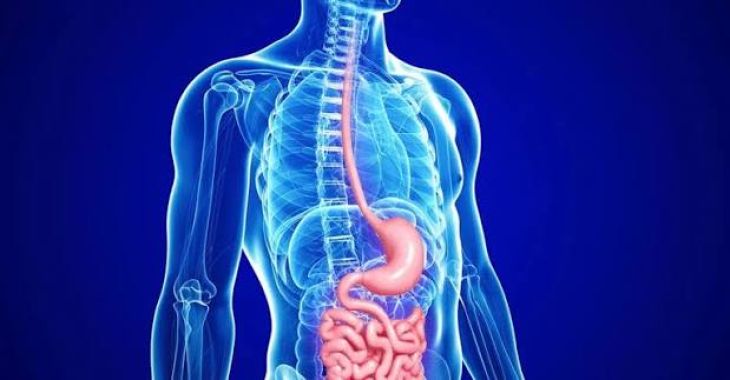
Human digestive function relies on tightly synchronized mechanical forces and intrinsic neural cascades to breakdown ingested alimentary material and transfer churned chyme into the intestinal tract. Within healthy physiology, the stomach operates as a compliant reservoir and an active mechanical triturator, breaking solids into small particles prior to controlled delivery through the pyloric channel into the duodenum. Gastroparesis represents a chronic neuromuscular disorder characterized by substantially delayed stomach clearance without any physical mechanical barrier or structural outlet stenosis. When the muscular layers or autonomic pathways regulating gastric transit sustain damage, food matrixes remain trapped within the stomach chamber for extended durations. This abnormal stasis disrupts normal digestive sequencing, producing distressing upper gastrointestinal symptoms and severe metabolic imbalances.
Neuromuscular Pathways and Mechanisms of Delayed Transit
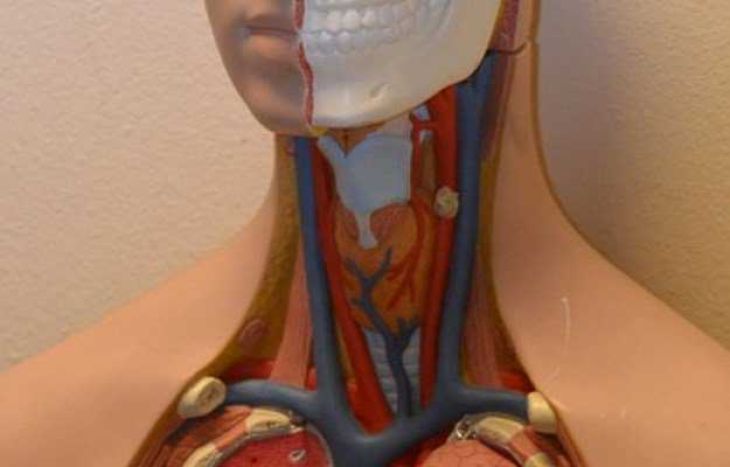
Understanding the pathophysiology of gastroparesis requires examining the microscopic neural and pacemaker elements that dictate gastric motility. Normal motor activity depends on coordinated signals from the vagus nerve, the enteric nervous plexus, and specialized interstitial cells of Cajal, which act as intrinsic electrical pacemakers generating rhythmic slow waves. In healthy individuals, the proximal stomach relaxes to accommodate meals, while the distal antrum produces vigorous peristaltic contractions that crush solid particles against a closed pyloric sphincter. In gastroparesis, inflammatory damage or degeneration of the vagus nerve, loss of pacemaker cells, or smooth muscle injury impairs this synchronized pumping action. Consequently, antral propulsive power declines, the pyloric sphincter may exhibit abnormal spasticity, and gastric contents remain static rather than advancing systematically into the small bowel.
Underlying Etiologies and Associated Clinical Risks
Gastroparesis stems from various clinical origins, among which chronic diabetic neuropathy is the most common identifiable cause. Long-standing, poorly controlled blood glucose levels induce microvascular ischemia that damages nerve fibers within the vagal trunk, producing visceral autonomic neuropathy that disrupts stomach motility. Another major category is idiopathic gastroparesis, where delayed clearance arises without an obvious systemic trigger, though many instances likely follow unrecognized viral infections that damage intrinsic neural networks. Furthermore, surgical procedures involving the upper abdomen, such as fundoplication or vagotomy, can unintentionally sever neural paths, resulting in iatrogenic motility failure. Certain pharmacological agents, including opioid analgesics, anticholinergic compounds, and GLP-1 receptor agonists, can also slow gastric clearance and aggravate existing transit delays.
Systemic Consequences and Clinical Presentation
The clinical features of gastroparesis range from mild discomfort to severe, incapacitating digestive distress. Patients typically present with early satiety—a sensation of fullness shortly after beginning a meal—alongside postprandial distention, persistent nausea, retching, and epigastric discomfort. Beyond physical pain, prolonged retention of undigested matter introduces significant clinical risks. Stagnant food inside the stomach cavity can condense into hard masses called bezoars, which threaten to irritate the mucosal lining, worsen nausea, or cause partial mechanical blockages. Additionally, unpredictable stomach emptying complicates glycemic management in diabetic patients; erratic nutrient movement into the small intestine creates a severe mismatch between exogenous insulin timing and glucose absorption, precipitating unpredictable swings between hyperglycemia and hypoglycemia.
Diagnostic Procedures for Assessing Clearance Capacity
Confirming a diagnosis of gastroparesis necessitates quantitative measurement of gastric transit alongside diagnostic tests to rule out structural obstructions. Nuclear gastric emptying scintigraphy remains the definitive diagnostic standard. During this evaluation, the patient consumes a solid test meal tagged with a trace radioisotope, after which a gamma camera tracks the clearance of the radiolabeled food at specific intervals up to four hours. Retention exceeding ten percent of the meal at the four-hour threshold establishes a diagnosis of delayed emptying. Alternative diagnostic modalities include wireless motility capsules, which record internal pH, pressure, and temperature to calculate total transit time, as well as carbon isotope breath tests. Upper endoscopy is routinely performed beforehand to verify that ulcers, strictures, or mass lesions are not physically blocking the pyloric outlet.
Clinical Management and Therapeutic Strategies
Treating gastroparesis requires a structured, multi-faceted approach aimed at accelerating stomach emptying, alleviating chronic nausea, and stabilizing nutritional status. Dietary modification forms the initial foundation of care: individuals are advised to consume frequent, small meals that are low in soluble fiber and dietary lipids, as both fats and fibers naturally delay stomach clearance and increase bezoar formation risk. When dietary adjustments alone are insufficient, prokinetic pharmaceuticals are introduced to enhance antral contractions and restore forward flow. Dopamine antagonists such as metoclopramide increase motor activity while suppressing nausea, and macrolide agents like erythromycin bind motilin receptors to trigger strong migratory contraction waves. Anti-emetic agents are frequently combined with prokinetics to manage persistent retching, while advanced surgical measures, including pyloromyotomy or electrical gastric stimulation, are reserved for refractory cases.
Conclusion
Gastroparesis represents a debilitating dysmotility disorder that disrupts the normal neuromuscular mechanisms responsible for timely stomach clearance. By understanding how vagal neuropathy, loss of interstitial pacemaker cells, and antral hypomotility halt normal digestive transit, the complex nature of delayed stomach emptying becomes clear. Through accurate diagnostic confirmation via scintigraphy, tailored dietary planning, targeted prokinetic therapy, and proactive metabolic management, medical teams can effectively control symptoms, prevent nutritional complications, and improve patient quality of life.