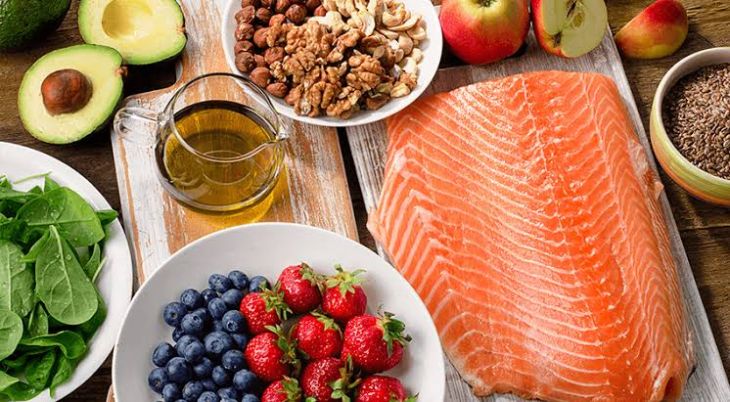
Foods That Support Long-Term Heart Health
The human heart works all the time, pumping blood, oxygen, and nutrients to every part of the body.
Since the heart is one of the most important organs, keeping it healthy should be a lifelong goal.Heart disease is still one of the main causes of health problems around the world, and many cases are linked to bad lifestyle choices, especially poor eating habits.Good news is that eating well can really help in protecting the heart over time.
Foods have a big effect on blood pressure, cholesterol levels, inflammation, blood sugar control, and how well blood flows. A healthy diet doesn't mean strict restrictions.Instead, it's about balance, variety, and eating foods that are rich in nutrients and naturally help the heart.Understanding which foods help protect the heart allows people to make better choices and build eating habits that support both heart health and overall well-being for many years.
Fruits and Vegetables for Heart Protection
Fruits and vegetables are among the most valuable foods for keeping the heart healthy.
They are naturally rich in vitamins, minerals, antioxidants, and fiber, all of which help with healthy blood flow and reduce inflammation.Antioxidants help protect blood vessels from damage caused by free radicals, which can lead to plaque buildup in the arteries.Leafy greens like spinach, kale, cabbage, and broccoli are high in potassium, which helps control blood pressure.Tomatoes contain lycopene, a natural antioxidant connected with lower risk of cardiovascular disease.Colorful vegetables such as carrots, bell peppers, and sweet potatoes have compounds that support good circulation and improve vascular function.Fruits like berries, oranges, apples, bananas, and grapes offer fiber and antioxidants that help reduce bad cholesterol levels.Soluble fiber found in apples and citrus fruits helps the body get rid of excess cholesterol.Eating a variety of fresh produce every day supports the heart while reducing the need for processed foods that can hurt long-term heart health.
Whole Grains and Healthy Fats for Better Circulation
Whole grains provide important nutrients that support heart health.
Unlike refined grains, whole grains contain fiber, magnesium, and complex carbohydrates that help manage blood sugar and cholesterol levels.Oats are especially good because they include beta-glucan, a type of soluble fiber that helps lower bad cholesterol (LDL).Brown rice, whole wheat bread, quinoa, barley, and millet give steady energy while supporting digestion and heart health.Eating whole grains regularly is linked with a lower risk of heart disease.Healthy fats are also very important for heart protection.Unsaturated fats in avocados, olive oil, nuts, and seeds help balance cholesterol by increasing good cholesterol (HDL).Walnuts, almonds, chia seeds, and flaxseeds also have omega-3 fatty acids that reduce inflammation and support healthy blood vessels.Replacing unhealthy saturated fats with these healthier fats improves blood flow and reduces stress on the cardiovascular system.
Protein Sources That Strengthen Heart Function
Protein is important for repairing tissues, maintaining muscles, and overall body function, including heart health.
However, the type of protein we eat makes a big difference in heart wellness.Lean protein sources provide nutrition without increasing harmful cholesterol or adding too much saturated fat.Fish is one of the best protein sources for heart health.Fatty fish like salmon, sardines, tuna, and mackerel have omega-3 fatty acids that help reduce triglycerides, improve blood vessel flexibility, and lower inflammation.Regularly eating fish is linked with a lower risk of irregular heartbeats and heart disease.Plant-based proteins also offer great heart benefits.Beans, lentils, peas, and soy products give protein along with fiber that supports healthy cholesterol levels.Skinless poultry can be a better option than processed meats.It's important to reduce processed meats like sausages and heavily preserved foods because they often have too much sodium and unhealthy fats.Choosing clean protein sources consistently helps keep the heart strong in the long term.
Foods to Limit and Lifestyle Habits That Support Heart Health
Protecting heart health is not just about choosing good foods but also about avoiding those that increase risk.
Processed foods often have too much sodium, unhealthy fats, preservatives, and added sugars that lead to high blood pressure, obesity, and cholesterol problems.Fried foods, sugary drinks, packaged snacks, and fast food should be eaten only occasionally.Too much salt raises blood pressure and puts extra strain on blood vessels.Cutting back on sodium and using herbs and spices for flavor helps improve heart health in the long run.Limiting added sugars is also important because too much sugar can cause weight gain, insulin resistance, and other issues that affect the heart indirectly.Healthy eating becomes more effective when combined with good lifestyle choices.Regular exercise improves blood flow and strengthens the heart.Staying hydrated helps with blood flow, and avoiding smoking protects blood vessels from damage.Managing stress through meditation, good sleep, and emotional balance also helps the heart.Putting nutrition and healthy habits together creates a strong base for lifelong heart health.