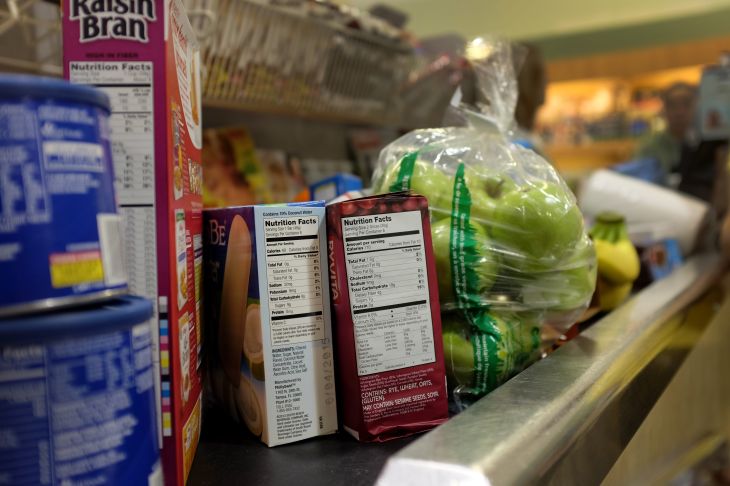
How Food Labels Can Help You Compare Nutritional Value and Make Healthier Choices
Food labels provide useful information about the nutritional content and ingredients of packaged foods. They help consumers understand what they are eating and make informed decisions when choosing products. By checking food labels, you can compare calories, fats, sugar, sodium, protein, fiber, and other nutrients to find options that better match your dietary needs.
Many packaged foods may look similar on the outside but differ considerably in their nutritional value. For example, two breakfast cereals may have similar packaging while containing different amounts of added sugar, fiber, and protein. Reading the nutrition information can help you identify these differences and choose products more carefully.
Food labels can also help people manage their portion sizes, monitor specific nutrients, and identify ingredients that they may need to avoid. Although labels cannot determine whether an entire diet is healthy, they are a practical tool for building balanced eating habits. Learning how to interpret the information on a package can make grocery shopping easier and help you make healthier food choices over time.
What Are Food Labels and Why Do They Matter?
Food labels display important details about packaged products, including their ingredients, nutritional information, serving sizes, and storage instructions. Depending on the product and local regulations, labels may also include allergen information, manufacturing details, expiry dates, and other information required for consumers.
One of the main benefits of food labels is that they allow you to compare similar products. For example, when choosing between two types of bread, you can check their fiber content, sodium levels, and ingredient lists before deciding which one better suits your needs.
Food labels are particularly helpful for people who want to reduce their intake of added sugar, monitor sodium consumption, increase fiber intake, or manage specific dietary requirements. They can also help consumers identify ingredients that may cause allergic reactions.
However, a single label does not tell you everything about a product's overall nutritional quality. It is important to consider the serving size, ingredient list, nutrient content, and how the food fits into your overall diet. Using these details together can help you make more informed decisions.
Understanding Serving Sizes on Food Labels
Serving size is one of the first details to check when reading a nutrition label. It tells you the amount of food used to calculate the nutritional information displayed on the package.
For example, a packet of biscuits may list calories and sugar for a serving of two biscuits. If you eat four biscuits, you consume approximately twice the listed amount of calories and sugar, assuming the biscuits are similar in size and composition.
Serving sizes are not always the same as the amount people usually eat. Some packages contain several servings even when they appear small enough to finish in one sitting. Checking the number of servings per package can help you understand how much you are actually consuming.
When comparing two products, make sure you compare equivalent quantities. One product might list its nutritional values per 100 grams, while another lists them per serving. Comparing the same weight or a clearly equivalent portion provides a more accurate picture.
Understanding serving sizes can also support portion awareness without requiring you to measure every meal. It helps you recognize how quickly calories, sugar, sodium, and other nutrients can add up.
How to Compare Calories and Energy Content
Calories indicate how much energy a food provides. The body needs energy to support essential functions, physical activity, growth, and everyday tasks. However, individual energy needs vary depending on factors such as age, body size, activity level, and overall health.
Food labels make it easier to compare the energy content of similar products. For instance, if you are choosing between two packaged snacks, checking their calorie content per 100 grams or per equivalent serving can help you understand which provides more energy.
However, fewer calories do not automatically mean a food is more nutritious. A food with slightly more calories may also provide valuable nutrients, such as protein, fiber, healthy fats, vitamins, and minerals. On the other hand, some low-calorie products may contain limited nutrients or added ingredients that are not particularly beneficial.
Instead of focusing only on calorie numbers, consider the overall nutritional profile. Look at protein, fiber, sugar, fats, and sodium alongside calories.
The goal is not necessarily to choose the product with the lowest energy content. It is to select foods that provide suitable energy and nutrients for your needs while supporting a balanced eating pattern.
Checking Sugar Content on Food Labels
Sugar is an important nutrient to monitor when comparing packaged foods. Many products contain naturally occurring sugars, while others have added sugars used to improve sweetness, flavor, or texture.
Nutrition labels may display total sugar content, and some also list added sugars separately. Total sugar can include sugars naturally present in foods, such as lactose in milk or sugars in fruit ingredients, as well as added sugars when present.
Products such as sweetened drinks, breakfast cereals, biscuits, flavored yogurt, sauces, and packaged desserts can contain substantial amounts of sugar. Comparing labels can help you identify products with lower sugar content when that is your goal.
For example, two flavored yogurts may appear similar, but one might contain considerably more added sugar than the other. Checking the ingredient list can help you understand whether sugar, syrup, or another sweetening ingredient has been added.
It is not necessary to avoid every food containing sugar. Instead, focus on limiting excessive added sugar while choosing a varied diet that includes naturally nutritious foods. Reading labels can help you make choices that better match your health goals.
Understanding Fats and Sodium
Fat provides energy, helps the body absorb certain vitamins, and supports normal cell function. However, the types of fat in food are important when comparing nutritional value.
Nutrition labels may list total fat, saturated fat, and sometimes trans fat. Unsaturated fats, found in foods such as nuts, seeds, and certain oils, can be part of a balanced diet. It is generally advisable to limit excessive saturated fat and avoid industrial trans fats where possible.
Comparing the fat content of similar products can help you make more informed decisions. However, do not assume that every low-fat product is automatically healthier. Some reduced-fat foods contain added sugar or other ingredients to maintain flavor and texture.
Sodium is another nutrient worth checking. It is commonly found in salt and many packaged foods, including instant noodles, chips, sauces, processed meats, and ready-to-eat meals. Consuming too much sodium can contribute to high blood pressure in some people.
When comparing products, check sodium or salt information and consider the amount you are likely to eat. Choosing lower-sodium alternatives more often can help support heart health, particularly when combined with an overall balanced diet.
Why Protein and Fiber Matter
Protein and fiber are two important components to consider when comparing packaged foods. Protein supports muscle maintenance, tissue repair, and many essential functions. Fiber supports digestive health and can help promote feelings of fullness.
Protein is found in foods such as eggs, dairy products, meat, fish, beans, lentils, nuts, and seeds. When comparing foods such as breakfast cereals, snack bars, or ready-to-eat meals, checking protein content can help you identify options that contribute more to your daily needs.
Fiber is found in whole grains, legumes, vegetables, fruits, nuts, and seeds. Adequate fiber intake supports regular bowel movements and contributes to overall digestive health. Some high-fiber foods may also help you feel satisfied for longer.
For example, when choosing breakfast cereal, a product containing more fiber and less added sugar may be a suitable option compared with one containing little fiber and a large amount of added sugar.
However, protein and fiber should not be evaluated in isolation. Consider the complete nutritional profile, serving size, and ingredient list before deciding which product is the better choice.
How to Read the Ingredient List
The ingredient list provides information about what a packaged food contains. Ingredients are generally listed in descending order by weight, meaning the ingredients used in the largest amounts appear near the beginning of the list.
Checking this list can help you understand the main components of a product. For example, a whole-grain bread may list whole-grain flour near the beginning, while another product may contain refined flour as its primary ingredient.
The ingredient list can also reveal added sugars, oils, flavorings, preservatives, and other ingredients. Sugar may appear under different names, including glucose syrup, fructose, dextrose, or other sweetening ingredients.
People with food allergies or intolerances should pay particular attention to allergen declarations and ingredient information. Always check the package because ingredients and manufacturing practices can change.
A shorter ingredient list is not automatically healthier than a longer one. Some nutritious foods contain several ingredients, and certain additives are used for safety, stability, or texture. Instead of judging a product by the number of ingredients alone, focus on the ingredients themselves and the food's overall nutritional value.
Understanding Nutrition and Health Claims
Food packages often display claims such as low fat, reduced sugar, high protein, whole grain, or a source of fiber. These statements can provide useful information, but they should be interpreted carefully.
A product described as low fat may still contain substantial amounts of sugar or sodium. Similarly, a high-protein snack may contain significant added sugar or saturated fat. One positive claim does not guarantee that the entire product is nutritionally balanced.
Claims such as natural, wholesome, or made with real ingredients may also create a healthy impression without providing a complete picture of the food's nutritional value.
Instead of relying only on marketing statements, check the nutrition facts and ingredient list. Compare the product with similar alternatives and consider the nutrients that matter most to your dietary needs.
It is also helpful to remember that nutrition claims may have specific legal definitions that vary by country. Reading the actual label information provides a more reliable basis for comparison than relying on attractive packaging alone.
Practical Tips for Comparing Packaged Foods
Reading food labels becomes easier with regular practice. You do not need to examine every detail of every product, but a few simple habits can help you compare options more effectively.
Helpful tips include:
- Compare similar products using the same serving size or the same weight.
- Check calories alongside protein, fiber, sugar, fat, and sodium.
- Look for added sugar information when it is provided.
- Read the ingredient list to identify the main ingredients and possible allergens.
- Choose whole-grain options when appropriate and compare their fiber content.
- Be cautious about health claims printed prominently on packaging.
- Check expiry dates, storage instructions, and relevant allergen warnings.
- Consider your personal dietary needs rather than following a single rule for every food.
For example, when comparing two breakfast cereals, you might choose the one with more fiber and less added sugar if the other nutritional details are similar. When comparing packaged soups, checking sodium content may be especially useful.
Remember that food labels are tools to support better decisions, not a reason to worry about every number. A balanced diet depends on your overall eating pattern, including fresh foods, vegetables, fruits, whole grains, and suitable protein sources.
Conclusion
Food labels help consumers compare nutritional value by providing information about calories, serving sizes, sugar, fats, sodium, protein, fiber, and ingredients. Learning to read these details can make grocery shopping easier and support healthier food choices.
By comparing similar products, checking ingredient lists, and looking beyond marketing claims, you can choose foods that better match your nutritional needs. Using food labels regularly is a practical step toward building balanced eating habits and supporting long-term health.