How Can Excessive Alcohol Consumption Affect Heart Health?
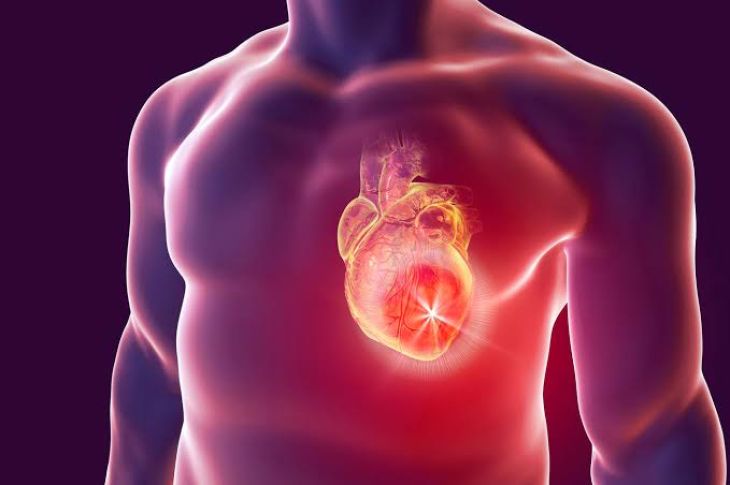
The heart works continuously to keep blood flowing throughout the body. Many factors can affect heart health, including diet, physical activity, stress, smoking, and alcohol consumption. While alcohol is sometimes discussed in relation to possible health benefits, excessive alcohol consumption can seriously affect the heart and cardiovascular system.
How Does Alcohol Affect the Heart?
Alcohol can affect the cardiovascular system in several ways. When a person drinks heavily or regularly consumes large amounts of alcohol, it can interfere with normal heart function and contribute to changes in blood pressure and heart rhythm.
The effects may depend on how much alcohol a person drinks, how often they drink, and other factors such as age, genetics, existing health conditions, and medications.
Can Alcohol Raise Blood Pressure?
Yes. Regular heavy alcohol consumption can contribute to high blood pressure.
Blood pressure measures the force of blood against the walls of the arteries. When blood pressure remains high over time, it puts additional strain on the heart and blood vessels.
Uncontrolled high blood pressure increases the risk of serious cardiovascular conditions, including heart disease and stroke.
Reducing excessive alcohol intake can help improve blood pressure in many people.
Can Alcohol Cause Irregular Heartbeats?
Excessive alcohol consumption can affect the heart's electrical system and contribute to an irregular heartbeat.
One well-known example is atrial fibrillation, often called AFib. It causes the upper chambers of the heart to beat irregularly and can increase the risk of blood clots and stroke.
Some people may experience an episode of an irregular heartbeat after heavy drinking. This is sometimes referred to as holiday heart syndrome.
Symptoms can include:
-
Racing heartbeat
-
Fluttering in the chest
-
Pounding heartbeat
-
Shortness of breath
-
Dizziness
-
Weakness
-
Chest discomfort
If an irregular heartbeat is new, severe, or accompanied by chest pain, fainting, or significant breathing difficulty, urgent medical evaluation may be necessary.
How Can Alcohol Weaken the Heart Muscle?
Long-term heavy drinking can damage the heart muscle and contribute to a condition called alcoholic cardiomyopathy.
In this condition, the heart muscle can become weakened and enlarged. A weakened heart may not pump blood as effectively as it should.
Over time, this can contribute to symptoms of heart failure, such as:
-
Shortness of breath
-
Swelling in the legs or ankles
-
Persistent tiredness
-
Reduced ability to exercise
-
Rapid or irregular heartbeat
Early recognition and reducing or stopping alcohol consumption under appropriate medical guidance can be important for people affected by alcohol-related heart damage.
Does Alcohol Increase the Risk of Heart Failure?
Heavy alcohol consumption can increase the risk of heart failure, particularly when it contributes to high blood pressure, abnormal heart rhythms, or damage to the heart muscle.
Heart failure does not mean that the heart has completely stopped working. Instead, it means that the heart cannot pump blood as effectively as the body needs.
Alcohol-related heart muscle damage can make this problem more likely.
Can Alcohol Increase the Risk of Stroke?
Excessive alcohol consumption can increase stroke risk through several pathways.
For example, heavy drinking can raise blood pressure and contribute to irregular heart rhythms such as AFib. AFib can allow blood clots to form in the heart, and those clots can travel to the brain and cause an ischemic stroke.
Heavy alcohol use can also increase the risk of other health problems that affect cardiovascular health.
Does Occasional Heavy Drinking Matter?
Yes. Drinking a large amount of alcohol in a short period can place stress on the cardiovascular system even if a person does not drink heavily every day.
Heavy drinking episodes can temporarily increase blood pressure and may trigger abnormal heart rhythms in some people.
This is why drinking patterns matter, not just how often someone drinks.
Is Any Amount of Alcohol Safe for the Heart?
It is important not to assume that alcohol is necessary for heart health.
Older studies sometimes suggested that moderate alcohol consumption might protect against certain heart problems. However, newer research has raised important concerns about these findings and the overall health risks of alcohol.
For people who do not drink, health organizations generally do not recommend starting alcohol specifically to protect the heart.
If you drink alcohol, discussing your consumption with a healthcare professional can help you understand how it may affect your individual health.
Who Should Be Especially Careful?
Alcohol may be particularly concerning for people who already have cardiovascular risk factors or heart conditions.
This may include people with:
-
High blood pressure
-
Heart rhythm disorders
-
Cardiomyopathy
-
Heart failure
-
Previous stroke
-
Liver disease
-
Certain medication interactions
Some medications can interact with alcohol and cause additional health problems. If you take prescription medicines, ask your healthcare professional whether alcohol is safe for you.
How Can You Protect Your Heart?
One of the most effective steps is to avoid excessive alcohol consumption.
Other heart-healthy habits include:
-
Eating a balanced diet
-
Staying physically active
-
Avoiding tobacco
-
Maintaining a healthy weight
-
Managing blood pressure and cholesterol
-
Getting enough sleep
-
Managing stress
-
Attending regular health checkups
FAQs
Can drinking too much alcohol damage the heart?
Yes. Long-term excessive alcohol consumption can contribute to high blood pressure, abnormal heart rhythms, weakened heart muscle, heart failure, and other cardiovascular problems.
Can alcohol cause an irregular heartbeat?
Yes. Heavy drinking can trigger abnormal heart rhythms, including atrial fibrillation, in some people.
Can quitting alcohol improve heart health?
Reducing or stopping excessive alcohol consumption can improve certain cardiovascular risk factors, including blood pressure. However, people who drink heavily should seek medical guidance before suddenly stopping because withdrawal can be dangerous.
Can alcohol increase the risk of stroke?
Yes. Excessive alcohol consumption can increase stroke risk, partly through high blood pressure and abnormal heart rhythms such as atrial fibrillation.
Conclusion
Excessive alcohol consumption can have several negative effects on heart health. Heavy drinking can contribute to high blood pressure, irregular heart rhythms, weakened heart muscle, heart failure, and an increased risk of stroke.