Effect of Vitamin B12
When we discuss skincare, our attention is almost instantly captured by topical miracle workers: retinol, hyaluronic acid, vitamin C serums, and chemical exfoliants. While these external treatments are wonderful for polishing the surface, the real magic of skin health happens deep within the lower layers of the dermis, where new cells are born. To fuel this deep-seated cellular machinery, the body relies on a steady internal supply of critical micronutrients. Among these, Vitamin B12 (cobalamin) stands out as one of the absolute heaviest hitters for skin health and cellular regeneration.
Vitamin B12 is a water-soluble nutrient that our bodies cannot produce on their own. While it is widely celebrated for keeping our energy levels up and our nervous system firing, its impact on the human canvas—our skin—is profound. It acts as a biological foreman, overseeing the incredibly fast-paced process of shedding old skin and printing out flawless new tissue. Without it, the skin’s natural renewal cycle stalls, leading to a host of structural and cosmetic issues.
The Engine Behind Cellular Turnover
The human skin is a marvel of constant self-renewal. Every single minute, you shed roughly 30,000 to 40,000 dead skin cells from the surface. To replace this massive loss, the basal layer of your skin must continuously work overtime, creating brand-new cells that gradually mature and push their way upward. This entire turnover cycle takes about 28 days in healthy young adults.
For a single cell to divide and create a new skin cell, it must flawlessly duplicate its DNA. This is where Vitamin B12 steps onto the stage. B12 is a mandatory helper molecule (coenzyme) required for DNA synthesis.
If your body is running low on Vitamin B12, the cellular printing press begins to hitch. Cells cannot divide at their normal rate, which causes the skin's natural repair process to drag. This slow turnover leaves you with a buildup of old, damaged cells on the surface, making the skin look dull, dry, and prematurely aged. When B12 levels are optimal, cellular division is crisp and efficient, laying down a healthy, vibrant foundation for fresh skin.
How Vitamin B12 Transforms the Skin
The benefits of keeping your Vitamin B12 levels balanced extend far beyond basic cell division. It influences several distinct biochemical pathways that keep your skin looking resilient and clear:
-
Balancing Pigmentation and Radiance: One of the classic signs of a hidden Vitamin B12 deficiency is hyperpigmentation—patches of skin that turn noticeably darker than the surrounding areas. This happens because a lack of B12 disrupts the normal function of melanocytes (the cells that produce skin pigment). Correcting a B12 shortage helps regulate melanin production, evening out skin tone and restoring a natural glow.
-
Calming the Fire of Chronic Inflammation: Vitamin B12 plays an indirect role in regulating the body's inflammatory response. It helps process a specific amino acid called homocysteine. When B12 is low, homocysteine levels spike, causing oxidative stress that can trigger or worsen inflammatory skin conditions like eczema, psoriasis, and severe acne.
-
Supporting the Vascular Delivery System: Freshly regenerating skin cells have an insatiable appetite for oxygen and nutrients. Vitamin B12 is foundational for the production of healthy red blood cells. By ensuring a robust blood supply, B12 guarantees that the tiny capillaries feeding your dermis are delivering the life-giving oxygen required to heal blemishes, close minor wounds, and maintain skin elasticity.
The Visible Costs of a Hidden Shortage
Because the skin is the body's largest and most visible organ, it is often the very first place a Vitamin B12 deficiency rears its head. When the internal supply lines dry up, the skin sends out distress signals that are hard to miss.
Aside from the dark patches of hyperpigmentation mentioned earlier, a severe lack of B12 can cause the skin to take on a distinct pale, yellowish, or "jaundiced" tint. This occurs because the body begins producing large, poorly formed, and fragile red blood cells that break down too quickly, releasing a yellow pigment called bilirubin into the tissues.
Furthermore, people with low B12 often complain of chronic dryness, cracking at the corners of the mouth (a condition called angular cheilitis), and a smooth, swollen, or painful tongue. Because the cells lining the mouth and lips turn over even faster than the skin on your face, they are the absolute first to suffer when DNA synthesis is compromised.
Who Needs to Keep a Close Eye on Their Levels?
Because humans cannot synthesize Vitamin B12, we are entirely dependent on our diet or supplementation to keep our cellular regeneration engines running. Unfortunately, B12 is notoriously tricky to absorb, leaving certain groups highly vulnerable to sluggish skin healing and dullness:
-
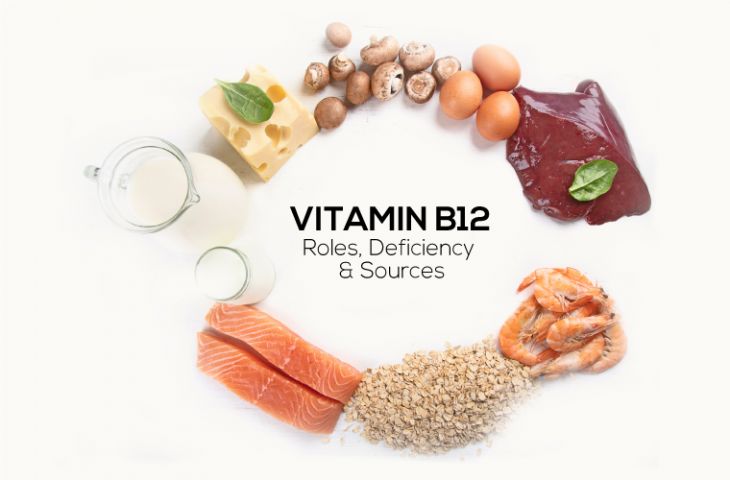
Strict Vegans and Vegetarians: Natural dietary Vitamin B12 is found almost exclusively in animal products like meat, fish, eggs, and dairy. Those who follow a strictly plant-based lifestyle must be highly intentional about consuming fortified foods or high-quality supplements to maintain skin vitality.
-
Older Adults: As we age, our stomachs naturally produce less acid and less of a crucial transport protein called intrinsic factor, both of which are required to unlock and absorb B12 from our food.
-
Individuals on Certain Medications: Long-term use of common medications—such as metformin for blood sugar management or proton pump inhibitors (PPIs) for acid reflux—directly blocks the stomach's ability to process B12 efficiently, often leading to a gradual, unseen drain on the body's reserves.
Nurturing Your Skin From Within
In a world obsessed with quick-fix cosmetic creams, it is easy to forget that radiant skin is an inside job. No amount of expensive topical serum can fully compensate for a lack of the basic raw materials required for cellular division. Vitamin B12 is a shining reminder that true beauty and skin health are deeply intertwined with our internal biology. By ensuring your body has a steady, reliable supply of this essential cellular mechanic, you give your skin the exact fuel it needs to constantly renew, repair, and protect itself—resulting in a complexion that is genuinely healthy from the deepest layer to the surface.