Cardiac Arrest vs Heart Attack: Two Different Heart Emergencies Explained
Many people believe that a heart attack and a cardiac arrest are exactly the same condition. This misunderstanding is common because both involve the heart and can become life-threatening if immediate medical care is not provided. However, these two emergencies affect the body in very different ways. A heart attack mainly occurs when the blood supply to a portion of the heart becomes restricted, while cardiac arrest happens when the heart suddenly stops pumping blood effectively. Knowing the difference is important because the warning signs, emergency response, and treatment methods are not identical. Quick recognition can save lives and prevent severe complications. Modern lifestyles, unhealthy eating habits, stress, smoking, and lack of exercise have increased the number of people experiencing heart-related problems. As a result, awareness of these conditions has become more important than ever. Understanding what happens inside the body during a heart attack or cardiac arrest helps people react quickly and make informed decisions during emergencies. This article explains both conditions in simple language, highlights their major differences, and discusses ways to protect heart health for the future.
Understanding What a Heart Attack Really Means
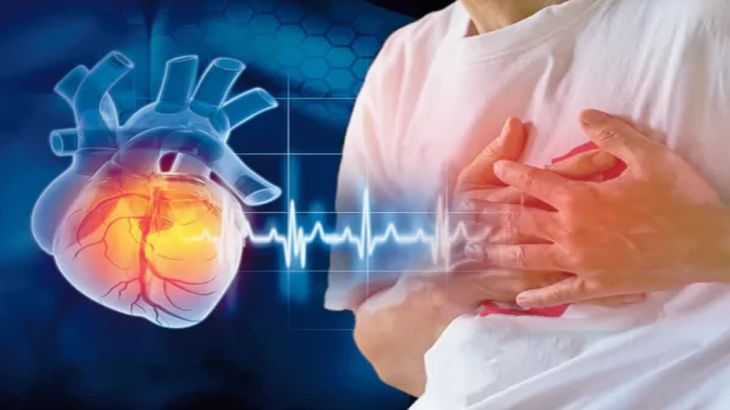
A heart attack develops when the heart muscle does not receive enough oxygen-rich blood. The heart works continuously and requires a steady flow of blood through the coronary arteries. Over many years, these arteries may become narrow because of fatty deposits, cholesterol accumulation, or inflammation. If one of these arteries becomes blocked, the affected part of the heart begins to suffer damage. The body often provides warning signs before severe injury occurs. A person may feel pressure, tightness, heaviness, or discomfort in the chest. Some individuals experience pain in the shoulders, neck, arms, jaw, or upper back. Others may notice unusual tiredness, sweating, nausea, or breathing difficulties. Symptoms can appear gradually or suddenly. During a heart attack, the heart usually continues beating, but it struggles because a section of the muscle lacks sufficient blood. Immediate medical treatment aims to reopen the blocked blood vessel and reduce damage. The sooner treatment begins, the better the chances of recovery. Early recognition of symptoms remains one of the most effective ways to reduce complications and improve long-term heart function.
What Happens During Cardiac Arrest?
Cardiac arrest is a sudden failure of the heart's pumping system. Instead of beating in a coordinated manner, the heart's electrical signals become severely disrupted. Because of this disturbance, the heart cannot circulate blood to the brain and other organs. Within seconds, the affected person may collapse and lose consciousness. Normal breathing often stops or becomes abnormal. Unlike a heart attack, cardiac arrest usually provides little warning. Some people may experience dizziness, palpitations, or fainting shortly before the event, but many cases occur unexpectedly. Without immediate intervention, survival becomes increasingly difficult because the brain depends on a constant supply of oxygen. Cardiopulmonary resuscitation, commonly known as CPR, helps maintain some blood circulation until professional medical help arrives. Automated External Defibrillators (AEDs) can also play a critical role by delivering an electrical shock that may restore a normal heart rhythm. Cardiac arrest is considered one of the most urgent medical emergencies because every minute without treatment reduces the likelihood of survival. Fast action by bystanders can dramatically improve outcomes.
Key Differences Between the Two Conditions
Although both conditions involve the heart, they differ in cause, symptoms, and emergency response. A heart attack is primarily a circulation problem. Blood flow becomes blocked, preventing oxygen from reaching part of the heart muscle. In contrast, cardiac arrest is mainly an electrical problem in which the heart suddenly loses its ability to pump blood effectively. During a heart attack, most people remain conscious and can communicate their symptoms. During cardiac arrest, the individual typically becomes unresponsive almost immediately. A heart attack may develop over several minutes or even hours, while cardiac arrest often occurs suddenly. Another important difference involves treatment. Heart attacks usually require medications or procedures that restore blood flow. Cardiac arrest requires immediate CPR and often defibrillation to restart a normal rhythm. However, these conditions are connected. A severe heart attack can sometimes trigger cardiac arrest if the heart's electrical system becomes unstable. Understanding these distinctions allows people to respond appropriately during emergencies and seek the correct form of medical assistance without delay.
Reducing Risk and Protecting Heart Health
Although not every case can be prevented, many risk factors can be controlled through healthier choices. Regular physical activity strengthens the heart and improves blood circulation. Eating a balanced diet rich in vegetables, fruits, whole grains, and healthy proteins supports cardiovascular health. Smoking damages blood vessels and significantly increases the likelihood of heart-related emergencies, making smoking cessation one of the most beneficial lifestyle changes. Managing blood pressure, cholesterol levels, diabetes, and body weight can also reduce risk. Regular medical checkups help identify problems before they become serious. Stress management is equally important because chronic stress can negatively affect heart function over time. Learning CPR and becoming familiar with AED use can prepare individuals to help during emergencies. Communities with greater awareness and training often achieve better survival outcomes during cardiac events. Protecting heart health requires a combination of personal responsibility, medical guidance, and public education. Small lifestyle improvements made consistently over time can significantly reduce the chances of experiencing a serious heart emergency.
Conclusion
Understanding the difference between cardiac arrest and heart attack can help people respond quickly and potentially save lives.
Both conditions are serious medical emergencies, but they are not the same. A heart attack occurs when blood flow to the heart muscle is restricted, while cardiac arrest results from a sudden failure of the heart's electrical system,Recognizing symptoms, seeking immediate medical care, and maintaining healthy habits are essential steps in protecting cardiovascular health. Increased awareness can improve emergency response, reduce complications, and support better outcomes for individuals and communities alik.