Cardiac Arrest First Aid and CPR: Saving Lives in Critical Moments
Cardiac arrest and sudden heart emergencies are among the most critical health situations that can happen without warning.
While they may seem like a single medical emergency, understanding the differences between cardiac arrest and related conditions is essential for proper response.People experiencing cardiac arrest have a much higher chance of survival when immediate CPR is performed compared to waiting for emergency services alone.When the heart stops beating effectively, oxygen cannot reach the brain and vital organs, making every second count in the response.Understanding the relationship between quick action and survival outcomes is key to preventing permanent brain damage and death.By knowing how to recognize cardiac arrest, learning proper CPR techniques, understanding when to use automated external defibrillators, and staying calm during emergencies, people can increase survival rates significantly.This article examines how cardiac arrest develops, discusses warning signs, covers step-by-step CPR procedures, and highlights practical emergency response strategies to help save lives.
How Cardiac Arrest Develops and Affects the Body
When the heart stops functioning properly, it can lead to a dangerous condition where blood circulation ceases and the brain becomes deprived of oxygen.This sudden stoppage can be caused by dangerous heart rhythms, severe damage to heart muscle, or complete electrical failure in the cardiac system.As oxygen deprivation progresses, the brain begins to suffer damage within minutes, and without intervention, organs begin to fail one by one.People experiencing cardiac arrest often have underlying heart problems that developed slowly over time without symptoms.These include coronary artery disease, where fatty plaque narrows blood vessels, past heart attacks that weakened the heart muscle, or electrical abnormalities in the heart's rhythm system.High blood pressure, smoking, obesity, and family history can all contribute to the conditions that lead to cardiac arrest.Sudden physical stress, extreme temperatures, or drug use can trigger cardiac arrest in susceptible individuals.Because cardiac arrest happens suddenly without warning, many people may not realize how serious the situation is until the person becomes unconscious and stops breathing.Early recognition and immediate CPR are critical for protecting the brain and heart from permanent damage and increasing the chances of recovery.
Common Warning Signs and Risk Factors for Cardiac Arrest
Cardiac arrest and related heart problems share several warning signs and risk factors that help identify people at higher risk.
One of the biggest contributors is age, with older adults facing significantly higher risks of sudden cardiac events.A personal history of heart disease, previous heart attacks, or irregular heart rhythms greatly increases the chance of cardiac arrest occurring.High blood pressure puts constant strain on the heart and blood vessels, weakening them over time and raising cardiac arrest risk.High cholesterol levels can lead to plaque buildup in arteries, blocking blood flow and triggering dangerous heart rhythms.Smoking damages blood vessels and reduces oxygen delivery to the heart muscle, making cardiac arrest more likely.Obesity and lack of physical activity weaken the heart and circulatory system, increasing vulnerability to sudden cardiac events.Diabetes and poorly controlled blood sugar can harm blood vessels throughout the body, including those in the heart.Chronic stress, poor sleep quality, and excessive caffeine or drug use can cause irregular heartbeats and trigger cardiac arrest.Knowing these shared risks helps people recognize if they or loved ones should take preventive action and receive regular heart health checkups.Family history is particularly important, as genetic factors can predispose people to sudden cardiac events.
Step-by-Step CPR Procedures and Proper Technique
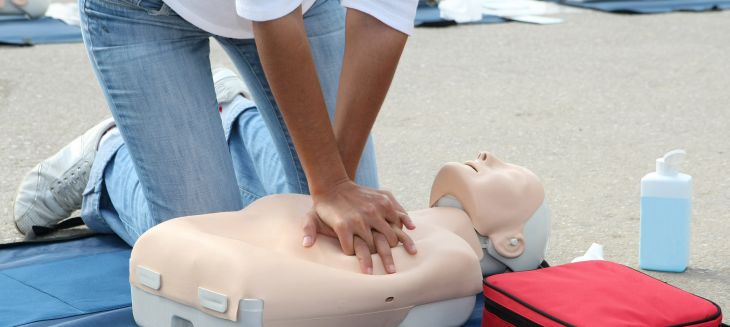
Performing CPR correctly requires knowing the proper sequence of actions and maintaining correct technique throughout the emergency.
The first and most critical step is to call emergency services immediately by dialing 911 and alerting responders to the cardiac emergency.Position the unresponsive person flat on their back on a firm surface to allow proper chest compression.Open the airway by tilting the head back slightly and lifting the chin to prevent the tongue from blocking the passage.Place the heel of one hand on the center of the chest between the nipples, then place your other hand directly on top and lock your fingers together firmly.Push hard and fast on the chest at a rate of 100 to 120 compressions per minute, similar to the beat of the song Stayin' Alive.Compress the chest at least two inches deep for adults, allowing the chest to fully recoil between each compression to allow blood refill.After every 30 chest compressions, deliver two rescue breaths by pinching the nose, sealing your mouth over the victim's mouth, and blowing steadily for one second.Watch for the chest to rise during rescue breaths to confirm air is entering the lungs properly.Continue the cycle of 30 compressions and two breaths repeatedly until emergency personnel arrive or an automated external defibrillator becomes available.If multiple trained rescuers are present, switch roles every two minutes to prevent fatigue and maintain effective compression quality throughout the emergency response.
Using Automated External Defibrillators and When to Deploy Them
Automated external defibrillators are life-saving devices that can restore normal heart rhythm in people experiencing certain types of cardiac arrest.
These devices analyze the heart's electrical activity and deliver therapeutic shocks when dangerous rhythms are detected.AEDs are designed to be used by untrained bystanders, with voice-guided instructions leading rescuers through the entire process step by step.Upon locating an AED, activate the device immediately while CPR continues simultaneously without interruption.Remove the victim's clothing from the chest area if necessary and dry the skin to ensure proper electrode pad contact.Attach the two self-adhesive electrode pads to the victim's chest following the diagram on the pads, typically with one pad below the collarbone and one at the lower left chest.Allow the AED to analyze the heart rhythm for several seconds without moving the victim or touching the patient.If the AED determines that a shock is needed, it will direct everyone to stand clear of the victim before delivering the electrical therapy.After the shock, immediately resume CPR without delay, continuing the pattern of compressions and breaths.Modern AEDs are found in many public locations including airports, shopping centers, schools, offices, and community centers, making them increasingly accessible during emergencies.The combination of immediate CPR and early AED deployment significantly increases survival rates and reduces brain damage risk.
Conclusion
Knowing how to respond to cardiac arrest can save a life in critical emergency situations. People who experience cardiac arrest have much better chances of survival when someone nearby knows CPR and uses it immediately.Learning proper chest compression technique, rescue breathing procedures, understanding when to call emergency services, and knowing how to use AED devices are all essential skills for anyone concerned with community health and safety.Regular CPR training through certified organizations, staying alert to cardiac arrest warning signs in loved ones, and maintaining your own heart health through exercise and healthy eating are important ways to reduce cardiac emergencies.Getting regular medical checkups, managing risk factors like high blood pressure and high cholesterol, and treating existing heart conditions properly can prevent many cases of sudden cardiac arrest.Being informed and prepared to respond quickly can make the difference between life and death, permanent disability and full recovery, and can give someone a second chance at a healthy life.