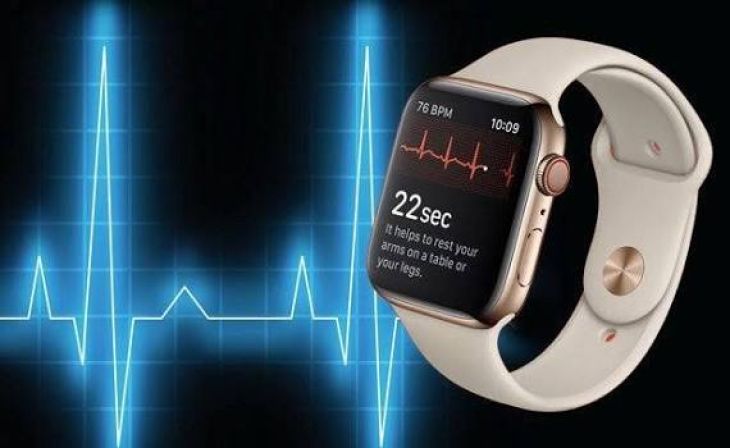
How AI-Powered Wearable Sensors Are Being Studied for Early Detection of Irregular Heart Rhythms
Heart rhythm problems can sometimes develop without noticeable warning signs. Some people experience a racing heartbeat, dizziness, or shortness of breath, while others may not notice anything unusual. Certain irregular heart rhythms, such as atrial fibrillation, can increase the risk of serious complications if they remain undetected.
Researchers are exploring how artificial intelligence and wearable sensors could make heart monitoring easier and more continuous. Smartwatches, fitness bands, and other wearable devices can collect heart-related information throughout the day. AI systems can then analyze these measurements to identify patterns that may indicate an irregular heartbeat.
What Are AI-Powered Wearable Sensors?
AI-powered wearable sensors are small electronic components built into devices that people can wear on their bodies. They collect health-related measurements and use artificial intelligence to analyze the information.
Many smartwatches and fitness trackers already include sensors that measure heart rate. Some advanced devices also offer features designed to identify possible irregular heart rhythms.
These devices may collect information such as:
-
Heart rate and changes in heartbeat patterns
-
Electrical signals produced by the heart
-
Blood oxygen levels
-
Physical activity and movement
-
Sleep patterns and resting heart rate
AI software can examine this information and look for patterns that differ from a person's usual heart activity.
How Do Wearable Sensors Monitor Heart Rhythms?
Wearable devices use different technologies to collect heart-related data. Two important methods are optical heart-rate monitoring and electrocardiography.
Photoplethysmography Sensors
Photoplethysmography, commonly called PPG, uses light to measure changes in blood volume beneath the skin.
A smartwatch shines light into the wrist and detects how the reflected light changes as blood moves through the blood vessels. These changes help estimate the user's heart rate.
PPG sensors can collect measurements regularly throughout the day. However, movement, loose device placement, skin characteristics, and other factors can affect the readings.
Electrocardiogram Sensors
Some wearable devices include an electrocardiogram, or ECG, feature. It records electrical signals generated by the heart.
A single-lead wearable ECG can capture a short recording when the user activates the feature. This information may help identify certain rhythm abnormalities, including possible atrial fibrillation.
However, a wearable ECG is not the same as a complete medical ECG test. A doctor may recommend additional monitoring to understand the heart's electrical activity more fully.
How Does Artificial Intelligence Identify Irregular Heart Rhythms?
Artificial intelligence helps wearable devices analyze large amounts of collected data. Instead of relying only on individual readings, AI algorithms can examine patterns over time.
The process generally involves several stages.
Collecting Heart Data
The wearable device records heart-rate measurements or ECG signals. Depending on the device, information may be collected during rest, exercise, sleep, or normal daily activities.
Analyzing Patterns
AI algorithms examine the collected signals to identify unusual changes. They may look for variations in heartbeat timing, rhythm patterns, or other features associated with possible abnormalities.
Identifying Possible Irregularities
If the software detects a pattern that may indicate an irregular rhythm, it can generate an alert. Some devices may specifically look for signs associated with atrial fibrillation.
An alert is not a confirmed diagnosis. It indicates that the user may need further medical evaluation.
Sharing Information With Healthcare Professionals
Some wearable devices allow users to save or share heart recordings with healthcare professionals. These records may help doctors understand when unusual episodes occurred and decide whether additional testing is necessary.
Why Is Early Detection of Irregular Heart Rhythms Important?
An irregular heart rhythm is also known as an arrhythmia. Some arrhythmias are harmless, while others can affect how effectively the heart pumps blood.
Atrial fibrillation is one important example. It causes the upper chambers of the heart to beat irregularly. This can allow blood to collect in the heart and increase the risk of blood clots and stroke.
Many people with atrial fibrillation experience noticeable symptoms, but others have episodes without realizing it.
Continuous or repeated wearable monitoring may help identify possible irregularities that are missed during occasional medical appointments. Earlier identification can encourage people to seek medical advice and receive appropriate testing.
What Are Researchers Studying?
Researchers are exploring several ways to make AI-based heart monitoring more accurate and useful.
Detecting Short or Unnoticed Episodes
Some irregular heart rhythms occur only occasionally. Researchers are studying whether wearable sensors can identify brief episodes that might otherwise go unnoticed.
Improving AI Accuracy
Movement, exercise, poor sensor contact, and other factors can produce inaccurate readings. Researchers are developing algorithms that can distinguish genuine rhythm abnormalities from normal changes and recording errors.
Combining Different Health Measurements
Some research examines whether combining heart-rate data, ECG signals, sleep information, and activity measurements can improve the identification of unusual patterns.
Personalized Heart Monitoring
AI systems may eventually become better at understanding an individual's usual heart patterns. This could help identify changes that are unusual for that person rather than relying only on general reference patterns.
However, these approaches require careful clinical testing before their benefits can be established.
What Are the Benefits and Limitations?
AI-powered wearable sensors may offer several advantages:
Convenient monitoring: People can collect heart-related information during everyday activities.
More frequent measurements: Devices may identify unusual patterns that occur outside medical appointments.
Earlier awareness: Alerts can encourage users to discuss possible symptoms or irregular readings with a doctor.
Useful health records: Saved recordings may provide additional information during medical consultations.
Despite these advantages, wearable technology has limitations. Devices can produce false alerts or miss certain irregular rhythms. Readings may also be affected by movement, incorrect placement, battery problems, or sensor quality.
Not every smartwatch can detect atrial fibrillation, and not every irregular heartbeat requires the same treatment. Wearable sensors should not replace professional diagnosis, medical ECG testing, or prescribed heart monitoring.
FAQs
Can a smartwatch detect an irregular heartbeat?
Some smartwatches can identify patterns that may suggest an irregular rhythm, including possible atrial fibrillation. However, their features and accuracy vary by device.
Can AI detect atrial fibrillation before symptoms appear?
AI-powered monitoring may identify patterns associated with atrial fibrillation even when a person does not notice symptoms. However, an alert needs medical evaluation and is not a confirmed diagnosis.
Are wearable heart monitors accurate?
Accuracy depends on the device, sensor quality, recording conditions, and type of heart rhythm problem. Wearable readings can be useful, but they may sometimes produce incorrect results.
Should people visit a doctor after receiving an irregular rhythm alert?
Yes. People should discuss repeated or concerning alerts with a healthcare professional. Anyone experiencing chest pain, fainting, severe breathlessness, or other serious symptoms should seek urgent medical attention.
Conclusion
AI-powered wearable sensors are creating new possibilities for monitoring heart rhythms outside hospitals and clinics. By combining optical sensors, ECG technology, and artificial intelligence, these devices can identify patterns that may indicate irregular heartbeats.
Researchers are working to improve their accuracy, reduce false alerts, and make monitoring more personalized. While this technology may help people recognize possible heart rhythm problems earlier, it cannot replace medical testing or professional advice. Wearable alerts should be treated as a reason to seek appropriate evaluation, not as a final diagnosis.