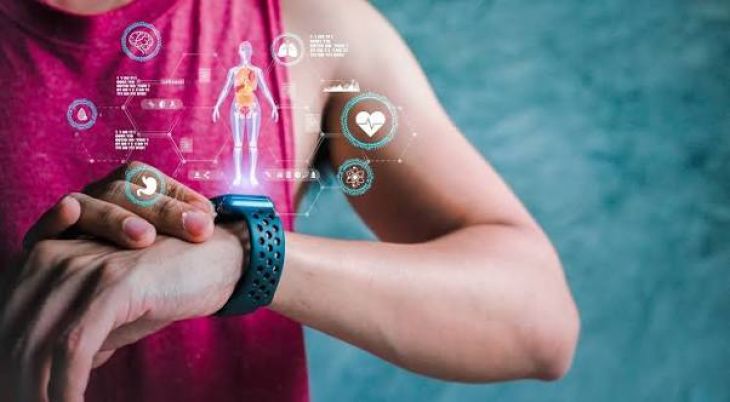
How Wearable Devices Are Transforming Health Monitoring
Technology has become an integral part of modern healthcare, and wearable devices are among the most impactful innovations in recent years.
Smartwatches, fitness bands, and other wearable health devices are no longer just for counting steps or tracking workouts.They now monitor heart rate, sleep quality, blood oxygen levels, physical activity, stress indicators, and can even detect irregular heart rhythms in some instances.These devices give users real-time health information, helping them better understand their bodies and develop healthier habits.Doctors are also starting to use data from wearables to assist in patient care, especially for people with ongoing medical conditions who require regular monitoring.While wearable technology offers great potential, it also has limitations, such as data accuracy and privacy concerns.Understanding the benefits and challenges of wearable health devices helps people make informed decisions about incorporating them into their daily lives.This article discusses how wearable devices are changing health monitoring, their main uses, their pros and cons, and their growing role in the future of healthcare.
What Are Wearable Health Devices?
Examples include smartwatches, fitness trackers, smart rings, and wearable medical sensors.These devices use built-in sensors to measure health indicators like heart rate, steps taken daily, calories burned, sleep time, blood oxygen levels, and activity levels.Some advanced devices can also perform single-lead electrocardiogram (ECG) tests, monitor skin temperature, or detect falls in the elderly.The information is sent to smartphone apps, helping users see trends over time.Instead of only relying on occasional checkups, wearables provide ongoing data that might help spot changes in health.However, they are meant to support health awareness, not replace professional medical diagnosis.The accuracy of measurements can vary based on the device, sensor technology, and how it's worn.Knowing what wearables can and cannot do helps users use them wisely and seek medical advice when needed.
How Wearables Improve Everyday Health Monitoring
One major benefit of wearable devices is their ability to encourage healthier daily routines.
Many wearables remind users to be active after long periods of sitting, set fitness goals, and track progress toward those goals.Continuous heart rate monitoring lets people see how exercise, stress, or rest impacts their heart.Sleep tracking features help users understand their sleep patterns, encouraging better sleep habits.Some wearables also estimate stress levels by looking at heart rate variability and offer guided breathing exercises to help relax.People managing chronic conditions like high blood pressure or heart disease might find it helpful to monitor trends in their health, which can be shared with doctors when appropriate.Remote patient monitoring has also become more common, allowing doctors to view selected wearable data between visits.This may lead to earlier detection of health issues and better disease management over time.Although wearables can’t diagnose diseases on their own, they give valuable insights that can encourage preventive care and help users maintain healthier lifestyles through regular self-monitoring.
Benefits and Challenges of Wearable Technology
Wearable health devices offer many benefits for individuals and the healthcare system.
Continuous health tracking increases awareness of daily habits and motivates users to take an active role in their well-being.Many people find motivation through activity goals, reminders to exercise, and reports showing their progress.Doctors can also benefit from additional health data that complements traditional clinical evaluations.However, wearable technology has some important limitations.Measurements may not always be accurate due to factors like poor device placement, skin type, movement, or technical issues.Users should not make medical decisions based on wearable readings alone without consulting a healthcare professional.Privacy is another concern since these devices collect sensitive health information.It's important for manufacturers and users to ensure strong security measures to protect this data from unauthorized access.Another challenge is information overload, as constant health notifications can cause unnecessary worry for some people.Understanding these limitations helps users set realistic expectations and use these devices as supportive tools, not as a replacement for professional medical care.
The Future of Wearable Health Monitoring
The future of wearable health technology is evolving quickly as new sensors and artificial intelligence are added to healthcare devices.
Researchers are working on wearables that can track additional health indicators like blood glucose levels, hydration status, breathing function, and early signs of infections.Artificial intelligence may also improve the interpretation of continuous health data by identifying patterns that humans might miss.Wearable devices are expected to play a bigger role in telemedicine, allowing doctors to monitor patients from a distance and offer timely medical advice.Hospitals and research institutions are exploring ways to combine wearable data with electronic health records to create more personalized treatment plans.As technology advances, wearables may help find diseases earlier and improve preventive healthcare.However, making sure the data is accurate, protecting patient privacy, and using health information responsibly will remain crucial.Continued innovation, scientific validation, and thoughtful regulation will determine how successfully wearable technology becomes part of daily medical practice and improves health outcomes in various healthcare settings.
Conclusion
Wearable health devices have changed the way people track their health by providing continuous access to information on physical activity, heart health, sleep, and overall wellness.
These technologies encourage healthier lifestyles, boost health awareness, and support preventive care by helping users notice important changes in their habits. Doctors are also finding new ways to use data from wearables to enhance traditional medical care and improve long-term disease management.