Why Vitamin B1 (Thiamine) Is Important for Nerve Function and Energy Production
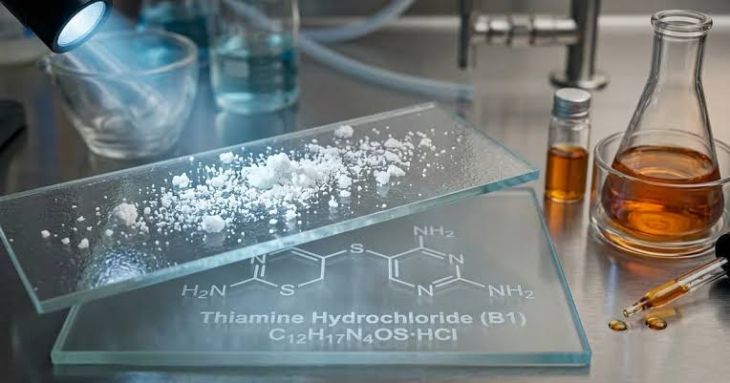
Vitamin B1, also known as thiamine, is an essential water-soluble vitamin that helps the body convert food into usable energy. It plays an important role in carbohydrate metabolism and supports the normal functioning of the nervous system, muscles, and heart. Since the body cannot produce enough thiamine on its own, it must be obtained regularly through food.
Thiamine is naturally present in foods such as whole grains, pulses, nuts, seeds, pork, and some fortified cereals. It is particularly important because nerve cells depend on a steady supply of energy to communicate properly and carry out their daily functions.
Although the body needs only a small amount of vitamin B1, inadequate intake over time can affect several body systems. Understanding its functions, food sources, and deficiency symptoms can help you make better dietary choices and maintain overall health.
How Vitamin B1 Helps the Body Produce Energy
One of the main functions of vitamin B1 is supporting the process through which the body converts carbohydrates into energy. Foods such as rice, wheat, potatoes, and fruits provide carbohydrates that are broken down into glucose. Cells then use glucose to produce energy.
Thiamine is converted into an active form called thiamine pyrophosphate (TPP), also known as thiamine diphosphate. This form acts as a coenzyme in several important metabolic reactions.
TPP helps enzymes involved in glucose metabolism and the production of energy within cells. It supports reactions that allow the body to process carbohydrates and certain amino acids. These processes are important for maintaining normal cellular activity.
Without enough thiamine, the body cannot perform these reactions efficiently. This can interfere with normal energy metabolism and contribute to symptoms such as tiredness, weakness, and reduced appetite.
However, taking extra vitamin B1 does not automatically increase energy or reduce fatigue in people who already get enough of the vitamin. Its main role is to support normal metabolism and prevent deficiency.
The Importance of Vitamin B1 for Healthy Nerve Function
The nervous system needs a continuous supply of energy to transmit messages between the brain, spinal cord, and different parts of the body. Vitamin B1 supports this process by helping nerve cells use glucose and maintain their normal functions.
Thiamine is involved in metabolic reactions that provide energy for nerve cells. It also contributes to processes involved in maintaining normal nerve tissue and supporting communication between cells.
When the body does not receive enough vitamin B1, nerve function can become affected. A deficiency may cause symptoms such as tingling, numbness, muscle weakness, and difficulty walking.
Severe thiamine deficiency can lead to neurological conditions, including dry beriberi and Wernicke encephalopathy. Wernicke encephalopathy is a serious medical condition that can cause confusion, problems with eye movements, and difficulty coordinating movements. It requires urgent medical treatment.
Maintaining adequate vitamin B1 intake through food is therefore important for normal nervous system health.
How Vitamin B1 Supports Heart and Muscle Function
Vitamin B1 also plays a role in maintaining normal heart and muscle function. Both the heart and skeletal muscles require energy to contract and perform their regular activities.
Since thiamine helps the body process carbohydrates and produce energy, it supports the metabolic processes needed by muscle and heart cells.
A severe deficiency can affect the cardiovascular system and may cause a condition known as wet beriberi. Symptoms can include a rapid heartbeat, swelling in the legs, and fluid buildup. In serious cases, the condition can lead to heart failure.
Thiamine is not a treatment for heart disease or muscle disorders. However, getting enough of this vitamin is important for supporting normal energy metabolism in tissues that depend on a continuous energy supply.
Best Food Sources of Vitamin B1
Vitamin B1 is found in a variety of plant-based and animal-based foods. Including different sources in daily meals can help maintain an adequate intake.
Some useful food sources include:
-
Whole grains: Brown rice, whole wheat, and oats provide thiamine and other nutrients.
-
Pulses and legumes: Lentils, beans, and peas contribute vitamin B1 along with plant protein and fiber.
-
Nuts and seeds: Sunflower seeds, flaxseeds, and some nuts provide thiamine.
-
Pork: Pork is a particularly good animal-based source of vitamin B1.
-
Fortified cereals: Some breakfast cereals and grain products have added thiamine.
-
Green peas: They provide vitamin B1 along with fiber and other vitamins.
-
Yeast: Nutritional yeast and certain yeast products can provide thiamine, depending on the product.
Food preparation also matters. Thiamine is water-soluble and can be lost during cooking, especially when foods are boiled in large amounts of water and the cooking liquid is discarded. Using suitable cooking methods and including a variety of foods can help preserve nutrient intake.
Daily Vitamin B1 Requirements and Deficiency Signs
The amount of vitamin B1 required depends on age, sex, and life stage. For most adults, the recommended daily intake is approximately 1.2 mg for men and 1.1 mg for women. Requirements increase during pregnancy and breastfeeding.
A deficiency can develop when the diet does not provide enough thiamine or when the body has difficulty absorbing or using it. Certain factors, including prolonged heavy alcohol use, severe malnutrition, some digestive conditions, and certain medical treatments, can increase the risk.
Early symptoms may include:
-
Tiredness and weakness
-
Reduced appetite
-
Irritability
-
Tingling or numbness in the hands and feet
-
Muscle weakness
-
Difficulty concentrating
Severe deficiency can cause beriberi or Wernicke encephalopathy. These conditions need prompt medical attention and should not be managed through dietary changes alone.
People who have symptoms or are at risk of deficiency should seek medical advice rather than starting high-dose supplements without guidance.
Simple Ways to Include More Vitamin B1 in Your Daily Diet
Adding thiamine-rich foods to everyday meals is a practical way to support normal energy metabolism and nerve function.
Here are some easy ideas:
-
Breakfast: Choose oatmeal or a fortified whole-grain cereal.
-
Lunch: Include lentils, beans, or peas with rice or whole-wheat roti.
-
Evening snack: Eat a small portion of sunflower seeds or nuts.
-
Dinner: Include whole grains with vegetables and a protein-rich food.
-
Meal preparation: Use a variety of grains and pulses instead of relying only on refined cereals.
Choosing whole grains more often can be helpful because refining grains may remove some of the thiamine found in their outer layers. Fortified foods can also contribute to daily intake.
Conclusion
Vitamin B1, or thiamine, is an essential nutrient that supports energy production, nerve function, and normal heart and muscle activity. It helps the body process carbohydrates and other nutrients through its active form, thiamine pyrophosphate.
Foods such as whole grains, lentils, beans, nuts, seeds, pork, and fortified cereals can help provide the thiamine needed for daily health. Including a variety of these foods in a balanced diet is a simple way to prevent deficiency and support normal body functions. People with symptoms or medical conditions that increase their risk of deficiency should seek professional advice for appropriate evaluation and treatment.