Use of Turmeric
For thousands of years, turmeric (Curcuma longa) was treated primarily as a sacred artifact of traditional medicine or a staple culinary spice in South Asian kitchens. Today, however, this brilliant orange-yellow root is breaking out of the spice rack and stepping directly into the spotlight of the modern global food industry. We are currently living in an era where consumers are no longer just eating for basic survival or hunger; they are eating for performance, longevity, and disease prevention. This shift has given rise to the massive trend of "functional foods"—everyday dietary items that are intentionally enriched with natural, bioactive ingredients to provide health benefits far beyond basic nutrition.
Turmeric is the undisputed poster child of this functional food movement. Its transformation from a simple curry ingredient into an industrial health powerhouse is a testament to how modern food science is successfully validating and repurposing ancient botanical wisdom for our fast-paced daily lives.
What Makes Turmeric a "Functional" Ingredient?
To understand why turmeric is being added to everything from bottled juices to morning granola, we have to look closely at its chemical resume. The root is packed with a family of active compounds called curcuminoids, with curcumin being the absolute heaviest hitter.
Curcumin is a powerful polyphenol (a plant-based antioxidant) that acts like a master key inside the human body. It does not just target one single issue; instead, it interacts with dozens of cellular signaling pathways simultaneously.
When we consume turmeric regularly as part of our diet, its active molecules go to work on a systemic level. They help calm the low-grade, chronic inflammation that scientists now know sits at the absolute root of most modern lifestyle diseases, including heart conditions, metabolic issues, and joint degradation. By adding turmeric to functional foods, manufacturers are essentially turning casual, daily snacking into an active, protective shield for our long-term health.
The Golden Spread: Turmeric in Modern Functional Foods
Walk down the aisle of any modern health food store, and you will see that food scientists have found incredibly creative ways to infuse turmeric into the daily routines of busy people. It is no longer just about taking a chalky supplement pill; it is about upgrading the foods we already love to eat.
-
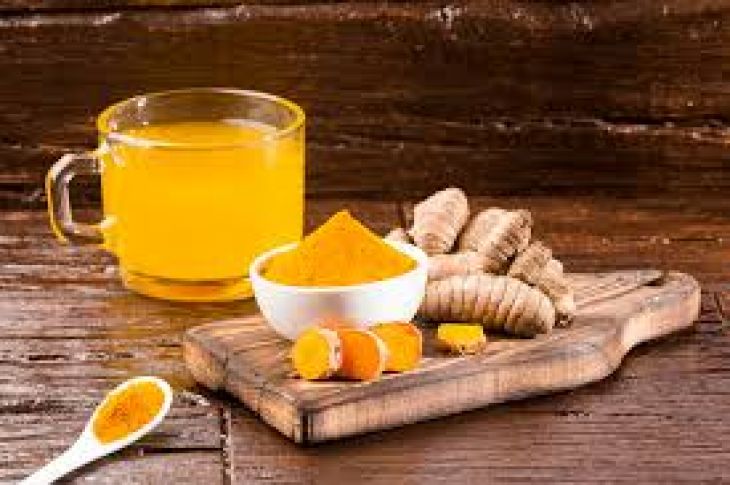
Golden Milks and Functional Lattes: Perhaps the most famous modern revival is the "Golden Milk" or Turmeric Latte. Inspired by the traditional Indian remedy Haldi Doodh, these beverages blend powdered turmeric with dairy or plant-based milks (like oat or almond) along with warming spices like cinnamon and ginger. They are widely consumed as a soothing, caffeine-free afternoon pickup or a bedtime wind-down drink aimed at reducing systemic stress.
-
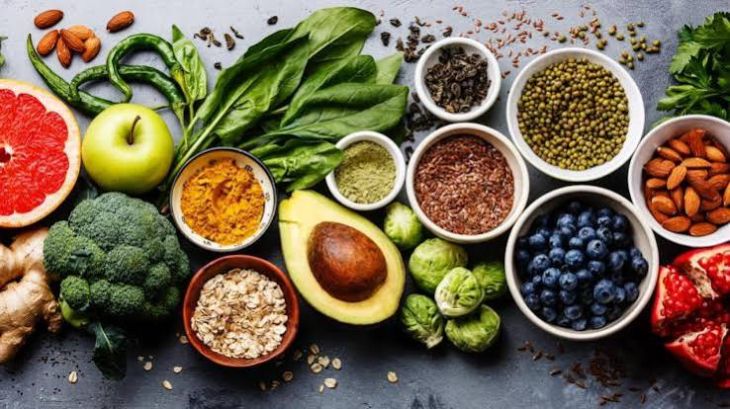
Enriched Snack Bars and Granola: For health-conscious people on the move, turmeric is now frequently baked directly into protein bars, nut mixes, and morning granolas. Combined with seeds and healthy fats, these snacks offer a sustained release of energy alongside a steady dose of cellular protection.
-
Bioactive Juices and Wellness Shots: Cold-pressed juice bars routinely feature intense, fiery "wellness shots" where fresh turmeric root juice is combined with ginger, lemon, and a kick of black pepper. These concentrated shots are designed to deliver a rapid, highly absorbable burst of antioxidants straight to the gut.
-
Functional Fermented Foods: Fermentation is a natural partnership for this golden root. Modern food brands are actively producing turmeric-infused kombucha, sauerkrauts, and kimchis. The natural fermentation process breaks down the root's complex fibers, making its health-giving compounds even more accessible to our digestive system.
Bringing the Gold Into Your Kitchen: Daily Dietary Strategy
While buying pre-made functional foods is incredibly convenient, the absolute most affordable and sustainable way to utilize turmeric is to build it directly into your home cooking. You do not need to cook elaborate, authentic curries every single night to get your daily dose of curcumin.
Integrating turmeric into your diet can be as simple as adding a half-teaspoon of the ground spice to your morning scrambled eggs or tofu scramble, which instantly upgrades the dish with a rich color and a subtle earthy warmth. You can toss roasted root vegetables—such as sweet potatoes, carrots, and cauliflower—in olive oil, salt, and turmeric before popping them into the oven.
The spice also makes a fantastic, vibrant addition to cooked grains; cooking your rice, quinoa, or oats in a broth infused with a spoonful of turmeric turns a simple side dish into a beautiful, functional powerhouse.
Cracking the Code of Turmeric Absorption
If you want to truly maximize the benefits of turmeric in your daily diet, you must understand its biggest biological limitation: bioavailability.
Raw curcumin is naturally stubborn. It does not dissolve well in water, and our livers are incredibly efficient at identifying it, breaking it down, and flushing it out of our systems almost immediately after we swallow it. If you just mix plain turmeric powder into a glass of plain water and drink it, almost none of the active medicine will survive the journey into your bloodstream.
To crack this absorption code, you must always cook or consume turmeric with two specific partners:
-
A Healthy Fat: Because curcumin is fat-soluble, it dissolves much better in lipids than in water. Pairing your turmeric with healthy fats like extra virgin olive oil, grass-fed ghee, coconut milk, or avocado allows your intestines to package the curcumin molecules into tiny droplets that are easily absorbed into your lymphatic system.
-
A Pinch of Black Pepper: Black pepper contains a sharp, pungent alkaloid called piperine. Piperine temporarily shuts down the specific liver enzymes that normally destroy curcumin. Landmark nutritional studies have shown that pairing black pepper with turmeric increases curcumin's absorption rate by an astonishing 2,000 percent, unlocking the spice's full therapeutic potential.
A Flavorful Investment in Longevity
Embracing turmeric within functional foods and your daily diet is a beautiful reminder that true health does not have to come from a pharmacy or an overly restrictive diet plan. Food is meant to be enjoyed, celebrated, and shared. By intentionally weaving this vibrant, golden spice into our modern dietary patterns—whether through a comforting warm mug of golden milk on a rainy evening, a crisp shot of fresh juice after a tough workout, or a beautifully seasoned tray of roasted vegetables at the family dinner table—we are actively choosing a path of proactive, preventative wellness. We are honoring a botanical ally that has protected human health for thousands of years, ensuring our bodies stay resilient, vibrant, and thoroughly nourished for the long journey ahead.