Understanding Endometriosis and Its Effects on the Body
Biology dictates that the uterine lining, or endometrium, undergoes a cyclic process of proliferation and shedding, governed by shifting endocrine signals. When cells structurally identical to this lining establish themselves outside the uterus, the resulting condition is clinically termed endometriosis. This is far more than a localized gynecological nuisance; it represents a chronic, multi-systemic disease driven by hormone sensitivity and persistent immune activation. By examining how these displaced cell clusters interact with surrounding anatomy and systemic physiology, one gains a clearer perspective on why this condition profoundly diminishes a patient’s overall quality of life.
1. Mechanisms of Ectopic Tissue Development
Endometriosis is characterized by the presence of glandular and stromal cells in anatomical sites where they do not naturally belong.
-
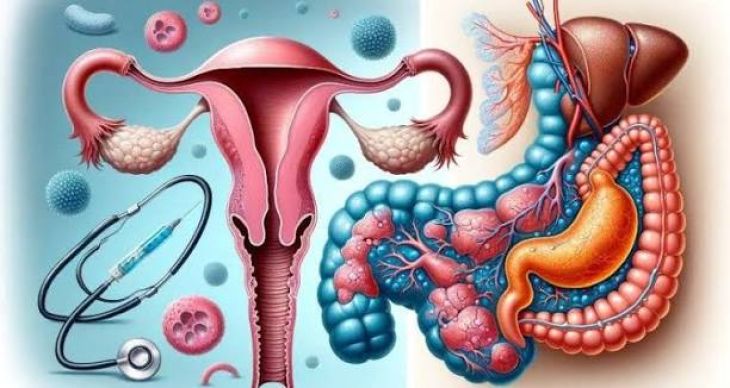
Primary Distribution: These cellular implants gravitate toward the pelvic floor, frequently anchoring to the ovaries, fallopian tubes, uterosacral ligaments, and the rectovaginal septum. In less common scenarios, they may inhabit the diaphragm, umbilical region, or pleural cavity.
-
The Cyclic Paradox: Regardless of their location, these implants remain biologically "programmed" to respond to systemic estrogen. During each menstrual cycle, they thicken and hemorrhage. Unlike the uterus, which has a clear exit for blood, these internal sites have no drainage mechanism. Consequently, blood pools, causing localized irritation, the recruitment of immune cells, and the eventual development of fibrous scar tissue, known as adhesions, which can tether internal organs together.
Current scientific consensus suggests that a combination of retrograde menstruation—where fluid exits through the fallopian tubes—genetics, and altered immune surveillance contributes to the survival and implantation of these cells.
2. Clinical Indicators and Symptom Patterns
The severity of a patient’s symptoms does not always correlate with the volume of visible disease. A patient may have extensive scarring with mild symptoms, while another with minimal lesions may experience debilitating pain. Common markers include:
-
Cyclic Pelvic Distress: A hallmark presentation is severe cramping (dysmenorrhea) that begins days before menstruation and intensifies during the flow.
-
Mechanical and Nerve-Related Pain: Deep pelvic discomfort during sexual activity (dyspareunia) often results from lesions pressing against sensitive pelvic ligaments.
-
Visceral Dysfunction: When lesions affect the bowel or bladder, individuals may notice cyclical changes in bowel habits, urgency, or hematuria (blood in the urine).
-
Systemic Fatigue: The constant demand on the body to mitigate chronic inflammation often manifests as profound exhaustion, sometimes described as "brain fog" or general malaise.
3. Broader Physiological Consequences
Viewing endometriosis as a pelvic-only issue overlooks its systemic nature. The disease effectively reshapes the body’s internal chemical environment.
The Pro-Inflammatory State
Endometriotic lesions function as active endocrine and immunological hubs. They secrete signaling proteins called cytokines and prostaglandins into the peritoneal cavity. This chemical surge creates a "toxic" environment that can trigger widespread oxidative stress, affecting nerve sensitivity and altering pain thresholds throughout the pelvis and lower back.
Reproductive and Fertility Challenges
Endometriosis is a primary factor in many cases of subfertility.
-
Anatomic Alterations: Adhesions may physically obstruct the path of the oocyte (egg) from the ovary to the fallopian tube.
-
Environmental Hostility: The inflammatory milieu can be toxic to both sperm and embryos, potentially interfering with the delicate process of implantation in the uterus. Ovarian "chocolate cysts" (endometriomas) may also reduce the overall reserve of healthy eggs.
Psychological Load
The "invisible" nature of the condition frequently leads to delayed diagnosis. The combination of chronic physical agony and medical gaslighting—where symptoms are minimized by providers—places patients at a significantly higher risk for clinical anxiety and depressive disorders.
4. Establishing a Diagnosis
Diagnostic pathways rely on clinical suspicion followed by visualization.
-
Symptom Mapping: Physicians prioritize detailed accounts of pain timing and severity.
-
Imaging Protocols: While routine pelvic exams may feel normal, high-resolution transvaginal ultrasounds or specialized MRI protocols are highly effective at mapping deep-infiltrating nodules and ovarian cysts.
-
Gold Standard Verification: Definitive diagnosis typically requires laparoscopic exploration. This surgical method allows for the visual identification of lesions and the simultaneous collection of tissue samples (biopsy) to confirm the presence of endometrial glands.
5. Modern Therapeutic Frameworks
Management is highly individualized, focusing on symptom control and long-term organ preservation rather than a definitive "cure."
-
Endocrine Suppression: Medications that lower systemic estrogen—including oral contraceptives, progestin-only therapies, and GnRH modulators—effectively "put the lesions to sleep" by stopping the cycle of proliferation and bleeding.
-
Targeted Surgical Removal: Excision surgery, performed by specialists, involves carefully cutting away lesions and separating adhesions. This is generally preferred over ablation (burning), as excision provides better tissue for diagnosis and lower rates of recurrence.
-
Integrative Supportive Care: Addressing the systemic impact often requires a team approach, including pelvic floor physical therapy to reduce muscle guarding, nutritional strategies to manage inflammation, and cognitive behavioral therapy to manage pain perception.
Conclusion
Endometriosis is a pervasive condition that demands a departure from outdated "period pain" narratives. By recognizing it as a systemic inflammatory disease, both patients and clinicians can prioritize earlier intervention and more robust support. Through a combination of precise imaging, hormonal management, and skilled surgical intervention, those living with this condition can successfully regain control over their physical health and quality of life.