Understanding Uricosuric Medicines: How They Help the Body Remove Excess Uric Acid
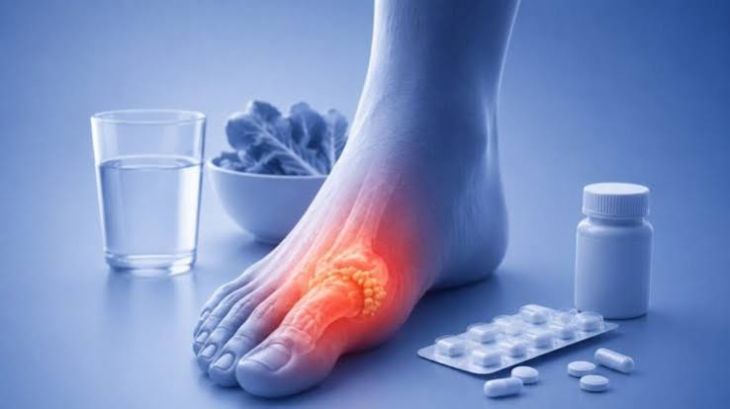
Maintaining systemic metabolic balance requires strict control over the production and renal elimination of purine degradation products. In human physiology, uric acid represents the final metabolic byproduct of endogenous and exogenous purine nucleotide catabolism. Because humans lack the functional uricase enzyme required to break down uric acid into highly soluble allantoin, systemic uric acid concentrations remain close to their physical solubility limit in biological fluids. Under normal physiological conditions, approximately two-thirds of the daily uric acid load is excreted by the kidneys, while the remaining third is cleared through the gastrointestinal tract. Hyperuricemia develops when purine overproduction, renal underexcretion, or a combination of both elevates serum urate levels above its saturation threshold of roughly 6.8 mg/dL. Prolonged hyperuricemia promotes monosodium urate crystal deposition in articular cartilage, synovial tissues, and renal parenchyma, triggering recurrent gouty arthritis, tophaceous deformities, and urate nephropathy. Uricosuric medicines represent a distinct class of antihyperuricemic agents specifically designed to enhance the renal clearance of uric acid by inhibiting its reabsorption within the renal tubules.
Renal Transport Mechanics and the URAT1/OAT4 Pathway
The renal handling of uric acid involves a complex, multi-step transport mechanism localized within the epithelial cells of the proximal convoluted tubule. Filtered freely at the glomerulus, virtually all circulating urate enters the early proximal tubule, where specialized transmembrane transport proteins regulate its reabsorption back into the peritubular capillaries. The primary molecular gatekeeper driving urate reabsorption is Urate Transporter 1 (URAT1, encoded by the SLC22A12 gene), an anion exchanger located on the apical membrane of proximal tubular epithelial cells. URAT1 facilitates the uptake of luminal urate in exchange for intracellular organic anions like lactate or acetoacetate. Working in tandem with URAT1, Organic Anion Transporter 4 (OAT4) further mediates luminal urate reabsorption. Once inside the tubular cell, urate exits across the basolateral membrane into the bloodstream via GLUT9 transporters. Uricosuric agents exert their therapeutic effect by selectively binding to and inhibiting URAT1 and OAT4 transporters. Blocking these apical transport proteins prevents urate reabsorption, trapping filtered uric acid within the tubular lumen and significantly increasing its fractional excretion in urine.
Pharmacodynamics of Specific Uricosuric Agents
Clinical practice utilizes several distinct uricosuric compounds, each exhibiting unique pharmacodynamic profiles and administration guidelines. Probenecid, one of the earliest developed uricosurics, acts as a competitive inhibitor of URAT1 and organic anion transporters. By reducing renal tubule reabsorption of urate, probenecid lowers serum uric acid concentrations while transiently increasing urinary urate levels. Sulfinpyrazone operates through similar transporter blockade mechanisms, though its clinical use has largely declined due to gastrointestinal and hematological side effects. Benzbromarone represents a highly potent URAT1 inhibitor that remains widely utilized in many parts of the world, offering robust urate-lowering efficacy even in patients with moderate renal impairment, although its clinical use requires monitoring for potential hepatotoxicity. Lesinurad, a selective uric acid reabsorption inhibitor (SURI), was specifically engineered to inhibit URAT1 and OAT4 without inhibiting organic anion transporters involved in drug-drug interactions, and is typically co-administered alongside xanthine oxidase inhibitors like allopurinol or febuxostat to achieve dual-mechanism urate suppression.
Clinical Indications, Patient Selection, and Underexcreter Profiling
Uricosuric therapy is primarily indicated for the chronic management of hyperuricemia in patients with established gout, particularly those demonstrated to be "underexcreters" of uric acid. Pathophysiologically, more than ninety percent of individuals with primary hyperuricemia and gout suffer from inefficient renal urate clearance rather than metabolic purine overproduction. Candidates for uricosuric monotherapy typically include patients with preserved renal function who exhibit reduced fractional excretion of uric acid (defined as clearing less than 600 mg of uric acid per 24 hours on a purine-restricted diet) and have no prior history of nephrolithiasis. In patients who fail to achieve target serum urate levels (below 6.0 mg/dL, or below 5.0 mg/dL in severe tophaceous gout) using maximum tolerated doses of xanthine oxidase inhibitors alone, adding a uricosuric agent provides synergistic dual-mechanism control by simultaneously decreasing urate production and accelerating renal excretion.
Pathophysiological Hazards and Risk Mitigation Protocols
Despite their therapeutic utility, uricosuric medicines introduce specific physiological risks that require careful clinical management and risk mitigation strategies. The primary hazard associated with initiating uricosuric therapy is acute urolithiasis (kidney stone formation) and precipitation of acute urate nephropathy. By rapidly increasing the concentration of uric acid within the collecting ducts and renal pelvis, uricosurics can cause supersaturation and crystallization of uric acid, particularly in acidic urine environments where urate solubility drops dramatically. To prevent urinary stone formation, clinicians implement mandatory prophylactic measures upon initiating treatment. Patients must maintain high fluid intake to ensure a daily urine output of at least two to two-and-a-half liters, diluting luminal urate concentrations. Concurrently, urinary alkalinization using oral potassium citrate or sodium bicarbonate elevates urine pH above 6.5, significantly increasing uric acid solubility and preventing crystal precipitation within the renal tubules. Furthermore, because rapid shifts in serum urate levels can mobilize tissue crystal deposits and precipitate acute gout flares, low-dose colchicine or nonsteroidal anti-inflammatory drugs (NSAIDs) should be co-prescribed as anti-inflammatory prophylaxis during initial therapy.
Diagnostic Evaluation and Baseline Monitoring Strategies
Safely prescribing uricosuric agents requires a structured baseline assessment and serial laboratory tracking. Initial diagnostic evaluation must include measuring baseline serum uric acid, serum creatinine, blood urea nitrogen, and estimating the glomerular filtration rate (eGFR). A comprehensive 24-hour baseline urine collection measuring total uric acid excretion helps differentiate renal underexcreters from purine overproducers and screen for pre-existing hyperuricosuria (excreting more than 800 mg of uric acid daily), which strictly contraindicates uricosuric monotherapy. Renal ultrasonography or non-contrast Computed Tomography (CT) imaging may be indicated to rule out asymptomatic baseline nephrolithiasis. During active treatment, regular monitoring of serum urate levels, renal function panels, urine pH, and liver enzymes ensures adequate therapeutic response while safeguarding renal and hepatic function.
Conclusion
Uricosuric medicines represent a targeted pharmacological approach for managing chronic hyperuricemia and gout by directly enhancing renal uric acid clearance. Understanding how these agents selectively inhibit URAT1 and OAT4 transport proteins within proximal tubular epithelial cells clarifies their ability to block urate reabsorption and accelerate urinary elimination. Utilizing detailed baseline renal evaluations, 24-hour urine uric acid profiling, aggressive fluid hydration, and urinary alkalinization allows medical teams to maximize the urate-lowering efficacy of uricosurics while preventing nephrolithiasis and renal injury. Through precise patient selection, anti-inflammatory flare prophylaxis, and combination therapy with xanthine oxidase inhibitors when necessary, healthcare professionals can effectively normalize serum urate levels, dissolve pathogenic tissue deposits, and prevent long-term joint and kidney damage in individuals with chronic gout.