Turmeric as a Natural Antibacterial
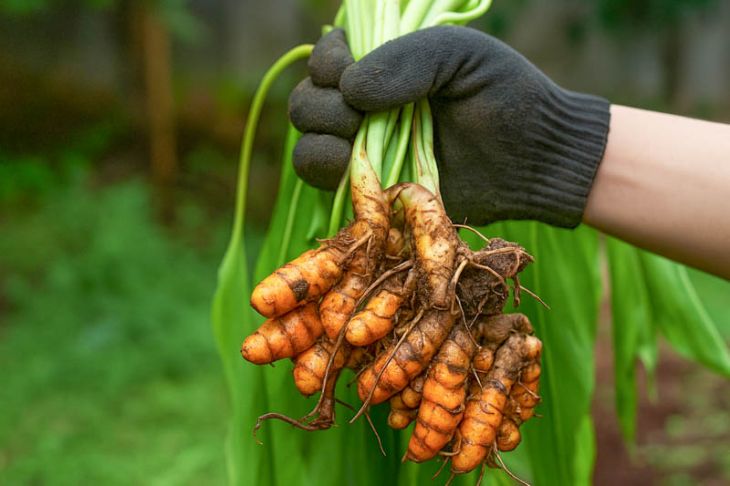
For thousands of years, long before microscopic bacteria and fungi were ever identified under a lens, healers across ancient Asia were already utilizing the bright golden roots of the turmeric plant (Curcuma longa) to treat open wounds, skin infections, and digestive ailments. Today, modern microbiology is catching up with this ancient wisdom. As our communities face the growing challenge of antimicrobial resistance—where common bugs evolve to survive standard prescription drugs—scientists are turning back to nature. Turmeric is emerging as one of the most thoroughly studied natural antibacterial and antifungal agents in the world, offering a safe, multi-targeted approach to fighting infections.
The secret to turmeric’s power lies predominantly in curcumin, the primary active compound that gives the spice its intense yellow hue. However, raw turmeric is actually a complex cocktail of beneficial oils, resins, and minor compounds that work together synergistically. Unlike synthetic antibiotics, which usually target just one specific function of a microbe, turmeric attacks harmful pathogens from multiple angles at once, making it incredibly difficult for germs to build up a resistance against it.
How Turmeric Wars Against Bacteria
Bacteria are highly adaptable organisms that can quickly multiply and cause havoc in the body. Turmeric acts as a natural shield against both Gram-positive bacteria (like Staphylococcus aureus, which often causes skin and respiratory infections) and Gram-negative bacteria (like E. coli, notorious for digestive distress).
When turmeric comes into contact with a harmful bacterial cell, it doesn't just ask it to leave; it actively disrupts its basic biological survival mechanisms.
-
Destroying the Cell Wall: The active elements in turmeric directly bind to the protective outer membrane of the bacterial cell. It weakens this wall, causing the cell to leak its vital internal fluids and eventually collapse.
-
Deactivating Bacterial Biofilms: Many dangerous bacteria protect themselves by spinning a sticky, slimy web over a surface, known as a biofilm. These biofilms act like armor, blocking out conventional antibiotics. Turmeric has been shown to penetrate and dissolve these biofilms, exposing the vulnerable bacteria underneath.
-
Halting Bacterial Replication: To multiply, bacteria must copy their DNA. Turmeric interferes with an essential filament protein known as FtsZ, which bacteria need to divide and form new cells. By freezing this process, turmeric stops the infection from spreading across tissues.
The Antifungal Frontier: Taming Yeast and Molds
Fungal infections are another major health burden, ranging from annoying superficial issues like athlete's foot and ringworm to more serious internal overgrowths like Candida albicans. Fungi are notoriously stubborn because their cellular structure is closer to human cells than bacteria are, making it tricky to design synthetic drugs that kill the fungus without causing side effects in the human body.
Turmeric provides an elegant solution to this dilemma. Its antifungal properties are remarkably potent against various strains of yeast and dermatophytes (the fungi responsible for skin, hair, and nail infections).
Turmeric tackles fungi by targeting a unique molecule in their cell membranes called ergosterol. Without ergosterol, a fungus cannot maintain its structural integrity. Turmeric restricts the production of this vital lipid, causing the fungal cells to become brittle and burst. Additionally, it prevents fungi from sprouting filaments called hyphae, which they use to root themselves deep into human tissue. By keeping the fungus in a weak, un-rooted state, our body's natural immune system can easily clear the infection out of our loop.
Practical Applications in Daily Health
Because turmeric is completely natural and generally gentle on the body, its antibacterial and antifungal properties can be utilized in several practical ways:
-
Wound Care and Healing: Applying a paste made from turmeric powder and a little water or coconut oil to minor cuts and scrapes is a time-tested way to prevent infection and accelerate skin tissue repair.
-
Oral Health Support: Swishing with a turmeric-infused mouthwash helps combat Streptococcus mutans, the primary bacteria responsible for dental plaque, cavities, and gum inflammation.
-
Skincare and Complexion: Thanks to its ability to fight acne-causing bacteria (Cutibacterium acnes) and soothe fungal flare-ups, turmeric is a popular home ingredient for calming inflamed skin and reducing breakouts.
-
Digestive Safety: Incorporating turmeric into cooking not only enhances flavor but also acts as a mild gut sanitizer, helping to keep opportunistic bacteria from overwhelming your beneficial gut microbiome.
The Bioavailability Puzzle
While turmeric is undeniably effective when applied directly to a target area—such as on a skin rash or inside the mouth—using it as an internal remedy requires a bit of strategy. The human liver is incredibly efficient at breaking down and excreting curcumin, meaning that if you simply swallow a spoonful of turmeric powder, very little of its antibacterial power will actually make it past your digestive tract and into your bloodstream.
To maximize turmeric's internal benefits, it should always be paired with healthy fats (like olive oil, ghee, or coconut milk) because curcumin is fat-soluble and dissolves much better in lipids. Even more importantly, it should be paired with black pepper. The compound piperine in black pepper acts as a temporary shield, slowing down the liver’s metabolism and allowing the body to absorb up to 2,000 percent more of turmeric's active compounds.
Embracing a Time-Tested Remedy
Turmeric is far more than a simple culinary ingredient; it is a highly sophisticated, natural pharmacy in its own right. While it should never entirely replace emergency medical care or prescribed antibiotics for severe, life-threatening infections, it serves as an exceptional tool for daily prevention, minor wound care, and gentle long-term immune support. By seamlessly blending this golden spice into our modern diets and wellness routines, we can harness thousands of years of evolutionary defense to keep our bodies strong, clean, and resilient against the microscopic invaders of the modern world.