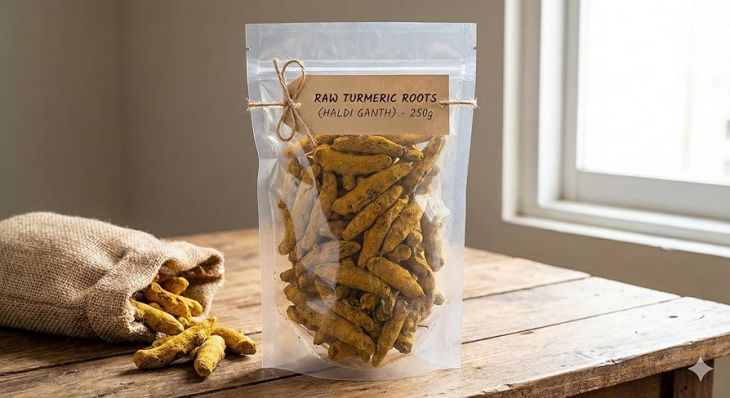
Traditional Use of Turmeric
Human health has always been a balancing act between the ancient wisdom of nature and the precise requirements of cellular biology. When we look at the mechanics of healing—whether recovering from a deep physical wound, overcoming a severe illness, or simply repairing the daily wear and tear on our tissues—two distinct forces stand out as exceptional allies. The first is turmeric, a golden botanical root used for millennia in traditional medicine systems. The second is Vitamin B12, a crucial micronutrient that acts as the invisible engine behind our body's internal rebuilding systems.
While turmeric works from the outside in by calming tissue distress and fending off microbes, Vitamin B12 works from the inside out, providing the raw genetic power needed to build new flesh. Together, they represent a perfect marriage between historical traditional remedies and modern nutritional science.
The Golden Root: Turmeric in Traditional Healing
Long before modern laboratories could isolate specific chemical compounds, ancient healers recognized that certain plants possessed an extraordinary capacity to soothe and mend the human body. In Ayurveda (the traditional medicine system of India) and Traditional Chinese Medicine (TCM), turmeric (Curcuma longa) was never viewed as a mere culinary spice. It was treated as a highly respected therapeutic agent.
In these ancient traditions, turmeric was prized for its ability to clear stagnation, improve the flow of vital energy, and purify the blood. When a person suffered an injury, local healers would grind the vibrant yellow rhizome into a thick paste and apply it directly to open wounds, burns, and skin infections. It acted as a natural, breathable bandage that kept environmental pathogens at bay while cooling the angry heat of local inflammation.
Internally, traditional cultures mixed turmeric into warm milk or teas to speed up systemic recovery, soothe the digestive tract, and support the joints. Today, we know that these historical applications were remarkably accurate; the primary active compound, curcumin, along with turmeric's natural essential oils, directly modulates the body's inflammatory response and physically disrupts the cell walls of harmful bacteria and fungi.
The Genetic Architect: Vitamin B12's Role in Rebuilding
While traditional herbs like turmeric lay down a protective perimeter around an injury, the body cannot actually stitch itself back together without a heavy influx of core nutrients. This is where the profound support of Vitamin B12 (cobalamin) becomes completely indispensable.
Vitamin B12 is an essential water-soluble vitamin that the human body cannot manufacture on its own. While it is famous for its role in neurological function and energy production, its true superpower in the healing process is its absolute necessity for DNA synthesis and cellular replication.
Every single phase of tissue repair requires a massive, rapid burst of cell division. The body must print millions of new cells to close a wound, patch a blood vessel, or rebuild a damaged muscle fiber. Before a single cell can split and multiply, it must flawlessly duplicate its entire genetic blueprint. Vitamin B12 acts as the essential foreman supervising this DNA copying process. If B12 levels are low, the cellular printing press stalls, leading to sluggish healing times, prolonged tissue vulnerability, and a significantly higher risk of chronic, unhealed wounds.
How Turmeric and Vitamin B12 Form the Ultimate Healing Synergy
When you bring the traditional protective qualities of turmeric together with the internal cellular support of Vitamin B12, you create a comprehensive environment for rapid recovery. They tackle different roadblocks across the body's natural healing timeline:
-
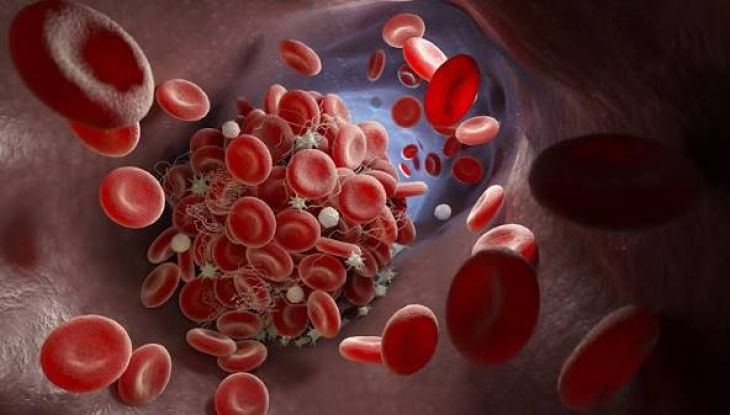
Optimizing Oxygen and Nutrient Delivery: Healing tissues have a massive appetite for oxygen. Vitamin B12 is a foundational building block for the creation of healthy, robust red blood cells. At the same time, turmeric helps maintain smooth, uninhibited blood flow by preventing excessive platelet clustering. Together, they ensure that a rich, highly oxygenated blood supply reaches the front lines of the damaged tissue.
-
Managing Toxic Accumulation: Under severe physical stress or injury, the body can build up an inflammatory amino acid called homocysteine. Vitamin B12 directly helps break down and recycle homocysteine into harmless compounds. Concurrently, turmeric’s powerful antioxidant properties neutralize harmful free radicals that cause oxidative stress, keeping the cellular environment clean and stable.
-
Balancing the Inflammatory Thermostat: Turmeric is globally renowned for its ability to suppress key inflammatory signals like NF-κB, which prevents inflammation from spinning out of control and causing excessive scarring. Meanwhile, Vitamin B12 ensures that the nervous system signals controlling tissue regeneration stay perfectly calibrated, preventing chronic nerve pain around the injured site.
Navigating the Practical Realities of Both Compounds
While both turmeric and Vitamin B12 are incredibly powerful, they each come with unique biological quirks that require a strategic approach to ensure your body actually reaps their benefits.
The primary hurdle with turmeric is bioavailability. Raw curcumin is notoriously difficult for the human digestive tract to absorb; the liver breaks it down and discards it almost immediately. To honor traditional practices and maximize its benefits, turmeric should always be consumed with a healthy fat (like coconut oil, ghee, or olive oil) because its active compounds are fat-soluble. Even more importantly, it should be paired with a pinch of black pepper. The piperine in black pepper acts as a temporary shield, blocking the liver's breakdown enzymes and boosting turmeric's absorption by up to 2,000 percent.
Vitamin B12 presents a completely different digestive challenge. To absorb B12 from your food, your stomach must produce adequate amounts of hydrochloric acid and a specialized transport protein called intrinsic factor. As people age, or if they take daily medications for acid reflux or blood sugar management, the production of these stomach juices drops dramatically. Furthermore, because natural Vitamin B12 is found almost exclusively in animal products, individuals following a strict vegan or vegetarian lifestyle must be highly intentional about utilizing high-quality supplements or fortified foods to keep their internal repair factories running smoothly.
A Holistic Blueprint for Recovery
True, lasting healing is never a single-faceted event. It is a complex, beautifully orchestrated biological symphony that requires both immediate protection from external threats and deep internal cellular fuel. Looking at wellness through a narrow lens often causes us to miss the big picture. By honoring the time-tested wisdom of traditional botanical remedies like turmeric, we can effectively manage inflammation and shield our bodies from environmental stress. By pairing that wisdom with the strict, unyielding biochemical support of essential nutrients like Vitamin B12, we provide our cells with the precise architectural tools they need to rebuild our physical structure from the absolute ground up.