How Organ-on-a-Chip Technology Is Helping Researchers Study Human Diseases?
Understanding how diseases develop inside the human body is an important part of medical research. Scientists study cells, tissues, and organs to learn how illnesses affect normal body functions and how different treatments may work. However, traditional laboratory experiments cannot always reproduce the complex conditions found inside the human body.
Organ-on-a-chip technology is offering researchers a new way to study these processes. It uses tiny devices containing living human cells to recreate selected functions of human organs. These devices can help scientists observe disease activity, examine how tissues respond to medicines, and investigate possible treatments.
What Is Organ-on-a-Chip Technology?
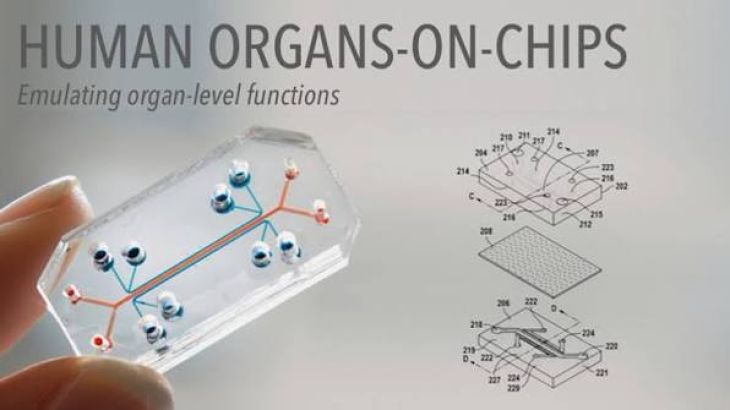
Organ-on-a-chip technology involves creating small devices that imitate specific functions of human organs. These devices are usually made from materials containing tiny channels through which fluids can flow.
Researchers place living human cells inside the device. Depending on the model, the cells may form tissue-like structures that behave in ways similar to those found in the body.
For example, a lung-on-a-chip may contain lung cells and blood vessel cells arranged around a small channel. Researchers can move air and fluid through different parts of the device to recreate selected conditions found in the lungs.
These models do not reproduce an entire human organ. Instead, they imitate particular biological functions that scientists want to study.
How Does an Organ-on-a-Chip Work?
Organ-on-a-chip devices combine living cells, small channels, and controlled fluid movement.
Using Human Cells
Scientists collect or develop human cells and place them inside the chip. These may include cells from organs such as the lungs, liver, kidneys, intestines, or heart.
In some research, scientists use induced pluripotent stem cells. These are adult cells that have been reprogrammed into a stem-cell-like state and can be developed into different cell types under suitable laboratory conditions.
Creating a Small Tissue Environment
The cells are placed in specific areas of the device to create tissue-like structures. Some chips contain membranes that separate different cell types while allowing substances to pass between them.
This arrangement can imitate certain interactions between tissues.
Moving Fluids Through Tiny Channels
Small pumps or other fluid-control systems move liquids through the channels. This can imitate selected aspects of blood flow, nutrient delivery, or fluid movement inside the body.
Observing Cellular Responses
Researchers introduce substances such as medicines, chemicals, or disease-causing agents into the device. They then observe how the cells respond.
This allows scientists to study changes in cell activity, tissue damage, inflammation, and other biological processes.
Different Types of Organ-on-a-Chip Models
Scientists are developing different chip models to investigate diseases affecting various organs.
Lung-on-a-Chip
A lung-on-a-chip can recreate selected features of the lung's air sacs and surrounding blood vessels.
Researchers use these models to study respiratory infections, inflammation, lung injury, and how airborne substances affect lung cells.
Some systems also imitate the stretching movements that occur during breathing.
Liver-on-a-Chip
The liver plays an important role in processing medicines, removing harmful substances, and managing nutrients.
Liver-on-a-chip models help researchers study how liver cells respond to drugs and chemicals. They may also help investigate liver diseases and identify signs of possible drug-related liver damage.
Heart-on-a-Chip
Heart-on-a-chip devices use living heart cells to recreate selected features of heart tissue.
Researchers can study how these cells contract and respond to medicines. These models may help investigate heart rhythm problems, tissue damage, and the possible effects of new drugs on the heart.
Kidney-on-a-Chip
Kidney-on-a-chip models can imitate certain functions of kidney tissue, including how substances move between cells and surrounding fluids.
Researchers use them to investigate kidney diseases and study whether medicines or chemicals may cause kidney damage.
Gut-on-a-Chip
Gut-on-a-chip technology recreates selected features of the intestinal environment.
It can help researchers study digestion-related processes, inflammation, intestinal infections, and interactions between intestinal cells and microorganisms.
How Is This Technology Helping Researchers Study Human Diseases?
Organ-on-a-chip technology provides a controlled environment for investigating biological processes that may be difficult to reproduce using traditional laboratory methods.
Understanding How Diseases Develop
Researchers can introduce disease-related conditions into a chip and observe how human cells respond.
For example, a lung model may be exposed to inflammatory substances to study how lung tissue reacts. A gut model may be used to investigate how certain microorganisms affect intestinal cells.
These experiments can provide information about disease mechanisms and possible treatment targets.
Studying Drug Safety
Before a medicine reaches patients, researchers need to understand its possible effects on different organs.
Liver-on-a-chip and kidney-on-a-chip models can help examine whether a drug may damage these tissues. Heart-on-a-chip systems may help researchers investigate possible effects on heart cell activity.
These models can add useful information during early drug development, although they cannot replace all required safety testing.
Exploring New Treatments
Scientists can introduce different medicines into organ-on-a-chip systems and compare how cells respond.
This may help researchers identify promising treatments for further investigation. It can also provide clues about why certain medicines work in one biological setting but not another.
Studying Human-Specific Responses
Animal models do not always respond to medicines or diseases in the same way as humans. Organ-on-a-chip devices made with human cells may help researchers investigate certain human-specific biological responses.
However, results from these devices still need to be evaluated alongside other laboratory and clinical evidence.
Can Organ-on-a-Chip Technology Reduce Animal Testing?
One important goal of this technology is to provide additional research methods that could reduce the need for some animal experiments.
Because these devices can contain human cells, they may offer more relevant information about certain human biological processes than some traditional models.
However, organ-on-a-chip technology cannot currently replace all animal studies. Complex interactions involving the immune system, hormones, metabolism, and multiple organs can be difficult to reproduce in a small device.
Researchers are therefore studying how these models can be combined with other testing methods.
What Are the Challenges of Organ-on-a-Chip Technology?
Despite its potential, this technology has several limitations.
Complexity of the human body: A small chip cannot reproduce every function and interaction found in a complete organ.
Cell quality: The behavior of cells can vary depending on their source, age, and laboratory conditions.
Standardization: Different laboratories may use different device designs and testing methods, making results difficult to compare.
Long-term testing: Keeping living cells healthy and functional over extended periods can be challenging.
Cost and technical skills: Designing, operating, and analyzing these devices may require specialized equipment and training.
Researchers are working to improve device design, cell quality, and testing standards to make results more consistent.
FAQs
What is the main purpose of organ-on-a-chip technology?
Its main purpose is to recreate selected functions of human organs in small laboratory devices so researchers can study diseases, test medicines, and investigate biological processes.
Can organ-on-a-chip devices replace animal testing?
They may reduce the need for some animal experiments, but they cannot currently replace all animal studies or other required testing methods.
Which diseases can researchers study using organ chips?
Researchers are investigating conditions such as lung infections, liver diseases, kidney damage, heart disorders, intestinal inflammation, and certain cancers.
Are organ-on-a-chip devices used to treat patients?
These devices are mainly research tools. They are not implanted into patients as replacement organs or used as routine treatments.
Conclusion
Organ-on-a-chip technology is creating new opportunities to study human diseases using tiny devices containing living human cells. By recreating selected organ functions, these systems allow researchers to examine disease processes, investigate drug safety, and explore potential treatments in controlled laboratory environments.