How Pancreatic Diseases Can Affect the Body
The pancreas is a small but highly important organ that performs essential tasks to keep the body functioning properly. Located behind the stomach, it helps digest food by producing digestive enzymes and also regulates blood sugar by releasing hormones such as insulin and glucagon. Because the pancreas supports both digestion and metabolism, problems affecting this organ can influence many parts of the body. Pancreatic diseases may develop gradually or appear suddenly, depending on the underlying condition. In many cases, the early signs are mild and easy to overlook, allowing the disease to progress before medical attention is sought. Understanding how pancreatic disorders affect overall health can encourage earlier recognition of symptoms and timely treatment. Maintaining a healthy lifestyle, attending regular health checkups, and paying attention to unusual changes in the body all play an important role in protecting pancreatic health and supporting long-term well-being.
The Pancreas Plays an Important Role in Everyday Body Functions
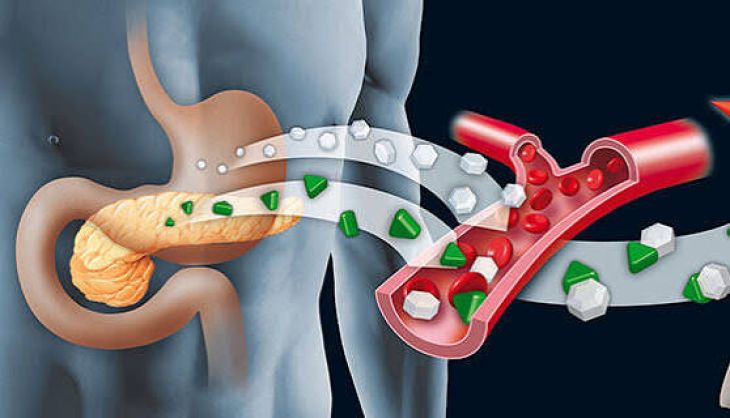
The pancreas performs several important jobs that help the body work efficiently each day. One of its primary responsibilities is producing special digestive juices that help break food into smaller particles, allowing nutrients to be absorbed and used for growth, repair, and energy. When this process does not work properly, digestion may become less efficient, making it harder for the body to obtain the nourishment it needs.
Another essential task of the pancreas is maintaining healthy blood sugar balance by releasing hormones at the right time. These hormones help move glucose into body cells, where it is used as a source of energy, while also helping prevent blood sugar from becoming too low between meals. If the pancreas is damaged or unable to perform these functions effectively, both digestion and blood sugar regulation may be affected. Because these processes support nearly every organ, changes in pancreatic function can influence overall health in many different ways.
How Pancreatic Diseases Can Influence Overall Health
Pancreatic diseases can interfere with both digestion and metabolism. People may experience ongoing abdominal pain, particularly in the upper abdomen, which sometimes spreads to the back. Other common symptoms include nausea, vomiting, bloating, poor appetite, unintended weight loss, and frequent digestive discomfort after meals.
When the pancreas cannot produce enough digestive enzymes, food may not be fully digested, reducing the body's ability to absorb essential nutrients. This may contribute to fatigue, weakness, and gradual weight loss. Conditions that affect insulin production may also lead to changes in blood sugar levels, increasing the risk of diabetes or making existing diabetes more difficult to control.
Some pancreatic diseases may also cause yellowing of the skin or eyes, dark urine, pale stools, or persistent itching if the flow of bile becomes blocked. Because these symptoms can have many different causes, proper medical evaluation is important whenever they continue or worsen.
Healthy Habits That Support Pancreatic Function
Although not every pancreatic disease can be prevented, healthy daily habits can help reduce the risk of certain conditions and support overall pancreatic health. Eating a balanced diet that includes fruits, vegetables, whole grains, legumes, lean proteins, and healthy fats provides the nutrients needed for normal body function. Limiting heavily processed foods, sugary drinks, excessive alcohol, and unhealthy fats may help reduce unnecessary stress on the pancreas.
Maintaining a healthy body weight through regular physical activity also supports better metabolic health. Drinking enough water, avoiding tobacco products, and following medical advice for conditions such as diabetes or high cholesterol may further protect pancreatic function. Routine health checkups and prompt medical attention for persistent abdominal pain or digestive symptoms can lead to earlier diagnosis and more effective treatment.
Conclusion
Protecting Pancreatic Health Supports the Whole Body
The pancreas performs essential functions that influence digestion, nutrition, and blood sugar balance every day. Diseases affecting this organ can lead to digestive problems, nutritional deficiencies, changes in blood sugar, and other health complications if left untreated. Recognising persistent symptoms early and seeking medical advice can improve treatment outcomes and reduce the risk of serious complications. By following healthy lifestyle habits, maintaining regular medical care, and paying attention to changes in the body, individuals can support pancreatic health and promote long-term overall well-being.