Understanding Insulin: How It Works and Why the Body Needs It
The human body is an extraordinarily complex biological machine that requires a continuous, tightly regulated supply of energy to sustain life. Every cellular process, from muscle contraction and brain function to tissue repair and immune defense, depends on a steady influx of glucose derived from the foods we consume. However, maintaining stable blood sugar levels is a delicate physiological balancing act. If glucose levels spike uncontrollably after a meal, it can cause cellular damage; if they drop too low, the brain is deprived of its primary fuel, leading to neurological distress. To govern this critical system, the human body relies on a powerful, peptide hormone produced by the pancreas known as insulin. Understanding how insulin works, how it facilitates cellular energy uptake, and why the body cannot survive without it provides profound insight into human metabolism and metabolic health.
The Pancreas and Beta Cell Production
To comprehend the role of insulin, one must first examine where and how it is synthesized within the body. The pancreas, situated deep in the upper abdomen, functions as both an exocrine and endocrine organ. Its endocrine functions are concentrated within microscopic clusters of specialized cells called the islets of Langerhans. Within these islets, distinct cellular populations are responsible for producing specific metabolic hormones, with beta cells accounting for the majority of the total population. These beta cells continuously monitor the concentration of glucose circulating in the bloodstream. When an individual consumes a carbohydrate-containing meal, digested food enters the bloodstream as glucose, triggering pancreatic beta cells to synthesize, store, and rapidly release insulin directly into the vascular system to manage the incoming energy surge.
Cellular Mechanics and Glucose Transporters
Once insulin enters the bloodstream, it circulates throughout the body until it encounters target cells in skeletal muscle, the liver, and adipose (fat) tissue. These target cells do not naturally absorb glucose from the blood on their own; instead, they require insulin to act as a molecular key.
-
The Insulin Receptor Complex: Insulin binds securely to specialized receptor proteins located on the outer surface of the target cell membrane. This binding event initiates a complex cascade of intracellular biochemical signals.
-
GLUT4 Translocation: This signaling cascade prompts intracellular storage vesicles containing specialized transport proteins—specifically glucose transporter type 4 (GLUT4)—to migrate toward the cell membrane and fuse with it. Once embedded in the membrane, GLUT4 creates open channels that allow glucose molecules to pass safely from the bloodstream into the interior of the cell, where they can be metabolized for immediate energy or stored for later use.
Energy Storage: Glycogenesis and Lipogenesis
Beyond simply facilitating the entry of glucose into cells for immediate energy demands, insulin acts as the body's master anabolic hormone, directing the storage of surplus energy to ensure survival between meals. When blood glucose levels exceed immediate cellular requirements, insulin actively promotes several vital storage pathways:
-
Glycogenesis in the Liver and Muscles: Insulin stimulates the liver and skeletal muscles to convert excess glucose molecules into glycogen, a complex polysaccharide that can be rapidly mobilized when energy demands rise.
-
Lipogenesis in Adipose Tissue: When glycogen storage capacities are completely full, insulin directs remaining surplus glucose into adipose tissue, where it is converted into triglycerides and stored safely as body fat.
-
Inhibition of Catabolic Pathways: Simultaneously, insulin suppresses catabolic processes, actively inhibiting glycogen breakdown (glycogenolysis) and fat breakdown (lipolysis), ensuring the body remains in an energy-storage state after eating.
The Consequences of Insulin Resistance
When the body's biological response to insulin becomes impaired—a condition known as insulin resistance—the delicate balance of energy metabolism is severely disrupted. In states of insulin resistance, target cells in muscle, liver, and fat tissue fail to respond effectively to normal circulating levels of insulin, refusing to open their GLUT4 channels properly. Recognizing that glucose is failing to enter the cells, the pancreatic beta cells compensate by working overtime, pumping out abnormally high amounts of insulin—a state called hyperinsulinemia—to force glucose into resistant tissues. Over many years, this relentless overproduction can exhaust the beta cells, leading to declining insulin secretion, rising blood sugar levels, and the eventual development of prediabetes and type 2 diabetes mellitus.
Type 1 Diabetes and Absolute Insulin Deficiency
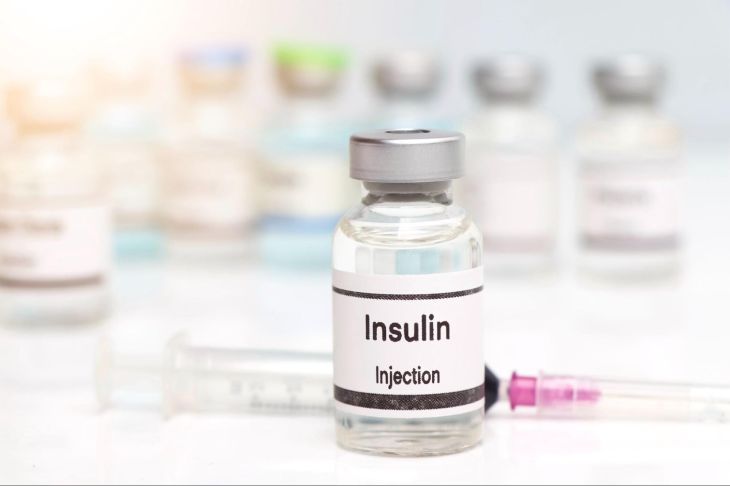
While insulin resistance underlies type 2 diabetes, a completely different pathophysiological mechanism drives type 1 diabetes, which is characterized by an absolute deficiency of the hormone. Type 1 diabetes is an autoimmune condition in which the body's own immune system mistakenly targets and destroys the insulin-producing beta cells within the pancreatic islets. Without functional beta cells, the body loses its ability to produce any endogenous insulin. Consequently, glucose accumulates massively in the bloodstream while cells starve for energy, forcing the body to break down stored fats rapidly. This process produces toxic metabolic byproducts called ketones, which can lead to a life-threatening medical emergency known as diabetic ketoacidosis (DKA), requiring lifelong external insulin replacement therapy via injections or an insulin pump to sustain life.
Clinical Monitoring and Therapeutic Management
Maintaining optimal insulin function and stable blood glucose levels is a cornerstone of preventive medicine and chronic disease management. Clinicians utilize several key diagnostic tools to assess how well the body manages insulin and glucose over time, including fasting blood glucose tests, oral glucose tolerance tests, and hemoglobin A1c blood draws, which measure average blood sugar concentrations over a three-month period. For individuals whose bodies produce insufficient insulin or suffer from advanced insulin resistance, management may involve lifestyle modifications, targeted pharmacotherapy, or exogenous insulin regimens. By carefully balancing carbohydrate intake, physical activity, and medical support, patients can stabilize metabolic health, protect vital organs, and prevent the severe long-term complications associated with chronic blood sugar dysregulation.
Conclusion
Insulin is a vital, life-sustaining hormone that orchestrates how the human body absorbs, utilizes, and stores energy from food. By examining the precise mechanics of how insulin binds to cellular receptors, triggers GLUT4 glucose transport, and drives anabolic storage pathways like glycogenesis, we gain a deep appreciation for metabolic health. Recognizing how disruptions such as insulin resistance and autoimmune beta cell destruction lead to conditions like type 2 and type 1 diabetes highlights the critical importance of early diagnosis and proper management. Through targeted clinical care, healthy lifestyle choices, and rigorous monitoring, individuals can maintain healthy glucose regulation, protect their metabolic systems, and ensure long-term physical well-being.